
 Caleb Turner
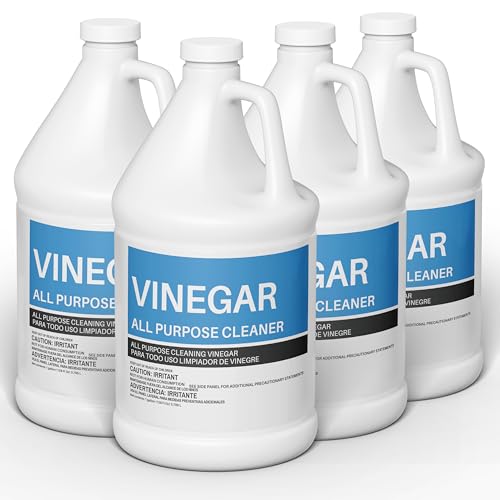
I recommend combining equal parts of a certain acidic liquid and its counterpart in powder form to create a powerful mixture for restoring the appearance of your cherished pieces. This duo not only removes stubborn stains but also leaves behind a refreshing scent.
Begin by applying the solution to a soft cloth, ensuring it’s damp but not overly wet. Gently wipe the surface in the direction of the grain, which helps avoid scratching. This method works wonders for light polish, removing built-up residue and enhancing the natural luster of the material.
If dealing with more pronounced grime, consider creating a paste using the powder and a small amount of the acidic liquid. Apply this paste to the affected areas, allowing it to sit for a few minutes before taking a damp cloth to remove it. This technique can effectively combat tougher stains without harsh chemicals.
Finally, always follow up by drying the surface thoroughly to prevent moisture absorption, which could lead to further damage. Regular maintenance using this approach will keep your treasured items looking their best for years to come.
Cleaning Technique Using Natural Ingredients
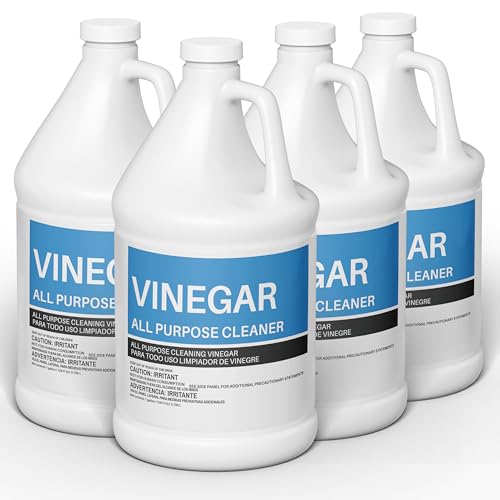
For a safe method, mix equal parts of white liquid and water in a spray container. Lightly mist the surface and utilize a microfiber cloth to gently wipe. This eliminates grime without harming the finish. Ensure a test on a small, inconspicuous area first.


Dealing with Stubborn Stains
For tougher spots, create a paste using the dry component and a small amount of water. Apply this mixture directly onto the problematic area and let it sit for approximately 10-15 minutes before wiping it away with a damp cloth. This approach lifts residues effectively.
Finishing Touches
After the initial treatment, dry the surface thoroughly using a clean towel. To enhance the sheen, consider applying a few drops of natural oil like olive or almond oil, buffing it gently for a polished look.
Choosing the Right Vinegar for Cleaning
White distilled vinegar is my go-to choice for maintenance tasks. Its high acidity effectively cuts through grime and grease, making it perfect for removal applications. I avoid using apple cider vinegar, as its residual aroma can linger and affect the scent of the space.
Concentrated Strengths
When selecting, I also consider the acidity level. A 5% acidity level works well for general duties, while a 10% vinegar can tackle more stubborn stains. Take care, as higher concentrations may damage finishes or surfaces if not diluted properly.
Flavor Versus Function
Opting for specialty varieties, like wine or malt vinegar, may not provide the same efficacy for maintenance. Their additional ingredients can complicate tasks. Therefore, I stick to plain varieties to ensure optimal performance without unnecessary complications.
Preparing a Vinegar and Water Solution
Mix equal parts of distilled alcohol liquid and filtered water. This combination creates a mild yet effective mixture for surface treatment. For best results, measure each component carefully, using a standard cup or tablespoon to ensure consistency.
Recommended Proportions
| Measurement | Distilled Alcohol Liquid | Water |
|---|---|---|
| 1 cup | 1/2 cup | 1/2 cup |
| 2 tablespoons | 1 tablespoon | 1 tablespoon |
For enhanced fragrance, consider adding a few drops of essential oil, such as lemon or lavender, to the blend. Once the mixture is ready, transfer it to a clean spray container for ease of application. This solution not only aids in maintaining surfaces but also leaves a pleasant aroma.
Before applying, do a spot test on an inconspicuous area to ensure compatibility and avoid any adverse reactions on the surface. This precaution helps preserve the beauty of the items you are caring for.
Making a Baking Soda Paste for Stains
Combine three parts of sodium bicarbonate with one part of water. This mixture should yield a thick, spreadable paste. Adjust the amount of water as necessary to achieve the right consistency.
Apply the paste directly onto the stained area, ensuring it covers the entire spot. Gently rub the mixture in circular motions using a soft cloth or sponge. This helps lift the stain without damaging the surface.
Let the paste sit for 10 to 15 minutes to allow it to penetrate and work on the discoloration. For stubborn marks, consider leaving it for a longer period, but monitor the surface to avoid any potential damage.
After the waiting period, wipe away the paste with a damp cloth, removing any residue. Rinse the area with a clean, dry cloth to finish the process and allow it to dry completely.
This method is particularly effective for treating grease, water rings, or minor scratches, restoring the aesthetic appeal of your surfaces.
Testing the Cleaning Solution on a Hidden Area
Before applying the mixture to the main surfaces, I always check the reaction by using it in an inconspicuous spot. Choose a location like the underside of a table or a concealed corner of a drawer. Apply a small amount of the solution with a soft cloth and wait for about 10-15 minutes to observe any changes.
If discoloration, warping, or any damage occurs, it’s a clear indicator to refrain from using this formula on the visible areas. In case of no adverse effects, I proceed with confidence to treat the more visible sections. Monitoring the initial reaction helps in ensuring the integrity of the finish and prevents unexpected mishaps.
Always remember to analyze the used materials, including the types of finishes on the piece. Some coatings may react differently, so being cautious ensures longevity for your items.
Cleaning Different Types of Wood Finishes
For optimal results, adjust techniques based on the finish type of your surfaces. The three main categories include urethane, lacquer, and oil finishes.
Urethane Finishes
For surfaces with urethane finishes, use a diluted solution of your chosen acidic liquid. Avoid abrasive materials to prevent damage. Apply the mixture with a soft cloth, rubbing gently to lift dirt without scratching the surface.
Lacquer Finishes
When dealing with lacquer finishes, avoid any solution that contains high acidity. Instead, opt for a mild soap mixed with water, followed by wiping with a damp cloth. After applying any cleaning agent, dry the area thoroughly to prevent potential water spots.
Oil Finishes
For oil finishes, a blend of acidic solution is effective for removing grime. Apply your mixture, let it sit for a moment, and then wipe away with a clean, dry cloth. Regular maintenance involves reapplying oil periodically to nourish the finish.
- Always test the solution on a hidden spot to ensure compatibility.
- Use separate cloths for application and drying to prevent streaks.
- For stubborn blemishes, apply a paste made from your chosen ingredient for safe removal.
Understanding the finish type is essential to prolonging the beauty and durability of your surfaces. Adjust approaches accordingly for the best maintenance outcome.
Removing Tough Stains and Scuff Marks
For persistent blemishes like dark stains or scuff marks, I apply a mixture of the solution and a little extra baking powder to form a more robust paste. This thicker blend adheres better to problem areas, allowing for targeted treatment.
Application Technique
I use my fingertip or a soft cloth to gently rub the paste onto the stain, applying light pressure in a circular motion. This technique helps lift the stain without damaging the underlying surface. I allow the paste to sit for about 10-15 minutes, ensuring it has ample time to break down the discoloration.
Final Touches
After the waiting period, I wipe away the paste using a damp cloth. This step removes residue while lifting away the stain. If the mark is still visible, repeating the process may be necessary. Finally, I finish by buffing the area with a dry, soft cloth to restore shine.
Maintaining Wood Furniture After Cleaning
Apply a quality polish or wax regularly to protect surfaces and enhance their appearance. A thin layer creates a barrier against moisture and foreign substances.
Routine Care Tips
- Dust surfaces weekly using a microfiber cloth to prevent accumulation.
- Keep furniture away from direct sunlight to prevent fading.
- Avoid placing items that may scratch or damage the surface directly on the furniture.
Addressing Environmental Factors
- Maintain a stable humidity level indoors to prevent warping.
- Use coasters under drinks to avoid moisture rings and stains.
- Be cautious with hot items; always use protectors to prevent heat damage.
Regular assessments for signs of wear can help catch issues early. Make necessary repairs promptly to extend the lifespan of your valuable pieces.
FAQ:
What is the best way to mix vinegar and baking soda for cleaning?
To clean wood furniture, combine equal parts of vinegar and baking soda. Start with about a half-cup of each in a bowl. Mix them together; the reaction will create some fizz. Allow the fizzing to settle down, then use a soft cloth to apply the mixture to the wood. This combination helps to lift dirt and stains without damaging the finish.
Is it safe to use vinegar on all types of wood furniture?
Vinegar can be safe for many types of wood finishes, but it’s always good to check first. For delicate finishes like French polish or untreated wood, you might want to avoid vinegar or dilute it further with water. Test a small, inconspicuous area before applying it to the entire piece to ensure it doesn’t react negatively.
How do I remove tough stains from wood furniture using vinegar and baking soda?
For tough stains, first apply a mixture of vinegar and baking soda directly onto the stain. Let it sit for a few minutes to work through the grime. Then, gently scrub the area with a soft cloth or sponge in the direction of the grain. Rinse with a damp cloth to remove residue and dry thoroughly to prevent moisture damage.
Can I use this cleaning method regularly on my wood furniture?
Using vinegar and baking soda occasionally is fine, but frequent use may wear down the finish over time. It’s best to reserve this method for deep cleaning or tackling tough stains, rather than routine cleaning. For regular upkeep, a damp cloth or a specialized wood cleaner may be more suitable.
What precautions should I take when cleaning wood furniture?
When cleaning wood furniture, avoid using excessive moisture, as it can warp or damage the wood. Always use a soft cloth to prevent scratches and work in the direction of the grain. Make sure to dry any surfaces thoroughly after cleaning, and ensure that the cleaning products do not contain harsh chemicals that could strip the finish.


