
 Caleb Turner

Begin with a mixture of equal parts vinegar and olive oil. Apply this blend to a soft cloth, then gently rub the affected area in a circular motion. The acidity of the vinegar works to break down the stain while the oil nourishes the surface, helping to restore shine.
If the first method doesn’t yield results, consider using a paste of baking soda and water. This gentle abrasive can effectively lift marks without scratching the underlying material. Apply the paste, let it sit for a few minutes, and then wipe it away with a damp cloth.
Another option is to use a product specifically designed for revitalizing treated surfaces. Look for a cream that matches the finish of your piece and apply it according to the manufacturer’s instructions. Such products often contain oils or waxes that can greatly enhance the appearance of your item.

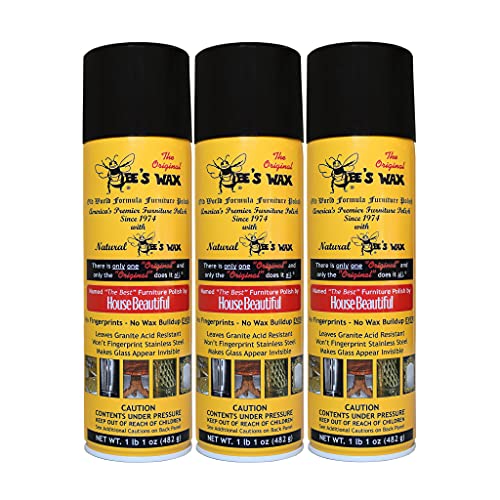

Removing Marks from Surfaces
I recommend mixing equal parts of vinegar and olive oil. Apply the mixture to a soft cloth, then gently rub the affected area in the direction of the grain. This technique not only targets blemishes but also nourishes the finish of the piece.
Using Baking Soda Paste
An alternative approach involves creating a paste with baking soda and water. Combine one tablespoon of baking soda with a few drops of water; the consistency should be thick yet spreadable. Apply this paste on the blemish using a soft cloth, and after a few minutes, wipe it off with a damp cloth. This method is particularly effective for more stubborn marks.
Applying Mayonnaise
If the above methods don’t yield results, try applying a small amount of mayonnaise directly on the spot. Let it sit for about 15-20 minutes, allowing the oils to penetrate. Wipe away the excess with a clean cloth, and any residual mark should diminish significantly.
Understanding the Causes of White Spots
To tackle the issue effectively, recognizing the sources of discoloration is crucial. Most commonly, these blemishes emerge due to moisture exposure. Water rings, often from cups or spills, infiltrate the protective coating on the surface, leading to a cloudy appearance. Similarly, hot items placed directly on the finish can cause similar damage, resulting in unsightly marks.
Humidity Interaction
High humidity can also create challenges for finishes. When moisture saturates the air, it can seep into the porous layers of the finish, appearing as dull areas. This interaction may predispose certain surfaces to develop these marks, especially in regions with fluctuating climates.
Inadequate Protection
Lack of regular maintenance can contribute to a compromised finish. Over time, wear and tear can diminish the integrity of the protective barrier, allowing elements to penetrate more easily. Knowing how to apply and renew protective layers can significantly minimize the occurrence of unsightly blemishes.
Identifying the Type of Finish on Your Furniture
Begin with conducting a simple water test. Apply a few drops of water onto the surface. If the droplets bead up, a protective layer, such as varnish or polyurethane, is likely present. If the water absorbs or leaves a ring, the finish may be a wax or oil.
Next, examine the texture. A smooth surface typically suggests a poly finish, while a more textured feel could indicate oil-based products or shellac. Use a cotton swab with denatured alcohol; if it softens or dissolves the finish, it’s likely shellac or lacquer.
Assess the sheen. High gloss usually indicates varnish or polyurethane, while a matte or satin finish could represent oil-based finishes or wax. Knowing the sheen helps narrow down the options.
Consider the color. Darker finishes can signify stained wood with a clear top coat, while lighter colors often reflect natural finishes or lighter stains. Identifying the base color aids in determining the appropriate treatment method.
Lastly, keep in mind that older pieces might use traditional finishes like shellac or lacquer, while modern items often have polyurethane. Knowing the era can guide your approach for maintenance without damage.
Gathering Necessary Cleaning Supplies
Prepare the following items before addressing the issue:
- Soft cloths or microfiber rags for gentle wiping.
- A bucket for mixing solutions.
- Natural oils like olive oil or coconut oil for treatment.
- White vinegar to help lift residues.
- Mayonnaise or a similar emollient for deeper penetration into the finish.
- Baking soda mixed with water to create a paste.
- Gentle abrasives like fine steel wool or a soft sponge for tougher cases.
- A mild dish soap for a safe cleaning solution.
- Protective gloves to shield hands from chemicals and oils.
Ensure that all supplies are ready and within reach for a smooth process.
Using the Toothpaste Method for Removal
I recommend choosing a non-gel toothpaste that contains baking soda. Apply a small amount to a soft cloth, ensuring it’s slightly damp, and gently rub the affected area in a circular motion. This technique works well because the mild abrasives in the paste help lift the marks without damaging the surface.
After working the paste into the blemish, allow it to sit for a few minutes. Then, using a clean, damp cloth, wipe away the residue. It’s crucial to follow this with a dry cloth to prevent moisture damage. For stubborn marks, repeat the process as needed.
Once the blemish disappears, consider applying a suitable wood polish or conditioner to restore shine and provide protection against future damage. Always test the toothpaste on an inconspicuous area first to ensure compatibility with the surface finish.
Applying Heat to Eliminate Water Marks
I recommend using a heat source to tackle those stubborn marks. Place a cotton cloth over the affected area, ensuring it fully covers the stain. Then, take an iron set to a low heat setting, without steam. Gently glide the iron over the cloth for about 10-15 seconds, lifting it to check progress frequently. This method works by increasing the temperature, allowing moisture to evaporate from beneath the surface.
Tips for Success
Always keep the iron moving to avoid scorching the finish. This technique is most effective on finishes such as varnish and lacquer. If the stain persists, repeat the process until the blemish disappears. Patience is key; applying too much heat at once can cause irreversible damage. After successfully removing the mark, apply a quality furniture polish to restore the sheen and protect the surface.
Safety Precautions
Use caution when applying heat. Ensure the area is well-ventilated and keep flammable objects away from the heat source. Test a small, inconspicuous area first to ensure the method does not harm the finish. If unsure, consulting a professional can save you from potential mishaps.
Utilizing Mayonnaise or Olive Oil for Cleaning
To effectively tackle blemishes on surfaces, I recommend using mayonnaise or olive oil. Both contain oils that can penetrate and moisturize the finish, aiding in the removal of these imperfections.
For mayonnaise, the process is straightforward:
- Apply a small amount onto a soft cloth.
- Gently rub the affected area, ensuring even distribution.
- Let it sit for about 10 minutes to allow the oils to lift the stain.
- Wipe off the residue with a clean cloth.
For olive oil, the approach is similar:
- Use a lint-free cloth and dampen it with olive oil.
- Rub it on the marked area, allowing the oil to soak in.
- Afterward, buff the surface with a dry cloth.
Both methods not only help in removing marks but also nourish the finish, enhancing its overall appearance. Regular maintenance using these oils can keep surfaces looking polished and well-cared-for.
Testing a Small Area Before Full Application
Always conduct a patch test before proceeding with broader treatment. This helps ensure compatibility with the existing finish. Choose an inconspicuous section, ideally where the damage is minimal or hidden.
Steps to Follow
- Clean the selected area with a gentle solution to remove any debris.
- Apply a small amount of your chosen cleaning method, such as mayonnaise or toothpaste.
- Using a soft cloth, gently rub the treatment into the surface.
Observe the Effects
Wait for several minutes to assess the reaction. Look for any changes in color or texture. If the finish remains intact and the area appears improved, it’s safe to proceed with the full application. Discontinue use immediately if any adverse reactions are noted, and consider alternative methods.
Document the results of your patch test as a reference for the remaining surfaces. This helps maintain consistency in your restoration efforts.
Preventing Future White Marks on Wooden Surfaces
To safeguard against future blemishes, I always utilize coasters for beverages. Coasters not only absorb moisture but also create a protective barrier between surfaces and liquids.
Maintaining consistent humidity levels around my furniture is crucial. I use a humidifier in dry months, ensuring that the wood does not suffer from excessive dryness that can lead to damage.
I apply a high-quality wax or polish periodically. This protective layer not only enhances the shine but also provides a shield against spills and moisture.
For everyday care, I avoid placing hot objects directly on surfaces. Using trivets or mats for hot cookware can significantly minimize risks.
Regularly cleaning with gentle, pH-balanced solutions helps keep surfaces free from residues that might cause future issues. I also opt for soft cloths to prevent scratching or damaging the finish.
I stay vigilant about direct sunlight exposure. By repositioning furniture or using curtains, I can limit harmful UV rays that may cause fading or discoloration over time.
Lastly, educating family members about the importance of careful handling is essential. This shared responsibility fosters a culture of respect for the integrity of my wooden items.
FAQ:
What causes white spots on wood furniture?
White spots on wood furniture typically occur due to moisture exposure. This can happen when hot beverages or dishes are placed directly on the surface without a coaster, or when water spills are not promptly wiped up. The moisture seeps into the finish of the wood, causing a change in its appearance. In some cases, white spots may also be a result of wax or oil build-up that has become discolored over time.
How can I remove white spots from my wooden furniture using household items?
A simple method to remove white spots involves using a mixture of equal parts vinegar and olive oil. Apply this mixture to a soft cloth, then gently rub it onto the affected area in the direction of the wood grain. The vinegar helps to break down the moisture trapped in the finish, while the oil nourishes the wood. After treating the spot, buff the area with a clean, dry cloth to restore shine. This method is gentle and can often be effective for minor spots.
Are there any commercial products recommended for cleaning white spots off wood furniture?
Yes, many commercial wood cleaners and polishes are designed to treat white spots on furniture. Look for products specifically labeled for removing stains or restoring wood finishes. These typically contain ingredients that penetrate the finish and lift stains without damaging the wood. Be sure to follow the manufacturer’s instructions for application and test the product on a small, inconspicuous area first to ensure it won’t harm the finish.
Can white spots be a sign of damage to my wood furniture?
In some cases, white spots can indicate damage to the wood’s finish. Prolonged exposure to moisture can lead to more serious issues, such as the deterioration of the finish or mold growth underneath. If the spots do not respond to cleaning and remain stubborn, it might be a sign that the finish has been compromised. In such instances, refinishing the surface may be necessary to restore its original appearance.
What preventive measures can I take to avoid white spots on my wooden furniture?
To prevent white spots on wooden furniture, always use coasters or placemats when placing hot or moist items on the surface. Regularly wax or polish the furniture to create a protective layer that can resist moisture penetration. Additionally, ensure that the furniture is kept in a controlled environment where humidity levels are stable, as extreme changes can adversely affect the wood’s condition.
What are the common causes of white spots on wood furniture?
White spots on wood furniture often occur due to moisture exposure, heat, or contact with substances such as wax, oil, or cleaning products. Moisture can penetrate the finish on the wood, resulting in a cloudy appearance. Heat from cups or plates can also cause similar white marks. Additionally, certain cleaning products may leave behind residue that can create spots on the surface.


