
 Caleb Turner
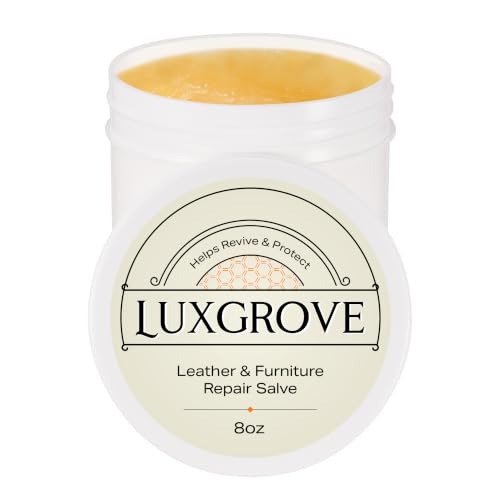
I recommend starting with a careful vacuuming session, using a soft brush attachment to remove crumbs and dust lodged in crevices. This simple step lays the groundwork for deeper treatments, ensuring you tackle the grime effectively.
Next, mix a solution of mild soap and water. Dampen a microfiber cloth with this mixture, wring it out thoroughly, and gently wipe the surface. Avoid soaking, as excess moisture can result in damage. For stubborn marks, a few drops of white vinegar can dissolve residue without harming the texture.
After cleaning, allow the material to air dry completely. I prefer applying a specialized conditioner afterward, as it replenishes oils and maintains flexibility, preventing cracking over time. Test any product on an inconspicuous area to ensure compatibility before full application.


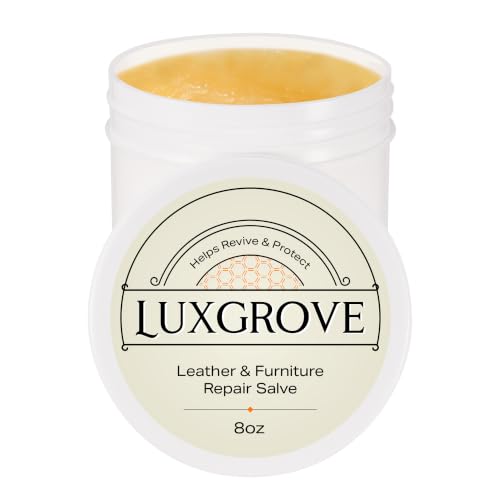
Maintenance of Stained Upholstery
For stubborn marks, I mix equal parts of distilled water and white vinegar. This solution is effective against grime without harming the initial finish. I dampen a soft cloth with the mixture and gently rub the stained area, ensuring it doesn’t soak through.
Follow-Up Care
Once the spot is treated, I wipe the area with a clean, damp cloth to remove any vinegar residue. Then, I dry the surface using a soft, dry cloth to avoid any moisture build-up.
Table of Recommended Products
| Product | Type | Use |
|---|---|---|
| Leather conditioner | Moisturizer | Prevents cracking and preserves texture |
| Gentle cleaner | Surface cleaner | Removes light stains |
| Stain remover | Spot treatment | Targets specific blemishes |
Regular inspection and prompt attention to marks can greatly prolong the life of my upholstery. I always test any product in an inconspicuous area first to ensure compatibility.
Assessing the Type of Hide for Cleaning
Recognizing the specific variety of hide is crucial for an appropriate maintenance approach. Various types possess distinct characteristics and require tailored care methods. Below is a guide to help identify the main types.
Types of Hides
| Type | Description | Care Approach |
|---|---|---|
| Full-Grain | Natural surface, retains original grain. | Use gentle cleaners, follow up with conditioner. |
| Top-Grain | Slightly sanded to remove imperfections. | Similar to full-grain, but allow for light cleaning agents. |
| Corrected-Grain | Smoothed and dyed for uniformity. | Less porous; opt for surface cleansers. |
| Bonded | Made from leftover scraps bonded together. | Avoid harsh chemicals; use mild soap solutions. |
| Suede | Soft, napped finish. | Brush lightly to remove dirt, avoid water. |
Identifying the variety not only dictates the cleaning strategy but also influences the long-term preservation of the material. It’s advisable to conduct a patch test with any new product on a hidden section before full application.
Gathering Necessary Cleaning Supplies
Begin with a range of mild soaps or detergents that are suitable for treating common stains. I prefer using a gentle liquid soap, like Castile soap, mixed with water for optimal results. Avoid harsh chemicals that can damage the surface.
Recommended Tools
A soft cloth or microfiber towel is indispensable for application and wiping down surfaces. I also keep a soft-bristled brush on hand to gently lift dirt from textured areas. Additionally, a sponge can be beneficial for deeper cleans.
Specialty Products
Consider investing in a high-quality conditioner specifically formulated for the material. This not only cleans but also nourishes, maintaining suppleness. A dedicated leather protector can safeguard against future stains. Lastly, always have a slightly damp cloth available to immediately address spills.
Gathering these supplies ensures a thorough and considerate approach to maintaining the quality and longevity of your seating.
Testing Cleaning Solutions on a Hidden Area
Before applying any solution to the entire surface, I always test it on an inconspicuous spot. This prevents potential discoloration or damage. I find a small area, such as the back or underside of a cushion, to check how the material reacts.
Steps for Testing
First, I apply a small amount of the cleaner using a soft cloth or cotton swab. I let it sit for a few minutes to see if there are any adverse reactions. Afterward, I gently wipe the area clean and allow it to dry completely. Observing any changes in texture or color is crucial.
Interpreting Results
If the test area appears unaffected, I proceed with confidence. However, if I notice fading or a sticky residue, I’ll try a different solution. Always prioritize gentle formulas to preserve the integrity of the material.
This testing method not only safeguards the item but also boosts my confidence in the cleaning process.
Removing Surface Dust and Debris
I recommend using a microfiber cloth for picking up surface particles. Its soft texture attracts dust effectively without scratching the surface.
Follow these steps for optimal results:
- Begin by ensuring the area is well-lit to identify all debris.
- Gently wipe the surfaces using the microfiber cloth, applying a light pressure.
- For intricate designs or crevices, utilize a soft-bristled brush to dislodge particles.
- Collect the debris with the microfiber cloth, ensuring it does not scatter.
- To maintain cleanliness longer, dust periodically to prevent buildup.
Additional Tips
- Avoid using paper towels, as they can cause scratches over time.
- If the cloth becomes soiled, wash it according to the care instructions before reusing.
- Consider using a vacuum with a brush attachment for a deeper clean on flat surfaces.
By maintaining regular dusting, I find it easier to keep the surfaces looking pristine and ready for deeper cleaning tasks.
Applying a Suitable Cleaner
First, I ensure to select a cleaner specifically formulated for this material. It’s critical to avoid harsh chemicals or abrasive substances that can lead to damage. Here’s how I approach it:
- Read the Label: I carefully check the product’s instructions and ingredients. A pH-balanced solution is often recommended.
- Choose Natural Options: I might opt for natural cleaners, such as a mixture of distilled water and white vinegar or a mild soap solution, ensuring they are safe.
- Look for Conditioning Benefits: Some products offer conditioning properties, which I find beneficial for maintaining suppleness.
After selecting a cleaner, I apply it as follows:
- Apply Sparingly: I use a soft cloth, dipping it into the solution lightly to avoid oversaturation.
- Work in Sections: I tackle one area at a time, gently buffing in circular motions for even coverage and cleaning.
- Wipe Away Excess: I make sure to use a clean, dry cloth to remove any leftover cleaner, preventing residue build-up.
By following these methods, I am able to effectively rejuvenate the surface while protecting it from potential harm.
Addressing Stains with Specific Techniques
For ink marks, I dab a cloth with rubbing alcohol, gently blotting to lift the stain without spreading it. For water-based stains, a mix of mild soap and water applied with a soft sponge does the trick. I follow with a dry cloth to absorb moisture.
Grease smudges require cornstarch; I sprinkle it on the affected area and let it sit for a few hours before brushing it off. For food stains, I carefully scrape off any residue with a plastic spatula and use a damp cloth to clean the spot.
For mildew, a solution of equal parts water and white vinegar helps. I spray it lightly, wipe it with a cloth, and immediately follow with a dry cloth to prevent moisture damage.
Should scratches appear, I apply a match or blend of leather balm and filler to repair the surface, allowing it to set as directed before polishing.
Wax stains require patience: I cover the area with a paper towel and use an iron on low heat to melt and absorb the wax. Always keep the iron moving to avoid heat damage.
For stubborn stains, repeating the process carefully usually yields results; I maintain a gentle approach to protect the surface.
Conditioning the Leather After Cleaning
After removing grime and buildup, my next step is to apply a conditioner that restores moisture and suppleness. I select a high-quality leather conditioner suitable for the specific type of hide in my possession.
For application, I use a soft, lint-free cloth. I pour a small amount of the product onto the cloth, ensuring not to saturate it, and then gently rub it into the surface. Always work in circular motions, allowing the conditioner to penetrate the material evenly.
Allowing Absorption
Once properly coated, I let the conditioner sit for approximately 15 to 30 minutes. This period allows the fibers to absorb the product, revitalizing the texture. Afterward, I wipe away any excess conditioner with a clean cloth to avoid a sticky residue.
Regular Maintenance
I ensure to condition on a quarterly basis, or more frequently if the item is exposed to harsh conditions. This routine keeps the surface hydrated, maintaining its resilience and appearance over time.
Using Protective Products for Future Maintenance
I recommend applying a high-quality protective cream specifically formulated for the material after completing the cleaning process. This product creates a barrier against dirt and spills, reducing the risk of permanent stains.
Consider using a water-repellent spray designed for upholstery materials. This will help prevent moisture from penetrating the surface, keeping the texture intact and prolonging its lifespan.
Reapply these protective solutions every few months or as needed, depending on usage. It’s crucial to follow the manufacturer’s guidelines for best results.
Additionally, I use microfiber cloths to polish and maintain the sheen of the surface regularly. This simple action can prevent dust accumulation and preserve the aesthetic appeal over time.
Investing in a dedicated cleaner that offers UV protection is advisable, especially for items exposed to sunlight. This will help prevent fading and discoloration.
Finally, ensure the area remains well-ventilated. Proper air circulation contributes to maintaining the integrity of the material, reducing the likelihood of mold or mildew growth.
Knowing When to Seek Professional Help
If I notice persistent stains, significant discoloration, or damage beyond my expertise, I opt for professional assistance. Specialized services are equipped with tools and products tailored for deep treatments. These experts can address issues like cracks, peeling, or extensive water damage that I might not be able to handle effectively.
Additionally, if the item has sentimental value or is a high-end piece, enlisting a professional ensures preservation. While I might feel confident in tackling minor cleaning tasks, I understand that some situations warrant expert intervention to maintain the integrity and appearance of the material.
Lastly, if I’m uncertain about the cleaning products or methods suitable for the specific type of material, it’s wise to consult a specialist. Their knowledge can help avoid potential mishaps and extend the life of cherished items.


