Caleb Turner
Utilize a mixture of mild soap and warm water to effortlessly refresh surfaces. Prepare a solution using one part soap to ten parts water. Dampen a soft cloth or sponge with the mixture and gently wipe down the area, avoiding excessive moisture that may compromise the wood’s integrity.
For tougher grime or stains, a paste made from baking soda and water can be your ally. Combine three parts baking soda with one part water to create a thick paste. Apply it directly to the affected spots, let it sit for a few minutes, and then gently scrub using a cloth. Rinse thoroughly to prevent residue buildup.
To retain luster, consider periodic applications of a specialized oil formulated for premium wood types. Apply with a clean cloth in a circular motion, ensuring an even coat. Give it time to absorb, typically around 20 minutes, and then wipe away any excess. This practice can enhance protection against future wear and tear.
Cleaning Teak Surfaces
I recommend using a gentle soap solution to remove dirt and grime. Mix mild dish soap with warm water. Use a soft cloth or sponge to apply the solution to the surface, scrubbing in the direction of the wood grain. Rinse thoroughly with clean water to avoid residue buildup.


Removing Stains
For stubborn stains, create a paste using baking soda and water. Apply it to the affected area and let it sit for about 10-15 minutes before wiping it off with a damp cloth. This can help lift discolorations without damaging the wood.
Preserving the Finish
After cleaning, consider applying a dedicated wood oil that contains UV protection. This will enhance the natural color and help maintain its appearance over time. Use a clean cloth to apply the oil evenly, and wipe off any excess to prevent a sticky residue.
Understanding the Properties of Teak Wood
The remarkable durability of this timber is due to its dense grain and high oil content. This natural oil serves as a protective barrier against moisture, preventing warping and decay. It’s also highly resistant to insects and fungi, making it an ideal choice for outdoor settings.
Color variations range from golden brown to dark chocolate, adding aesthetic appeal. Over time, exposure to UV light transforms its shade to a silvery gray patina, which many find desirable. This natural aging process shouldn’t cause concern as it enhances character rather than reduces value.
I’ve found that the smooth, naturally oily surface makes maintenance simpler compared to other woods. Its resilience ensures minimal scratches and nicks, which is beneficial for active environments.
When selecting products for upkeep, ensure they are compatible with the wood type to avoid damage. Look for solutions specifically formulated to enhance its beauty without harsh chemicals. Since the grain structure is prominent, any residue can be more visible, so gentle care is necessary.
In addition to treatment products, consider the application method. A soft cloth for oil application allows for even distribution while protecting the surface. Regular attention prevents buildup and preserves the timeless appeal of this unique material.
Choosing the Right Cleaning Solution for Teak
For optimal care of this durable hardwood, selecting the appropriate cleaning agent plays a significant role. My go-to choices include a mild soap solution, specifically designed for wood surfaces. A mixture of warm water and biodegradable soap works effectively to lift dirt and grime without causing damage.
Recommended Solutions
- Mild Soap Solution: Combine a few drops of eco-friendly dish soap with warm water. This gentle cleaner effectively removes surface filth.
- Vinegar and Water: An equal mixture of white vinegar and water can serve as a natural cleaner. It helps tackle mildew and other stains.
- Commercial Wood Cleaners: Look for products specifically designed for oil-rich woods. These solutions condition the surface while making it easier to maintain.
What to Avoid
- Harsh Chemicals: Bleach or ammonia-based cleaners can strip the natural oils, leading to drying and possible cracking.
- Scouring Pads: Abrasive materials can scratch the surface, permanently damaging its finish.
- High-pressure Washers: These tools can be overly aggressive, leaving the surface vulnerable to weathering.
Always perform a spot test when using a new product to ensure compatibility with the surface. This caution helps maintain the integrity and appearance of the wood.
Steps to Prepare Your Teak Furniture for Cleaning
Begin with removing all objects from the surface. This includes decorations, tableware, and any other items that may be placed on the wood. Use a soft cloth to dust away loose particles, ensuring the area is clear for upkeep.
Inspect for Damage
Examine the surface closely for any scratches, dents, or discoloration. Identify any problem areas that may need additional attention during the maintenance process.
Gather Necessary Tools
Collect a bucket, soft-bristle brush, and non-abrasive cloths. Ensure that you have a suitable cleaning solution ready, preferably one that is designed for this specific type of material. This preparation ensures a smooth and efficient process.
Detailed Process for Cleaning Light Stains
Begin with the preparation of a gentle solution by mixing mild dish soap with warm water. This creates a safe mixture for various surfaces.
Apply the soapy mixture to a soft cloth, ensuring it is damp but not dripping. Take care to gently rub the stained area in a circular motion, applying minimal pressure to avoid damage.
For persistent marks, I recommend a paste made from baking soda and water. Mix one part baking soda with two parts water, allowing it to form a paste. Apply this directly onto the stain and let it sit for about 10 minutes.
Afterward, use a soft cloth to wipe the paste away, then rinse the area with clean water to remove any residue. It’s crucial to dry the surface thoroughly with a clean towel to prevent moisture absorption.
Specific Stain Removers
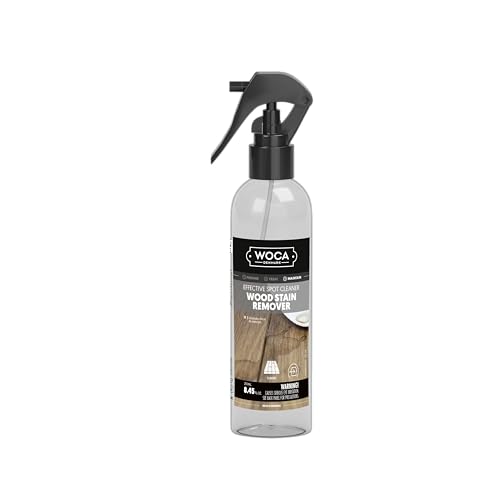
If stains persist, I utilize a commercial stain remover specifically formulated for wood. Always test any product on an inconspicuous area to ensure compatibility. Apply the stain remover as directed on the packaging, carefully following any recommended safety precautions.
Maintenance Tips
For ongoing upkeep, I maintain a regular cleaning schedule using a soft, damp cloth to minimize the buildup of dirt and grime. This proactive approach helps prevent the appearance of unsightly marks in the future.
Addressing Deeper Stains with Natural Remedies
I recommend using a mixture of baking soda and water for stubborn blemishes. Create a paste with a thick consistency and apply it directly onto the stain. Let it sit for about 15-20 minutes, then gently rub with a soft cloth in the direction of the grain. Rinse thoroughly with clean water and dry immediately.
Another option is a solution of white vinegar and olive oil. Combine equal parts and apply this blend to the affected area using a cloth. The vinegar acts as a natural cleaner, while the olive oil nourishes the wood. Wipe off excess after a few minutes.
Using Lemon Juice and Salt
For tough marks, lemon juice and salt can be quite effective. Sprinkle salt on the stain, then squeeze fresh lemon juice over it. Allow this combination to sit for about 10 minutes before gently scrubbing with a soft cloth. Rinse and dry thoroughly. This method can brighten the surface while removing unwanted spots.
Employing Hydrogen Peroxide
Hydrogen peroxide can also tackle persistent blemishes. Apply it directly to the stain with a cotton ball or soft cloth. Let it work for several minutes, then wipe with a damp cloth and dry completely. This method is particularly useful for darker stains that penetrate the wood’s surface.
Methods for Restoring Teak’s Natural Color
Begin with a thorough washing using a mixture of mild soap and warm water. This removes surface dirt and grime, making it easier to see color restoration needs. Use a soft brush to work the solution into the grain, then rinse off with clean water. Allow it to dry completely.
Next, to rejuvenate the original hue, an application of a specialized oil designed for wood can be beneficial. These oils penetrate deeply and enhance the color. Apply using a lint-free cloth, ensuring even coverage. Allow for adequate absorption time, usually around 15-30 minutes, then wipe off excess oil.
| Restoration Method | Materials Needed | Procedure |
|---|---|---|
| Soap and Water Wash | Mild soap, soft brush, warm water | Mix soap and water, scrub gently, rinse and dry. |
| Oil Application | Wood oil, lint-free cloth | Apply oil evenly, let absorb, and wipe excess. |
| Vinegar and Olive Oil Mix | Vinegar, olive oil, cloth | Blend equal parts, apply with cloth, buff to shine. |
For a natural alternative, a combination of vinegar and olive oil works wonders. Mix equal parts and apply with a cloth, buffing until the desired shine and color depth is achieved.
Using these methods routinely can significantly prolong the lifespan and visual appeal of the wood. Regular maintenance prevents fading and keeps the natural tones vibrant.
Best Practices for Maintaining Teak Furniture
I recommend regularly applying a protective finish to preserve the integrity of natural wood. A quality oil can penetrate the grain, preventing moisture absorption and minimizing damage from UV rays.
Routine Care and Cleaning
Wiping down surfaces with a soft cloth dampened with warm water and mild soap is effective for routine maintenance. This method prevents dirt buildup and keeps the wood looking fresh. Ensure that the cloth is not overly wet to avoid excess water pooling in crevices.
Seasonal Treatments
During seasonal transitions, inspect for signs of wear. Apply an oil specifically formulated for hardwoods every six months. This prevents fading and helps retain the deep golden hue of the wood.
Avoid exposing the material to harsh chemicals or abrasives, as they can damage the surface. When moving items, lift rather than drag to prevent scratches. Keeping the pieces out of direct sunlight whenever possible helps delay color changes as well.
Additionally, consider using coasters, placemats, and cloths under objects to prevent surface impressions. Embracing these simple practices ensures longevity while retaining the beauty of your cherished items.
When to Seek Professional Help for Teak Care
If my attempts to restore or maintain high-quality wood show limited success or if the problem seems beyond my capacity, I recognize the need for professional intervention.
Clear Signs for Professional Assistance
- Severe discoloration that persistent cleaning cannot remove.
- Extensive water damage or mold growth that threatens structural integrity.
- Deep scratches or gouges that require specialized repair techniques.
- Complex restoration projects involving intricate designs or finishes.
Benefits of Professional Services
- Access to expertise and specialized knowledge concerning specific wood types.
- Utilization of professional-grade products that may not be available to the public.
- Time savings by avoiding the trial-and-error method.
In my experience, consulting with experts can result in overall better care, particularly when facing challenging restoration needs. It’s prudent to invest in professional services for valuable pieces that deserve the best possible treatment.