
 Caleb Turner
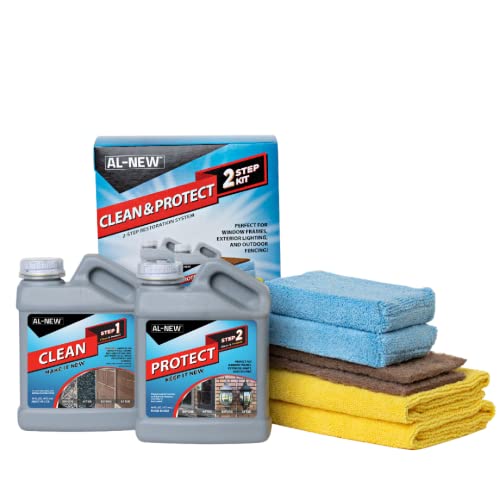
To remove grime and stains from your outdoor metal décor, I recommend using a mixture of warm water and mild soap. Dip a soft cloth or sponge into the solution and gently scrub the surfaces. This simple solution can effectively lift dirt without damaging the finish.
For tougher spots, a paste made from baking soda and water works wonders. Apply it directly to the stained areas and let it sit for about 15 minutes before wiping it away with a damp cloth. This method tackles stubborn residues and helps maintain the appearance of your items.
After cleaning, I always suggest rinsing with clean water to eliminate any soap or baking soda residue. Dry the surfaces thoroughly with a soft towel to prevent water spots and potential rusting.
Regular maintenance with this routine not only enhances the look of your outdoor seating but also extends its lifespan. A proactive approach can save you time and effort in the long run, ensuring your outdoor spaces remain inviting and functional.


Cleaning Metal Outdoor Seating
Mix warm water with mild dish soap in a bucket. Using a soft cloth or sponge, apply the solution to the surface, focusing on any areas with dirt or stains.
For stubborn spots, a mixture of baking soda and water can tackle tougher grime effectively. Gently scrub the mix onto the affected areas using a non-abrasive scrubber.
Rinse thoroughly with a hose or clean water, ensuring all soap and residue are removed. Dry with a soft towel to prevent water spots.
To maintain a glossy finish and protect against rust, apply a light coat of automotive wax or furniture polish periodically. This adds a protective barrier against environmental elements.
Inspect joints and hardware regularly for signs of wear. Tighten screws if needed and consider touching up any scratches with matching paint to prevent future corrosion.
Preparing Your Cleaning Area
To ensure a smooth process during the upkeep of outdoor seating, I clear the surrounding space. I relocate any nearby items or decorations to avoid accidental spills or damage. Using a large tarp or drop cloth underneath not only protects the surface below but also catches any debris that may fall during the task.
Gathering Supplies
I make sure to collect all necessary tools before beginning. A bucket, sponges, soft brushes, and eco-friendly cleaning agents should be within reach. If a hose is available, I connect it to facilitate rinsing during the procedure. Keeping everything organized minimizes disruption and allows for uninterrupted work flow.
Choosing the Right Time
I recommend selecting a dry, sunny day for the task. This choice helps the surfaces dry quickly and reduces the chance of streaks from lingering moisture. Avoiding windy conditions prevents dirt and dust from being blown onto freshly cleaned areas.
Gathering Necessary Cleaning Supplies
Identify the following items for thorough maintenance:
- Non-abrasive sponge or cloth
- Soft-bristle brush for hard-to-reach areas
- Mild detergent suited for metal
- Vinegar or baking soda for natural solutions
- Bucket or spray bottle for mixing solutions
- Water hose or large bowl for rinsing
- Microfiber cloth for drying surfaces
- Protective gloves to keep hands safe
- Tarps or drop cloths to protect surrounding areas
Ensure all materials are accessible before proceeding to the cleaning process.
Optional Supplies
- Rust remover if corrosion is present
- Furniture polish for a finishing touch
Having these at hand streamlines the process and enhances outcomes.
Dusting and Removing Debris
Begin with a soft, dry microfiber cloth or a duster to gently dust off any loose particles from the surfaces. This prevents scratching when applying liquid cleaners later. For stubborn dirt or larger debris, a handheld vacuum equipped with a brush attachment works well. Be thorough, paying attention to the seams and corners where dust tends to accumulate.
If outdoor items have accumulated debris such as leaves or dirt, I recommend using a soft-bristled brush to sweep these areas. Ensure to brush along natural lines of the design to avoid damage. After this, a damp cloth can help remove any residual dust that might still be present.
For stubborn spots, a mixture of water and mild soap can serve as a pre-treatment. Apply it to the area with a cloth and wait a couple of moments before wiping it away with a clean, damp towel. This approach not only preps the surfaces for deeper maintenance but also ensures that I get rid of embedded dirt effortlessly.
Choosing the Right Cleaning Solution
I recommend opting for a mixture of warm water and mild dish soap as your primary cleaning agent. This combination effectively removes grime without risking damage to the surface. For tough stains, a solution of vinegar and water can work wonders–mix equal parts for a natural alternative.
If you prefer commercial options, look for a cleaner labeled as safe for metal surfaces. Always check the label to avoid ingredients that may cause corrosion or discoloration.
For rust spots, a paste made from baking soda and water can be particularly effective. Apply it directly to the affected area, let it sit for a few minutes, then scrub gently with a soft cloth.
Avoid acidic cleaners or those with bleach, as they can lead to long-term damage. When trying any new cleaner, test it on a small, inconspicuous area first to ensure compatibility.
Applying the Cleaning Solution
I recommend pouring the chosen mixture into a spray bottle for easy application. Start by spraying a generous amount onto a small section of the metallic surface, allowing it to penetrate for several minutes. This helps to break down any stubborn grime and stains.
Using the Right Tools
Utilize a soft cloth or non-abrasive sponge to gently scrub the treated area. For more challenging spots, a soft-bristle brush works effectively without scratching the finish. Continuing this method, I work my way across the entire surface, ensuring every nook and cranny is addressed.
Rinsing Off
After scrubbing, I rinse the area thoroughly with clean water to remove any remaining solution. It’s crucial to ensure all residues are washed away to avoid potential damage or discoloration. I often use a hose for this step, but a bucket of water can suffice as well, followed by wiping down with a dry cloth to prevent water spots.
Scrubbing Stains and Tough Spots
For any persistent marks or challenging areas, I rely on a good scrubber and a focused approach. Choose a scrub pad (non-abrasive) that won’t damage the surface while still being tough on grime.
Recommended Scrubbing Technique
Wet the area with your selected cleaning solution and allow it to sit for a couple of minutes. This softens the dirt. Using the scrub pad, apply moderate pressure–avoid vigorous rubbing, as it may create scratches.
| Stain Type | Recommended Action |
|---|---|
| Rust | Use a rust remover specifically formulated for metals; scrub gently. |
| Grime | Soap and water combo typically works well; don’t forget to rinse thoroughly. |
| Bird Droppings | Wet the area and let it sit before scrubbing; always rinse afterward. |
| Corrosion | Apply a mild abrasive cleaner; scrub in a circular motion to lift the corrosion. |
Finishing Touches
After scrubbing, I always rinse the area with clean water to remove any residue. A microfiber cloth can help dry the surface and restore shine. Regular inspections for damage will help prevent build-up and keep things looking pristine.
Rinsing and Drying Your Furniture
After applying the cleaning solution, I ensure to thoroughly rinse each piece with clean water. Using a garden hose with a spray nozzle is effective for reaching all areas. It’s important to wash away any residue from the cleaner, as leftover chemicals can lead to corrosion.
I direct the water flow from the top to the bottom, allowing it to carry dirt and debris away. For intricate designs or crevices, I may use a soft sponge or cloth to wipe them clean while rinsing. This helps prevent any grime from settling back into the surface.
Drying Techniques
Once rinsed, I immediately dry the surfaces with a microfiber cloth to prevent water spots. For larger items, I allow them to air dry under the sun, ensuring they are turned occasionally for even drying. If it’s a damp day, I might opt for a fan or a dry cloth to assist the drying process.
I always double-check for any remaining moisture in seams or joints, as trapped water can contribute to rusting. By taking these steps, I maintain the appearance and durability of my outdoor seating.
Protecting Against Future Rust and Grime
To prevent corrosion and buildup, applying a protective barrier after maintenance is key. I recommend using a clear sealant or wax designed for metal surfaces. This will create a shield against moisture and dirt.
- Choose a sealant specifically formulated for outdoor metal applications.
- Follow the manufacturer’s instructions for application to ensure proper coverage.
- Reapply the sealant every few months, especially if exposed to harsh weather.
Regular inspections can help identify early signs of oxidation. I check all components periodically to catch issues before they escalate. If spots of rust appear, address them immediately with fine sandpaper or a rust-inhibiting primer.
- Lightly sand the affected area until smooth.
- Apply rust-inhibiting primer to create a protective layer.
- Finish with a matching topcoat for a consistent look.
Consider storing items in a dry area when not in use. If outdoor space is limited, invest in heavy-duty covers that resist moisture. Ensure proper ventilation to avoid humidity buildup.
For ongoing maintenance, a bi-weekly gentle wash will keep surfaces looking fresh. Regularly remove debris to prevent mold and mildew growth, especially in more humid environments.


