
 Caleb Turner
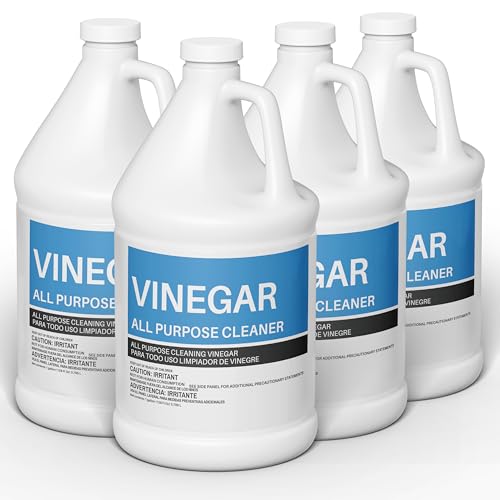
To tackle that persistent odor on your soft surfaces, I recommend mixing a solution of one cup of white vinegar with two cups of water. Dampen a clean cloth with this mixture and gently blot the affected areas. Avoid soaking the fabric; working in small sections is key.
After applying the vinegar solution, it’s essential to follow up with a baking soda treatment. Sprinkle a generous amount over the areas you’ve just treated. Let it sit for several hours or, ideally, overnight. This step not only helps neutralize lingering aromas but also absorbs moisture.
Once the time is up, vacuum the baking soda thoroughly. You’ll notice a significant reduction in the unpleasant scent. If the odor persists, repeating the process a couple of times should lead to even better results. Maintaining proper ventilation in the space will further expedite the elimination of unwanted scents.
Restoration Techniques for Odor Removal
I recommend mixing a solution with equal parts of white vinegar and water. Use a clean cloth to apply this mixture onto affected surfaces, ensuring thorough saturation. Allow it to sit for about 10 minutes before wiping with a damp cloth to neutralize the unwanted odor. You might need to repeat this process for persistent issues.
Employing Baking Soda
Sprinkle baking soda generously on the contaminated areas, making sure to cover every spot. Let it sit for several hours–or preferably overnight–to absorb the odor. Afterward, vacuum the residue completely, which should help eliminate lingering scents.


Enzymatic Cleaners
Consider using enzymatic cleaners specifically designed for odor breakdown. Apply according to the manufacturer’s instructions, focusing on spots where the odor is most potent. These cleaners break down compounds at a molecular level, providing a deep cleanse that can be particularly effective.
Identify the Type of Furniture Affected
First, I assess the materials involved. Different substances react uniquely to odors, which influences my approach. For wooden items, I note if they have a sealant; that can trap scents more effectively. Upholstered pieces require special attention since fabric fibers can absorb odors deeply.
Next, I pay close attention to any cushions and coverings. Synthetic fibers often hold onto residues differently than natural materials. I consider the structure of each item too. A solid surface may allow for easier remediation compared to intricate designs that can harbor lingering particles.
If there are textiles, I examine any detachable parts. Removable covers can be washed separately, making the process more manageable. For built-in elements, I prepare for a more thorough treatment to penetrate layers where odors may linger.
Lastly, I think about the furniture’s exposure level. An item in a frequently used area might need more intensive treatment than something situated in a less trafficked space. Understanding these details helps tailor my strategy effectively.
Gather Necessary Cleaning Supplies
I recommend collecting specific items to tackle the unwanted odor effectively. Start with white vinegar, which acts as a neutralizer. Baking soda is also useful, as it absorbs unpleasant odors. A mixture of hydrogen peroxide and dish soap can break down residues. Ensure you have a spray bottle for easy application.
Tools and Absorbents
Include microfiber cloths or sponges for applying solutions and wiping surfaces. A scrub brush may be necessary for textured areas. Additionally, odor-absorbing agents like activated charcoal or coffee grounds can help eliminate persistent scents.
Protective Gear
Wear gloves to protect your hands from chemical irritants. A mask or face covering will shield you from strong odors while working. Have trash bags ready for disposing of any treated materials, ensuring a clean workspace during the process.
Test Cleaning Solutions on a Hidden Area
Before applying any mixture on visible surfaces, I recommend testing it on a discreet section. This prevents potential damage or discoloration to the main areas. Select a small, inconspicuous spot such as the bottom of a leg or the back of a drawer. Apply a small amount of the solution using a clean cloth or sponge.
After a few minutes, check for any adverse reactions. If there’s no discoloration or damage, it’s likely safe to proceed. If any issues arise, I’d suggest tweaking the formula or trying a different mixture. This step ensures that the integrity of the items remains intact while effectively addressing the unwanted odor.
Observing the Results
Allow the tested area to dry completely before assessing the outcome. If the spot looks good and the scent diminishes, then the solution can be used on larger sections. In my experience, patience during this phase helps avoid costly mistakes.
Adjusting the Approach
Should the initial test fail, consider changing the concentration or exploring alternative cleaning agents. There are many options available, so finding the right one might require a bit of trial and error.
Apply Vinegar Solution to Remove Odor
I mixed equal parts of white vinegar and water in a spray bottle. This natural combination targets stubborn odors effectively.
Here’s how I applied it:
- Shake the bottle gently to blend the solution well.
- Lightly mist the affected areas without soaking the fabric or wood.
- Allow the solution to sit for about 15 minutes, letting the vinegar work on the particles.
- Wipe the surface with a clean cloth to absorb any excess moisture and odor.
- If necessary, repeat the application for lingering aromas.
Afterward, I aired out the space to eliminate any remaining vinegar scent, freshening up the atmosphere.
Additional Tips for Best Results
- For upholstered surfaces, test the vinegar solution on a hidden spot first to ensure it doesn’t discolor.
- Combine baking soda with vinegar for stubborn residues; sprinkle the baking soda, spray with vinegar, then scrub gently.
This approach has consistently helped me restore freshness to my belongings.
Use Baking Soda for Extra Odor Absorption
Baking soda is highly effective in absorbing unpleasant scents. After applying a vinegar solution, sprinkle a generous amount of baking soda over the affected surface. Ensure even coverage for optimum results.
Steps to Enhance Odor Removal
- Let the baking soda sit for several hours, or overnight if possible. This allows it to penetrate the material and absorb lingering odors.
- After the waiting period, vacuum thoroughly to remove the baking soda. Use a vacuum with a good filtration system to capture any tiny particles.
- If needed, repeat the process for stubborn odors. Fresh applications may be necessary to achieve complete neutrality.
For stubborn areas, create a paste with a small amount of water and baking soda. Apply this paste to localized spots, then let it dry before vacuuming. This method works well for fabric surfaces where odors linger.
Maintaining Freshness
- Regularly sprinkle baking soda on furniture as a preventive measure. This can help keep surfaces fresher over time.
- Consider mixing baking soda with essential oils for a pleasant scent while retaining its absorptive properties.
Taking these steps can significantly enhance the elimination of undesired odors, ensuring a cleaner environment.
Consider Using Commercial Odor Eliminators
For persistent odors that home remedies fail to neutralize, I turn to specialized products. Many commercial odor eliminators contain active ingredients specifically designed to tackle strong residues that natural solutions often miss. Brands like OdorBan or Nature’s Miracle offer sprays and solutions that can effectively penetrate and deodorize various surfaces.
When selecting a product, I ensure it is suitable for the material I’m treating, whether it’s upholstery, wood, or synthetic fabrics. It’s advisable to follow the manufacturer’s instructions closely for optimal outcomes. I apply the solution generously, allowing it to sit for the recommended time, ensuring that the odor neutralizers can work effectively.
In my experience, the use of enzymatic cleaners has proven beneficial, particularly those formulated for pet odors. These products break down the organic compounds responsible for offensive scents. After application, I always ventilate the area well to facilitate any leftover chemicals dissipation.
Finally, using one of these products can save significant effort and time on my part, providing a more immediate solution to stubborn odors.
Repeat Cleaning Process if Necessary
If the odor persists after the initial attempt, I repeat the cleaning process. I start with rinsing the affected area to remove any residues from previous treatments. Using a vinegar solution again can enhance the results, as it neutralizes lingering scents effectively.
Layering Techniques
I often layer different methods to tackle stubborn odors. After applying the vinegar solution, I use baking soda once more after it dries. I sprinkle it generously and let it sit for several hours or overnight. This additional step helps absorb any remaining odor compounds.
Monitor and Inspect
I keep a close eye on the furniture’s condition and test for any residual odor. If necessary, I may introduce a commercial odor eliminator. If the issue continues, I evaluate the cleaning materials used, adjusting as needed, and consider repeating the entire cleaning sequence again for thorough results.
Allow Furniture to Dry and Air Out
After applying cleaning solutions, I always ensure the affected items are well-ventilated. Placing them in an area with good airflow helps dissipate any remaining odors. I open windows and utilize fans to accelerate this process, which can significantly enhance results.
It’s vital to leave the pieces undisturbed for several hours, or ideally overnight. This allows any excess moisture to evaporate completely, reducing the chances of lingering scent. For upholstered items, I might even use absorbent materials, like towels, to soak up residual dampness faster.
Monitor Humidity Levels
I keep an eye on the humidity in the room, as higher levels can slow down the drying process. Utilizing a dehumidifier can be helpful if the environment is particularly humid. This not only aids in drying but also helps prevent any mold growth, which can complicate matters further.
Check for Residual Odors
Once the furniture is dry, I perform a sniff test to assess if the odors have been effectively removed. In the event that persistent smells remain, I might go back and repeat previous cleaning steps or consider additional treatments to ensure a fresh environment.
Prevent Future Odor Incidents
I recommend taking proactive measures to protect your belongings. First, consider using odor-repelling sprays in areas prone to unwelcome encounters. These sprays can create a barrier that helps reduce the likelihood of lingering scents.
Store items such as cushions or blankets in airtight containers when not in use. This minimizes exposure to potential odor sources and can safeguard against permeation.
Use preventative training techniques for pets, teaching them to avoid problematic areas. Training your animals to stay clear of certain zones can limit their chances of accidental encounters.
Regularly maintain your space by conducting inspections for potential problem areas. Ensure that your garden or yard is free from wildlife that can create issues.
Consider installing motion-activated lights outside to deter animals from visiting your property at night. Bright lighting can discourage wildlife behaviors that lead to unpleasant surprises.
Create a cleaning schedule to keep your surroundings fresh and minimize any chance of unexpected odors settling in. Frequent cleaning helps maintain a pleasant environment for both you and your guests.
| Tip | Description |
|---|---|
| Use Odor-Repelling Sprays | Apply sprays to vulnerable areas for protection against lingering odors. |
| Airtight Storage | Store textiles and cushions in sealed containers to avoid scent absorption. |
| Pet Training | Teach pets to avoid areas where they may encounter odor sources. |
| Regular Inspections | Check your environment regularly for potential odor-related issues. |
| Motion-Activated Lights | Install lights to deter nocturnal animals from coming close. |
| Frequent Cleaning | Establish a routine cleaning schedule to uphold a fresh atmosphere. |


