
 Caleb Turner

If you want to preserve the appearance of your engineered timber pieces, begin with a simple solution: mix equal parts of warm water and white vinegar in a spray bottle. This gentle yet effective mixture will help to eliminate grime without causing damage.
Instead of soaking the surface, lightly mist the solution onto a microfiber cloth. Wipe the surfaces carefully, following the grain, to remove any dust or smudges. For stubborn spots, allow the solution to sit for a few seconds before wiping it away.

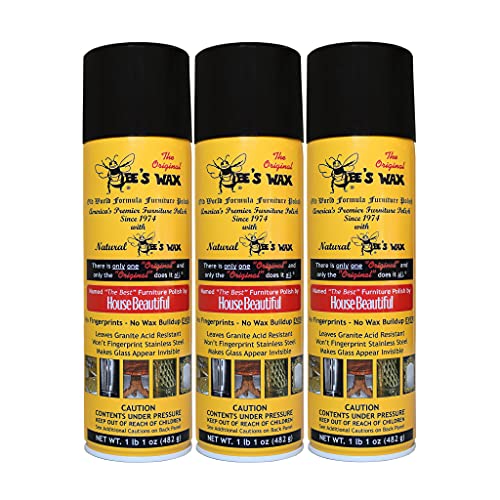
To protect the finish, apply a small amount of olive oil to a clean cloth after drying. This not only nourishes the surface but also provides a subtle shine. Avoid overly abrasive cleaners and tools, as they can scratch or dull the finish of your furnishings.
Regular maintenance is key. Dust the pieces weekly with a soft cloth to prevent buildup. Additionally, consider using coasters and placemats to shield surfaces from spills and scratches, ensuring that your treasured items remain in excellent condition for years to come.
Cleaning Techniques for Composite Material Surfaces
I recommend using a soft, damp cloth for wiping down surfaces. Microfiber is ideal as it traps dust effectively without scratching. For stubborn marks, a mixture of warm water and mild dish soap works well. Dampen the cloth in the solution, wring it out, and gently rub the affected area.
Dealing with Stains
For tougher stains, I apply a paste of baking soda and water directly onto the stain. Allow it to sit for about 15 minutes before wiping it off with a clean, damp cloth. This method lifts discoloration without damaging the finish.
Protective Measures
To maintain appearance, I suggest regularly applying a furniture polish specifically designed for synthetic surfaces. Use a soft cloth to buff the area after applying the polish, ensuring an even finish and helping to prevent scratches.
Always ensure that no excess moisture is left on the surface; it can seep into seams and cause damage over time. For long-lasting care, keep items that may spill away from these surfaces, and regularly dust to prevent buildup.
Identify the Type of Finish on Your Furniture
Before proceeding with any cleaning method, I assess the finish on my piece to ensure that the right materials are used. Identifying the finish helps me avoid damaging the surface.
Common Types of Finishes
- Lacquer: Often gives a glossy appearance and dries quickly. To test, apply a small amount of water; if it beads up, it’s likely lacquered.
- Varnish: Durable and resistant to heat and moisture. It provides a rich, amber hue. Rubbing with a soft cloth should reveal a shiny surface if varnished.
- Shellac: A natural finish with a warm glow. I check for a slightly sticky feel when touched; that generally indicates shellac.
- Painted Finish: There may be several layers that can easily be scratched. If the surface has a color that seems consistent throughout, it’s probably paint.
- Oil: Emphasizes the grain and feels soft to the touch. When I apply a drop of water and it soaks in, it generally signifies an oiled finish.
Testing the Finish
To further verify, I use a cotton ball and a small amount of denatured alcohol or acetone on a hidden area. If the finish comes off on the cotton, it’s likely shellac or lacquer. If nothing happens, it might be varnished or oiled.
By correctly identifying the finish, I can choose the appropriate products and methods for care, prolonging the life of my treasured pieces.
Gather Necessary Cleaning Supplies
I recommend preparing a selection of specific items that will facilitate the maintenance of your laminated pieces. Start with a microfiber cloth; this is ideal for dusting without scratching surfaces. A gentle all-purpose cleaner, preferably one that is safe for delicate finishes, will be effective in removing grime. Additionally, having a soft sponge on hand can assist with tougher spots where the cloth alone may not suffice.
Additional Tools
Consider including a sponge with a non-abrasive side for those stubborn areas, as well as a bucket or bowl to mix cleaning solutions if necessary. A small brush, such as a toothbrush, can be useful for getting into crevices. Don’t forget about gloves; they protect your hands from harsh chemicals and help maintain a better grip while working with cleaners.
Bonus Items
If your pieces require polishing, a furniture polish specifically formulated for synthetic materials is advisable. Lastly, having a lint-free towel will assist in drying surfaces without leaving fibers behind after wiping. With these supplies gathered, you’ll be well-prepared to tackle any maintenance tasks thoughtfully.
Dusting Techniques for Pressed Wood
Use a microfiber cloth for an optimal dusting experience, as these fibers trap dust effectively without scratching the surface. I recommend lightly dampening the cloth with water or a gentle cleaning solution to enhance dust adhesion and avoid pushing particles around.
Top-Down Approach
Begin dusting from the top surfaces and work your way down. This method prevents dust from falling onto already cleaned areas. Pay special attention to shelves, the top of cabinets, and other elevated surfaces where dust tends to accumulate.
Detailing Corners and Crevices
For tight spaces and intricate details, utilize a soft-bristled brush or a cotton swab dipped in the cleaning solution. This will help remove dust from hard-to-reach areas without causing damage. Ensure you regularly check these spots, as they can harbor more dust than flat surfaces.
Removing Stains from Pressed Wood Surfaces
For tackling stains effectively, I recommend applying a gentle cleaning solution. Mix equal parts of vinegar and water in a spray bottle.
Follow these steps to eliminate stains from surfaces:
- Lightly spray the solution onto the stained area.
- Use a soft cloth or sponge to blot the stain, avoiding vigorous scrubbing to prevent damage.
- For tougher marks, sprinkle baking soda on the damp cloth before blotting the stain.
- Rinse the area with a clean damp cloth to remove any residue from the solution.
- Dry the surface with a soft towel to prevent moisture absorption.
In cases of grease stains, sprinkle cornstarch on the spot to absorb excess oil. Leave it for about 10 minutes before gently brushing it off and following up with the vinegar solution.
Handling Ink and Water Stains
Ink stains can be particularly stubborn. To address this, I pour a small amount of rubbing alcohol onto a cotton ball and gently dab the stain, avoiding saturation of the surrounding area. Blot with a clean, dry cloth afterward.
Water stains require immediate action. I recommend placing a clean, dry cloth over the stain and applying a warm iron for a few seconds, checking frequently to avoid burns. This method can lift the moisture trapped in the surface.
Final Tips
Always test any solution on an inconspicuous area first. Stains can vary significantly, and some might require specific treatments.
Regular upkeep can help prevent stains from becoming embedded. Keeping areas dust-free helps maintain the appearance and longevity of these surfaces.
Avoiding Damage during the Cleaning Process
Always conduct a test in an inconspicuous area before applying any solution. This precaution helps detect any potential adverse reactions with the surface. Once confirmed, use a soft, lint-free cloth to apply the cleaning product gently.
Recommended Practices
Avoid using abrasive materials, as they can scratch the surface. Instead, opt for microfiber cloths that trap dust and dirt without risk of damage.
Never saturate the material with water or cleaning agents. Excess moisture can lead to warping or swelling. Lightly dampen the cloth, making sure it’s just moist and not dripping. This minimizes the risk of damage.
Common Mistakes to Avoid
| Action | Consequence |
|---|---|
| Using harsh chemicals | May strip finishes and damage surfaces |
| Applying excessive force while wiping | Can cause scratches and remove the finish |
| Leaving solutions on for too long | May lead to discoloration or damage |
Always wipe in the direction of the grain if visible, to preserve the natural look. For touch-ups or deeper issues, seek professional advice rather than attempting aggressive methods. Taking these steps ensures longevity and maintains aesthetic appeal.
Regular Maintenance Tips for Longevity
I regularly check for dust accumulation and wipe surfaces with a soft, dry cloth to maintain the finish and prevent build-up. Using microfiber cloths minimizes the risk of scratches and ensures a gentle touch on the surface.
Conditioning Surfaces
Applying a suitable conditioner every few months helps maintain moisture levels, preventing the material from drying out and cracking. Look for products specifically formulated for composite surfaces to avoid chemical damage.
Preventing Wear and Tear
I place coasters under drinks and avoid setting hot items directly on surfaces to reduce heat damage. Additionally, using felt pads under objects can minimize scratches and dents. Keeping humidity levels stable helps prevent warping, so I use a humidifier during dry seasons.


