
 Caleb Turner

Begin with a simple mixture of warm water and mild soap. Use a soft cloth or sponge to gently scrub the surfaces of your seating arrangements. This method effectively detaches unwanted debris without damaging the material.
For stubborn residues, I suggest employing a gentle scrub brush. This will assist in lifting any remaining particles that might cling to textured surfaces. Rinse with clean water to ensure no soap residue remains, which can attract more dirt.


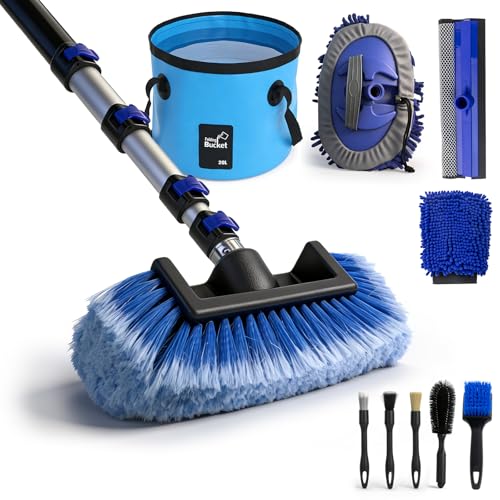

After your initial wash, dry the surfaces thoroughly with a clean towel. This helps prevent moisture accumulation, which can lead to other issues such as mold or mildew. Regular maintenance will keep your outdoor seating looking fresh throughout the season.
Cleaning Techniques for Outdoor Seating
Begin with a soft brush or broom to gently dislodge any accumulated particles from the surfaces. Working from the top down ensures that debris is removed efficiently without redistributing it.
Prepare a solution using lukewarm water mixed with a mild detergent. Using a microfiber cloth or soft sponge, apply this mixture to the affected areas. Gentle scrubbing will lift stubborn residues without damaging the finish.
For stubborn stains, consider creating a paste from baking soda and water. Apply it directly to the spot, let it sit for a few minutes, then scrub gently before rinsing thoroughly.
Rinse surfaces with clean water from a hose or bucket, ensuring that all soap residues are completely removed. Thorough rinsing prevents buildup and preserves the appearance of the surfaces.
Dry with a clean towel or allow to air dry in a shaded area to avoid sun damage. Regular maintenance can help diminish the need for intensive cleaning sessions.
Use the following table for recommended cleaning products:
| Product Type | Application |
|---|---|
| Mild Detergent | General cleaning solution |
| Baking Soda | Stain removal |
| Microfiber Cloth | Surface wipe |
| Soft Brush | Debris removal |
Performing these tasks regularly can lead to a more pleasant outdoor experience and prolong the lifespan of your items. Prioritize a specific cleaning schedule to maintain their condition throughout the seasons.
Understanding Pollen Types and Seasons
Identifying the type of airborne allergens in your environment is crucial for effective maintenance. Common types include tree, grass, and weed varieties, each having distinct seasons. Trees typically release their spores in early spring, followed by grasses in late spring to early summer, and weeds from late summer to fall.
Tree Allergens
Species such as oak, birch, and cedar are significant contributors. Oak starts to produce light yellow-green grains as early as March. Knowing this helps me anticipate cleaning schedules after tree pollination peaks.
Grass and Weed Influences
Grass allergens peak from late May until mid-June. I focus on cleaning during this time to reduce any buildup. Weeds like ragweed become a concern in late summer, particularly around late July and August, requiring attention towards the end of summer.
Awareness of these timelines allows me to strategize upkeep effectively, ensuring outdoor spaces remain enjoyable despite natural irritants.
Gathering Necessary Cleaning Supplies
I recommend collecting the right tools before tackling the task. A soft-bristle brush helps dislodge any stuck particles without scratching surfaces. A microfiber cloth is ideal for gentle wiping to prevent streaks and residue.
A bucket filled with warm water mixed with a mild detergent ensures a thorough wash. For stubborn spots, a specialized outdoor cleaner may be beneficial. Don’t forget to grab a garden hose fitted with a spray nozzle for rinsing purposes.
Protective gloves should be on hand to shield your skin from cleaning agents and dirt. A face mask is also wise, especially during high allergen seasons, minimizing inhalation of unwanted irritants.
A broom or leaf blower can help remove loose debris beforehand, making the main task easier and more efficient. Lastly, a sturdy trash bag is essential for disposing of debris collected during the process.
Preparing Deck Furniture for Cleaning
The first step involves removing any cushions or loose items from the seating. This prevents potential damage and allows for a thorough approach to the surfaces underneath. Make sure to store cushions in a dry place to avoid moisture buildup.
Next, inspect the material of the seating and tables. Certain fabrics and woods may require specific treatment. Check for any signs of wear or damage to address potential issues before proceeding with maintenance. A soft brush can help dislodge loose dirt and debris.
Ensure the area surrounding the seating is clear, enabling easy movement during the process. Set aside any decorative items or planters that might obstruct access to surfaces requiring attention.
Lastly, consider the weather conditions. A dry, overcast day is ideal for this task. Avoid cleaning during rain or high winds to achieve optimal results.
Effective Techniques for Removing Pollen
I recommend using a soft-bristled brush to gently sweep away the yellow dust from surfaces. This method prevents scratching and is particularly handy on textured materials.
For stubborn residue, a mixture of warm water and mild dish soap can work wonders. Dampen a cloth with this solution and wipe the surfaces, then rinse with clean water. Using a garden hose on low pressure can effectively wash away remaining particles.
Utilizing a Vacuum with a HEPA Filter
A vacuum cleaner equipped with a HEPA filter is excellent for trapping fine particles. Use the upholstery attachment for optimal results. This technique is particularly important for textured fabrics, where traditional methods may fall short.
Choosing the Right Time for Maintenance
Select early mornings or late afternoons for cleaning tasks, as pollen counts tend to be lower. Aim to perform this upkeep after rain, as it can help settle airborne particles and make removal easier.
Regular maintenance, including periodic wipe-downs and vacuuming, can significantly reduce accumulation, ensuring outdoor spaces remain welcoming and pristine.
Using Water and Soap Solutions Safely
Mix a gentle liquid soap with lukewarm water to create a cleaning solution. I recommend combining about two tablespoons of soap per gallon of water for optimal results. Avoid using harsh chemicals, as they may damage surfaces over time.
Apply the mixture using a soft cloth or sponge to prevent scratching. I find it best to test the solution on a small, inconspicuous area first. This step ensures compatibility with the material before proceeding with larger surfaces.
Rinse the area thoroughly afterward to eliminate any soap residue that might attract dirt or grime later on. Use a hose or bucket of clean water, ensuring all soapy remnants are washed away.
Always wear gloves while handling cleaning solutions to protect my skin. Additionally, consider wearing a mask if you’re sensitive to smells or airborne irritants that could occur during the process.
Lastly, work during cooler hours of the day to avoid rapid evaporation of the solution, allowing it enough time to be effective against contaminants without compromising safety.
Cleaning Techniques for Various Materials: Wood, Metal, and Plastic
Begin with the appropriate method for each type of surface. The approach can differ significantly based on the material, requiring tailored strategies to ensure optimal results without damage.
Wood
For wooden surfaces, focus on gentle methods to preserve the finish. Follow these steps:
- Use a soft broom or microfiber cloth to remove loose debris.
- Prepare a solution of warm water and mild dish soap.
- Wipe the surface with a soft sponge, ensuring to follow the wood grain.
- Rinse with clean water, then dry with a towel to prevent moisture absorption.
- If necessary, apply a wood conditioner or sealer after drying to enhance durability.
Metal
For metal surfaces, aim for non-abrasive techniques to avoid scratches:
- Start with a dry microfiber cloth to remove loose materials.
- Mix vinegar and water in equal parts to create an effective solution.
- Apply the mixture using a soft cloth, wiping thoroughly to remove residues.
- Rinse the area with fresh water to eliminate any cleaning solution.
- Dry with a clean towel to prevent rust formation.
Plastic
Plastic surfaces are generally resilient, but care still matters:
- Brush off any loose particles with a soft broom or cloth.
- Combine water and mild soap, similar to the wood solution.
- Gently scrub with a soft sponge, paying attention to textured areas where debris may collect.
- Rinse thoroughly to remove all soap, finishing with a towel dry.
- For stubborn stains, consider using a mixture of baking soda and water to form a paste, applying it to the affected area before scrubbing.
Utilizing a Vacuum for Pollen Removal
For optimal results in eliminating allergens from outdoor seating, I recommend using a vacuum specifically designed for indoor and outdoor surfaces. Begin by selecting a vacuum with a HEPA filter to ensure maximum capture of fine particles.
Preparation Steps
Before starting, check that the vacuum’s attachments are clean and suited for soft materials and hard surfaces alike. Utilize a brush nozzle for fabric and cushions to gently lift deposits, while a crevice attachment can efficiently reach tight spots between slats or in corners.
Vacuuming Technique
While vacuuming, move systematically across each piece. I suggest starting from the top of a chair or table and working downwards. This method prevents debris from falling onto areas already addressed. After vacuuming, empty the dust container or replace the bag immediately to prevent the allergens from re-entering the surroundings.
For a thorough clean, consider doing this on a dry day when the wind is minimal to avoid re-distribution of the allergens during the process.
Completing this task regularly will make maintenance easier and reduce the accumulation of these unwanted substances.
Post-Cleaning Care and Maintenance
After tidying up, I focus on preserving the condition of my outdoor items. Regular inspections are key to identifying any damage or wear. I suggest setting a routine schedule for maintenance, ideally monthly, especially during peak allergy seasons.
- Reapply Protective Coatings: For wood surfaces, a protective sealant can prevent staining and water damage. I pick a warm, dry day and apply a fresh coat annually.
- Store Properly: When not in use, I store lightweight pieces indoors or cover them with breathable tarps to avoid moisture buildup and grime accumulation.
- Routine Dusting: Using a soft cloth, I dust surfaces weekly to minimize buildup. This keeps items looking fresh and extends their lifespan.
- Monitor for Mold: I check for signs of mold or mildew, especially in humid environments. A vinegar solution is effective for treatment if I spot any.
By maintaining a consistent care routine, I ensure that outdoor pieces remain inviting and in excellent condition, ready for gatherings or quiet evenings outside.
Preventative Measures Against Pollen Accumulation
I recommend investing in furniture covers. They provide a protective layer that prevents airborne particles from settling on your items. Opt for breathable fabrics to avoid moisture buildup.
Regular Maintenance Schedule
Establish a routine to remove debris and buildup. A quick wipe-down using a soft cloth or duster can keep surfaces clearer, reducing the frequency of more intensive cleaning tasks.
Strategic Placement
Consider your setup. Placing items under shelter or in a less exposed area of your patio can minimize the amount of dust and irritants they attract. Positioning near shrubs or trees may also help; just ensure they aren’t shedding more than necessary.
Using greenery strategically, such as placing planters with dense foliage, can act as a natural barrier. This helps catch particles before they reach delicate surfaces.
Additionally, regularly trimming any nearby trees or shrubs will reduce the amount of material that can drift onto your outdoor setup. Staying proactive will save effort in the long run.
FAQ:
What is the best way to remove pollen from my deck furniture?
The most effective method to clean pollen off deck furniture involves several steps. Begin by using a soft-bristle brush or a dry cloth to gently sweep or wipe away loose pollen. Next, mix mild dish soap with warm water in a bucket. Dampen a cloth or sponge with this soapy water and wipe down the surfaces of your furniture. Rinse thoroughly with a hose to remove any soap residue. For stubborn spots, a mixture of vinegar and water can help break down the pollen further. Finally, allow the furniture to dry completely before using it again.
How often should I clean pollen off my outdoor furniture?
The frequency of cleaning pollen off your outdoor furniture largely depends on your local pollen counts and the type of plants around your area. If you live in a heavily wooded area or near flowering plants, you may need to clean your furniture weekly during peak pollen season. In regions with less pollen, a bi-weekly or monthly cleaning might suffice. Regular cleaning helps maintain the appearance of your furniture and prevents the buildup of allergens.
Can I use pressure washing to clean pollen off my deck furniture?
Using a pressure washer on delicate deck furniture is not recommended, as the force can damage the finish or structure of the furniture. Instead, stick to softer cleaning methods like wiping or using a low-pressure hose. If your furniture is made of durable materials like metal or certain plastics, a pressure washer on a low setting might be acceptable, but always test a small, inconspicuous area first to ensure no damage occurs.
What cleaning products are safe to use on outdoor furniture to remove pollen?
For removing pollen from outdoor furniture, mild dish soap and water are usually the safest option. You can also use a solution of vinegar and water for more stubborn pollen deposits. Always avoid harsh chemicals like bleach or ammonia, as they can damage the finishes of your furniture. Consider checking for any manufacturer recommendations on cleaning products specific to your furniture type to ensure that you do not void any warranties.
Does pollen really damage outdoor furniture, and should I be concerned?
Pollen itself is not likely to cause permanent damage to outdoor furniture, but it can create a layer of grime that may lead to staining or promote mold growth if not cleaned regularly. Over time, a buildup of pollen can dull finishes and may require more intensive cleaning methods to restore the furniture’s appearance. Regular maintenance will prevent any potential damage and help keep your outdoor space looking inviting.


