Caleb Turner

Begin with a mixture of warm water and a mild dish soap. Using a soft cloth or sponge, thoroughly wipe down the surfaces to remove dirt and grime. It’s crucial to avoid abrasive materials that could scratch or damage the intricate texture.
For stubborn stains, create a paste from baking soda and water. Apply it directly to the affected area, then gently scrub with a soft brush. Rinse with clean water to ensure all residues are gone. This method helps restore the original sheen without harsh chemicals.
To protect against future buildup, consider applying a UV-resistant spray specially formulated for synthetic materials. This will not only maintain the color but also enhance resistance to weather elements, prolonging the lifespan of your seating. Regular upkeep, including wiping off water and debris after use, will keep your outdoor arrangement looking fresh and inviting.
Maintenance Techniques for Synthetic Rattan Seating
I recommend using a mixture of warm water and mild dish soap. Dip a soft cloth into this solution and gently wipe the surfaces. For stubborn stains, a soft-bristled brush can be effective in removing dirt from crevices without causing damage.


After scrubbing, rinse the area thoroughly with a hose to remove any soap residue. Ensure that no moisture gets trapped in the weave, as this can lead to mold growth. An occasional spray with a garden hose can help wash away accumulated debris.
For maintenance, use a protectant designed for synthetic materials. Apply it according to the product instructions to provide an additional layer of defense against UV rays and weathering.
Regular inspections can help catch signs of wear early. Look for any loose strands or fraying and address these issues promptly to prolong usability.
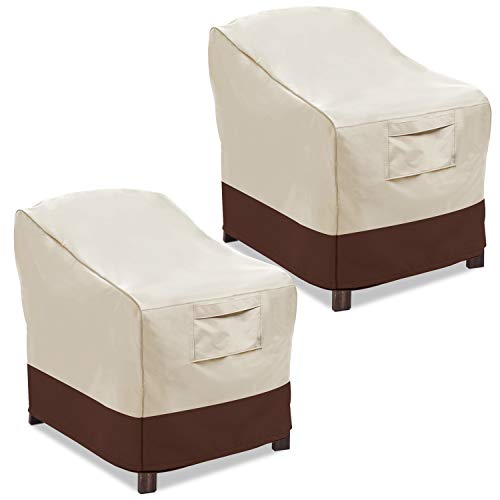
Lastly, during harsh weather conditions, consider using a cover for added protection. This simple step can significantly reduce cleaning time and upkeep effort.
Gather Necessary Cleaning Supplies
I recommend assembling a few key materials before tackling the task. First, acquire a soft-bristle brush or a sponge dedicated to outdoor use. This will help dislodge dirt without causing scratches.
Cleaning Agents
Choose a mild detergent or a specialized solution for synthetic surfaces. Avoid anything abrasive that can damage the finish. Additionally, consider vinegar for an eco-friendly option. Baking soda is also useful for stubborn stains; just mix it with water to create a paste.
Additional Items
A bucket will be invaluable for mixing solutions and rinsing. Make sure to have a garden hose or a spray nozzle for easy rinsing afterward. If you can, get a microfiber cloth for drying and polishing surfaces post-cleaning. Lastly, gloves will protect your hands during this process.
With these supplies on hand, you’ll be prepared to refresh your outdoor seating area efficiently.
Remove Loose Dirt and Debris
I begin with a quick assessment of the area around the items, checking for any loose dirt or debris. A soft-bristled broom is my go-to tool for this task. I gently sweep the surfaces, ensuring that I cover all crevices where dust or leaves may accumulate.
For any larger pieces, a handheld vacuum works wonders. I use the hose attachment to target specific areas without damaging the delicate textures. This method efficiently removes unwanted particles without making a mess.
If I encounter stubborn debris stuck in the grooves, a small brush – like an old toothbrush – helps dislodge it. I always sweep in the direction of the weave to avoid damaging any strands.
After thorough sweeping and vacuuming, I inspect the area one last time, ensuring no loose material remains. This step lays the groundwork for a more detailed maintenance process later on.
Prepare a Gentle Cleaning Solution
I recommend combining warm water with a few drops of mild dish soap to create a gentle mixture. This formulation effectively targets grime while being safe for the material.
In a bucket, mix:
| Ingredient | Amount |
|---|---|
| Warm Water | 1 gallon |
| Mild Dish Soap | 2-3 drops |
Stir the solution until the soap is evenly dispersed. Avoid excessive suds, as they can leave residue. If stains are stubborn, consider adding a small amount of white vinegar for extra cleaning power.
Test the solution on a small, inconspicuous area to ensure compatibility. This precaution helps to avoid damage and discoloration during the cleaning process.
Test the Cleaning Solution on a Small Area
Before applying the cleaning mixture widely, I always test it on a discreet spot. I choose an inconspicuous section, like the underside or back of a piece. This helps ensure that the solution won’t cause discoloration or damage.
Steps for Testing
I dampen a clean cloth with the solution and gently rub it on the selected area. After a few minutes, I wipe the spot with water to see if there’s any adverse reaction. If everything appears fine after it dries, I proceed with confidence.
Signs of Reaction
If I notice any fading, peeling, or changes in texture, I adjust my approach or switch to a milder mixture. It’s crucial to confirm the safety of the product before broader application to protect the items effectively.
Apply the Cleaning Solution Using a Soft Brush
I apply the prepared mixture gently using a soft brush with synthetic bristles. This tool helps in reaching the intricate details of the weaving without risk of damage. I start from the top surface and work my way down, ensuring thorough coverage.
Here’s my approach:
- Dip the brush into the solution, tapping off excess to prevent dripping.
- Begin brushing lightly against the surface, allowing the solution to penetrate the dirt.
- Pay extra attention to crevices and patterns where grime tends to accumulate.
- For stubborn spots, I apply a bit more pressure but steer clear of excessive force that could harm the material.
After scrubbing an area, I immediately follow up with a clean, damp cloth to lift away loosened debris. This prevents buildup and ensures I don’t leave any residue behind.
Rinse Thoroughly
I rinse the surface with clean water after brushing to remove any cleaning solution. This step is crucial for avoiding any film that could attract more dirt in the future.
Drying the Surface
Finally, I use a soft towel or let the air dry to finish off the process, ensuring everything is completely dry before storing or using the items again.
Rinse Thoroughly to Remove Residue
After applying the gentle mixture, I ensure to rinse the treated areas thoroughly. Using a garden hose with a spray nozzle, I direct a steady stream of water across the surfaces, making sure to reach every nook and cranny of the design. It’s important not to use a high-pressure setting, as that can cause damage. I focus on areas where soap and dirt may be hiding, ensuring any remaining cleaning solution is completely washed away.
If I notice any stubborn spots, I may reapply the gentle solution to those specific areas and repeat the rinsing process. For best results, I keep rinsing until no bubbles are visible and the water runs clear. Once rinsed, I allow the items to dry in a well-ventilated area, preventing any leftover moisture from causing mold or mildew buildup.
Drying the Items Properly to Prevent Damage
After the washing process is complete, ensuring that the items are dried thoroughly is key. Leaving moisture can lead to mold or mildew formation, which can damage the synthetic materials and cause unpleasant odors.
Steps for Effective Drying
- Use a soft microfiber cloth to wipe down surfaces and remove excess water.
- Position the items in a well-ventilated area. If sunlight is available, place them outside briefly, as sunlight can aid in drying while preventing mildew.
- Consider propping the pieces at an angle to allow water to drain off effectively, enhancing airflow.
- Avoid leaving them in high humidity environments, as this can prolong drying times and increase the risk of dampness.
After drying, conduct a quick inspection to ensure no lingering moisture is present in crevices or underneath surfaces. This attention can prolong the life of your items.
Maintain Furniture Regularly for Longevity
I recommend inspecting items frequently for signs of wear or dirt accumulation. A quick look every few weeks can help catch issues before they become serious problems.
Create a Routine
Establish a routine for upkeep. Schedule specific days each month to address maintenance tasks. Consistency will prevent buildup and keep your seating in optimal condition.
Use Protective Covers
Consider using protective covers when items are not in use, especially during extreme weather. This will shield them from elements that can cause fading or degradation over time.
Occasionally rotate seating positions to evenly distribute wear. This simple adjustment can extend the life of your pieces significantly.
Finally, minimize exposure to harsh chemicals and limit movement to prevent scratches. By staying vigilant and proactive, you’ll ensure your décor remains functional and appealing for years to come.