
 Caleb Turner
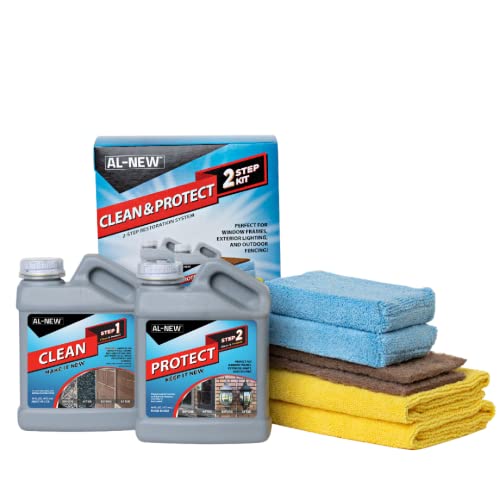
For those stubborn stains and grime on outdoor seating, mixing equal parts of water and a common kitchen acid can yield impressive results. This mixture acts as a powerful agent to break down build-up without harsh chemicals. After creating your solution, grab a soft cloth or sponge for application.
Apply the mixture generously to the surfaces, allowing it to penetrate for a few minutes. This step ensures that dirt and marks lift easily. After soaking, use a scrub brush to gently agitate the areas, paying special attention to crevices and seams where debris often accumulates.
Rinse thoroughly with water to remove any residue and leave your outdoor seating looking refreshed. For persistent spots, repeat the process as necessary. This method not only preserves the appearance but also extends the longevity of your outdoor pieces.


Cleaning Process
I mix equal parts of the tangy liquid and water in a spray bottle. This solution works wonders on stubborn stains and dirt. I spray it generously onto the surface of the items and allow it to sit for about 10 minutes. This wait time helps break down grime effectively.
Brushing Technique
After the soaking period, I take a soft-bristle brush or a cloth to scrub the surfaces gently. It’s crucial to avoid harsh or abrasive tools to prevent damage. I focus on crevices and textured areas, giving extra attention where dirt tends to accumulate.
Rinsing
Following the scrubbing, I rinse everything thoroughly using a garden hose. Ensuring all residues are washed away is key to avoiding sticky surfaces later on. If necessary, I repeat the procedure on particularly stubborn spots for optimal results.
| Step | Action |
|---|---|
| 1 | Mix equal parts of liquid and water. |
| 2 | Apply the mixture and let it sit. |
| 3 | Scrub gently with a soft brush. |
| 4 | Rinse thoroughly with water. |
Choosing the Right Vinegar for Cleaning
I recommend white distilled vinegar for removing grime and stains from outdoor fixtures. It’s affordable, easily accessible, and has strong acetic acid content, making it effective against various residues. Additionally, its neutral scent is less overwhelming than other varieties, making it suitable for outdoor use.
Alternative Options
Apple cider vinegar can be used as a milder alternative. While less potent, it possesses natural antibacterial properties and adds a pleasant aroma. Its versatility is useful for light duties but might require more scrubbing effort compared to distilled options.
Considerations for Usage
Avoid using flavored or specialty vinegars, as they may leave undesirable residues or scents. Always perform a spot test on a small area before applying any vinegar solution thoroughly, ensuring compatibility with materials.
Preparing Your Outdoor Seating for Maintenance
Remove any cushions or accessories before starting the upkeep process. This step prevents damage to those items and allows for thorough attention to the surfaces underneath. Ensure that any loose debris, such as leaves or dirt, is cleared away. I use a soft brush or a handheld vacuum for this task, focusing on crevices where grime accumulates.
Assess the Condition
Inspect the surfaces carefully for stains or signs of wear. Identifying trouble spots helps to target areas needing extra care. If there are stubborn marks, I note them to address during the cleaning phase. Pay attention to any rust or corrosion, especially on metal structures, as these might require alternative solutions.
Gather Necessary Supplies
Collect your cleaning tools and supplies before proceeding. Aside from the chosen acetic acid solution, have on hand a bucket, soft cloths, a sponge, and a hose or water source for rinsing. This preparation ensures a seamless process, allowing me to remain focused on the task at hand without interruptions. Additionally, wearing gloves protects my hands from any harsh substances or residues.
Mixing Vinegar with Water for the Solution
For my cleaning solution, I combine equal parts of white vinegar and water in a spray bottle. This 1:1 ratio ensures effective results without being overly harsh on surfaces. I usually start with one cup of each ingredient, which provides ample solution for a thorough job.
After mixing, I shake the bottle to ensure a uniform blend before application. This mixture works wonders on stains and grime, making it suitable for various materials.
For tougher challenges, I sometimes adjust the ratio to one part vinegar and two parts water. This stronger solution effectively tackles more stubborn remnants while still being safe for most surfaces.
It’s essential to test the mixture on a small, inconspicuous area first. Doing so helps avoid any unexpected reactions, ensuring the cleaning process is both safe and successful.
Applying the Vinegar Solution to Different Materials
For plastic surfaces, I mix the solution and apply it using a soft cloth or sponge. I focus on areas with stains or discoloration, allowing the mixture to sit for 10-15 minutes before wiping it clean with water. This method preserves the integrity of the plastic while removing grime effectively.
When dealing with metal items, like aluminum or steel, I am cautious. I prepare a slightly diluted solution, using one part vinegar to two parts water to prevent potential corrosion. After applying the mixture with a soft cloth, I rinse it thoroughly with water, ensuring no residue remains.
Wood requires a gentler touch. I opt for a highly diluted vinegar solution, usually one part vinegar to four parts water. I apply it lightly with a spray bottle, then wipe it down with a microfiber cloth. This approach protects the wood finish while still eliminating dirt.
For cushions and fabrics, I avoid direct application. Instead, I create a solution in a spray bottle, lightly misting the fabric surface. After allowing it to sit for a few minutes, I spot clean with a damp cloth. This technique ensures I don’t saturate the fabric while still addressing stains and odors.
| Material | Solution Ratio | Application Method |
|---|---|---|
| Plastic | 1:1 | Soft cloth or sponge, let sit, rinse |
| Metal | 1:2 | Soft cloth, apply, rinse thoroughly |
| Wood | 1:4 | Light spray, wipe with microfiber |
| Fabrics | 1:4 | Light mist, spot clean with damp cloth |
Using Brushes and Cloths for Scrubbing
I recommend selecting specific tools based on the material of your items. For surfaces like metal or plastic, a stiff bristle brush will help remove tough grime without scratching. Soft-bristle brushes work well on delicate finishes, ensuring no damage occurs.
Microfiber cloths are ideal for absorbing excess liquid and wiping away loosened dirt. They are gentle and won’t leave scratches, making them perfect for sensitive surfaces. Ensure to use a clean cloth for each area to avoid spreading dirt around.
When scrubbing, apply consistent pressure to lift debris effectively. For intricate designs or hard-to-reach areas, a toothbrush or a smaller brush can be invaluable. After scrubbing, rinse thoroughly to remove any abrasive residue from the tools.
Be mindful of your technique; circular motions often yield the best results. Change out your cloth or brush if it becomes too dirty to avoid reapplying contaminants back onto the surface.
Rinsing Off the Cleaning Solution Properly
Thoroughly rinse the surfaces after applying your cleaning mixture. Use a garden hose with a spray nozzle to ensure even distribution of water. Begin from the top and work your way down to avoid dirty water running over cleaned areas. Ensure all residues of acidity are removed, as they can lead to damage or dullness over time.
If the item is small enough, submerging it in a container filled with clean water is another effective method. This allows the debris to float away and ensures a complete rinse. For intricate designs or textured surfaces, use a soft brush to help dislodge any remaining particles.
After rinsing, it’s important to dry surfaces properly. Use a microfiber cloth to absorb excess water and prevent water spots. Allow the items to air dry completely in sunlight, which also helps eliminate any mildew growth. Regular rinsing and drying maintain aesthetics and prolong longevity.
Protecting Furniture After Cleaning
Once I finish washing outdoor seating and tables, applying protective measures is crucial to prolong their life and appearance. Here’s what I recommend:
1. Use a Weather-Resistant Cover
- Invest in high-quality covers that fit snugly to shield from rain, snow, and UV rays.
- Choose breathable materials to prevent moisture buildup, which can lead to mold or mildew.
2. Apply Protective Coatings
- For wooden pieces, consider a marine-grade varnish or UV-resistant sealant to safeguard against sunlight and moisture.
- For metal items, a rust-inhibiting spray can prevent oxidation and corrosion.
Regularly inspect the items for any signs of wear or damage, and address these issues immediately to maintain their condition. By following these steps, I ensure my outdoor seating remains appealing and functional year-round.
Regular Maintenance Tips for Outdoor Seating
Regular upkeep of outdoor seating can prolong its lifespan and maintain its appearance. Here are specific recommendations to keep your items in top shape.
1. Schedule Periodic Inspections
Every few weeks, check for signs of wear or damage. Pay attention to:
- Fading paint or finishes
- Loose screws or connections
- Cracks or chips in the material
2. Wipe Down Surfaces Frequently
Dust and debris accumulate quickly, so a simple wipe-down can prevent long-term staining. Use a soft, damp cloth for regular touch-ups.
3. Protect from Elements
Invest in covers for protection against rain, sun, and snow. This minimizes exposure and reduces wear and tear.
4. Avoid Harsh Chemicals
Use gentle, natural cleaning agents to prevent damaging finishes or materials. Always opt for non-toxic, environmentally friendly solutions.
5. Store During Off-Season
If possible, store outdoor items in a dry location during colder months. This can significantly reduce the risk of damage caused by freezing temperatures or moisture.
6. Apply UV Protectant
Consider using a UV protectant spray periodically for items exposed to sunlight. This can enhance resistance to fading and cracking.
7. Regularly Tighten Hardware
Check and tighten screws, bolts, and other fasteners to ensure stability. Loose connections can lead to more severe structural issues over time.
Incorporate these practices into your routine, and you’ll notice a marked difference in the longevity and condition of your outdoor seating.


