
 Caleb Turner

First, remove any loose debris, dirt, and dust using a soft-bristle brush. Focus on crevices and joints, as these areas typically accumulate grime.
Next, mix a solution of mild soap and warm water. Gently scrub the surfaces with a sponge or cloth, ensuring all parts are addressed. Rinsing thoroughly with clean water is crucial to eliminate any soap residue.


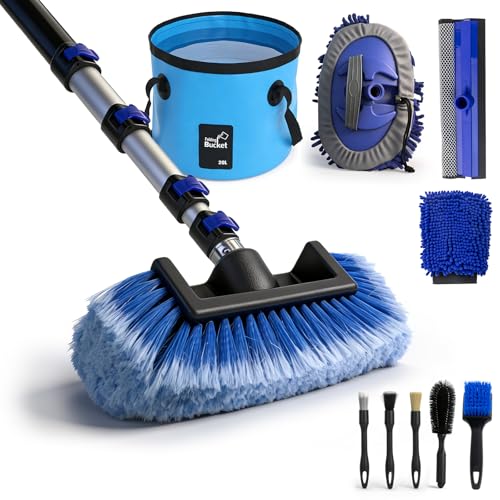
For stubborn stains and mildew, a specialized cleaner may be necessary. Apply the cleaner as directed, and follow it up with a thorough rinse to achieve a pristine surface.
After cleaning, allow the pieces to dry completely. This step is vital, as moisture can interfere with the bonding of the stain. Using a moisture meter can help gauge dryness levels accurately.
Finally, lightly sanding the surfaces may enhance adhesion, providing a more robust finish. Opt for fine-grit sandpaper, and be sure to wipe away any dust with a damp cloth afterward.
Preparation Steps for Outdoor Wooden Surfaces
Begin with scraping off any loose dirt or debris using a stiff-bristled brush. Ensure to work in the direction of the grain to avoid damage to the fibers.
Removing Stains and Mildew
For stubborn spots, mix equal parts of white vinegar and water in a spray bottle. Spray the solution onto the affected areas and let it sit for about 15 minutes before scrubbing. Rinse thoroughly with clean water afterward.
Final Rinse and Drying
After treatment, use a garden hose to thoroughly rinse the surface, ensuring all cleaning agents are washed away. Allow the structure to dry completely, aiming for a dry period of at least 24 hours under sunlight.
Inspect the surface for any missed spots and ensure it feels dry to the touch before proceeding with application of new finish. A properly prepared surface enhances the adhesion and longevity of the product used subsequently.
Assessing the Condition of Your Wood Furniture
I begin by examining my pieces for signs of damage. Cracks, splits, and warping indicate structural issues that need attention. I take a closer look at the surfaces; peeling paint or finish suggests the need for thorough attention. If I notice significant discoloration or fading, it indicates the surface may require restoration efforts for optimal results.
Next, I check for mold or mildew. If present, this must be removed effectively to avoid further deterioration. For any rough areas, sanding may be necessary to ensure a smooth base for any new treatment. I pay special attention to joints and connections, as these are often weak points. Ensuring they are tight and intact is essential for the longevity of my items.
Finally, I assess the overall cleanliness; debris, dirt, and organic matter can affect the adherence of the new finish. A clean and stable surface is paramount before proceeding with any enhancement treatments.
Gathering Necessary Cleaning Supplies
I recommend collecting the following items for an efficient preparation process:
- Bucket: Essential for mixing cleaning solutions or water.
- Sponge or Scrub Brush: A non-abrasive option to avoid damaging the surface.
- Cleaning Solution: Choose a specialized product designed for wooden surfaces or mix mild soap with water.
- Garden Hose or Power Washer: Depending on the buildup, a gentle water source may suffice, while a power washer can tackle more stubborn grime.
- Protective Gear: Gloves and goggles will keep your hands and eyes safe from chemicals and debris.
- Rags or Towels: Use them for drying and for any final touches after cleaning.
- Sandpaper: Fine-grade sandpaper can be handy for smoothing out rough spots that may appear after the cleaning process.
Ensure all necessary items are on hand before starting, as this will streamline the entire task. Check for proper functionality of any equipment, especially hoses or washers, to avoid interruptions.
Removing Loose Dirt and Debris
I begin by gathering a soft-bristle broom or a handheld brush to sweep away any loose dirt, leaves, or debris that may have accumulated on the surface. I ensure to get into the crevices and corners, as debris often hides there. For stubborn particles, I use a putty knife or a plastic scraper, taking care not to scratch the surface.
Using Water for Enhanced Removal
If the weather permits, I spray the furniture lightly with water to help lift off the dirt without soaking the material. A gentle rinse is sometimes necessary, allowing me to see what still needs attention. I then return to the brush, adjusting my approach based on what I observe after wetting the surface.
Final Touches
After using the brush, I check for any remaining bits of debris or embedded dirt. If needed, I use a damp cloth to wipe down surfaces, ensuring there are no residues left before proceeding to the next phase. This ensures a clean slate for further treatment and enhancement.
Washing with Soap and Water
Mix warm water with a mild dish soap to create an effective cleaning solution. I prefer using a bucket for easy access to the mixture. Use a soft-bristled brush or sponge to apply the soapy water generously across all surfaces, ensuring even coverage. Pay special attention to any areas with stubborn dirt or stains.
Step-by-Step Process
After applying the sudsy mix:
- Gently scrub the surface in circular motions, focusing on corners and crevices.
- Rinse the sponge or brush frequently to avoid spreading dirt.
- Once satisfied with the scrubbing, rinse the entire area with clean water using a hose or a bucket.
- Make sure to remove all soap residue; any leftover soap can interfere with the next treatment.
Drying
Allow the structure to air-dry completely. I often use a clean, dry cloth to wipe away excess moisture and speed up the drying process. Ensure that there’s no standing water left, as this can lead to issues later on.
| Item | Purpose |
|---|---|
| Mild dish soap | Cleaning agent |
| Bucket | Mixing solution |
| Soft-bristled brush | Scrubbing |
| Clean cloth | Drying |
Using a Brush for Stubborn Stains
I recommend employing a stiff-bristle brush when tackling persistent marks on your surface. This type of brush allows for deeper penetration into the grain, effectively lifting dirt and grime that other methods might miss.
For optimal results, follow these steps:
1. Choose the Right Brush
Select a brush that is both durable and suitable for your specific material. A natural bristle brush works well for softwoods, while synthetic fibers are better suited for hardwoods.
2. Apply Cleaning Solution
Before scrubbing, generously apply a suitable cleaning solution that targets tough stains. Let it sit for a few minutes to break down the residue.
| Stain Type | Recommended Cleaning Solution |
|---|---|
| Mildew | Equal parts vinegar and water |
| Grease | Dish soap diluted in warm water |
| Food Stains | Oxygen bleach solution |
Once the solution has settled, scrub gently but firmly in the direction of the grain. Rinse the area well with clean water to remove any cleaning agent residue. For particularly stubborn spots, repeat the process until the stain is removed.
Rinsing Thoroughly to Remove Residue
After scrubbing the surface and removing tough spots, it’s crucial to rinse thoroughly. I use a garden hose with a spray nozzle to ensure an even distribution of water across the entire area. The goal is to wash away any soap and dirt, leaving a clean surface ready for the next steps.
I direct the spray at various angles, allowing water to flow into crevices and joints where residue might lurk. This method ensures that all cleaning agents are eliminated, which is essential for proper adhesion of the new finish.
When rinsing, I keep an eye out for any remaining suds or streaks. If needed, I repeat the rinsing process to guarantee a pristine finish. It’s important to let the material dry completely before proceeding to application of any protective coating. Ensuring thorough rinsing contributes to achieving a smooth and durable final result.
Drying the Furniture Properly
Ensure that each piece is completely dry to avoid trapping moisture, which can lead to mold or degradation of the surface. I typically leave items in a well-ventilated area, as air circulation significantly aids in the drying process. Avoid leaving furniture in direct sunlight for extended periods, as extreme heat can warp or crack the material.
For quicker drying, I use a fan directed towards the furniture. If the weather permits, placing them outside can be beneficial as long as there’s no chance of rain. Depending on humidity levels, drying may take several hours to a full day; I always check by feeling the surface. If it feels cool or damp, I give it additional time. Once dried, the texture should be consistent and smooth, ready to accept treatment.
To confirm dryness, I might lightly sand the surface. If the sandpaper glides smoothly without resistance, I know it’s prepared for the next steps. This method ensures that my sealing or finishing products adhere properly for a lasting effect.
Inspecting for Damage and Repairs Needed
Examine surfaces for signs of degradation, such as cracks, splinters, or soft spots. Pay particular attention to joints and connections, which might show wear over time.
Identify areas that require attention:
- Cracks: Check for any visible breaks in the grain.
- Wood rot: Look for darkened areas or a spongy texture.
- Loose joints: Gently test connection points for stability.
Make a list of necessary repairs:
- For minor cracks, consider using wood filler or epoxy to seal them.
- Address any areas exhibiting rot by cutting out affected sections and replacing them as needed.
- Tighten loose joints or reinforce them with wood glue for added strength.
Diligently inspecting ensures longevity and enhances the overall appearance of your items, providing a solid foundation for the subsequent application of a protective finish.
Preparing the Surface for Stain Application
Ensure the surface is smooth and ready for stain by addressing any imperfections. Begin by sanding the area with fine-grit sandpaper (around 120 to 220 grit). This process removes rough patches and prepares a clean canvas for application.
Sanding Tips
- Sand in the direction of the grain to avoid scratch marks.
- Wipe away the dust with a damp cloth after sanding to ensure proper adhesion of the stain.
Inspect for any remnants of old finishes or coatings. If any remain, consider using a chemical stripper or a heat gun to remove them fully. Follow all safety guidelines and work in a well-ventilated area during this process.
Checking for Repairs
- Look for cracks, loose joints, or broken parts that require fixing.
- Fill in any gaps or holes with wood filler and sand smooth once dry.
Completing these steps will guarantee a uniform and long-lasting finish, enhancing the overall appearance of your piece while ensuring the stain adheres properly.


