
 Caleb Turner
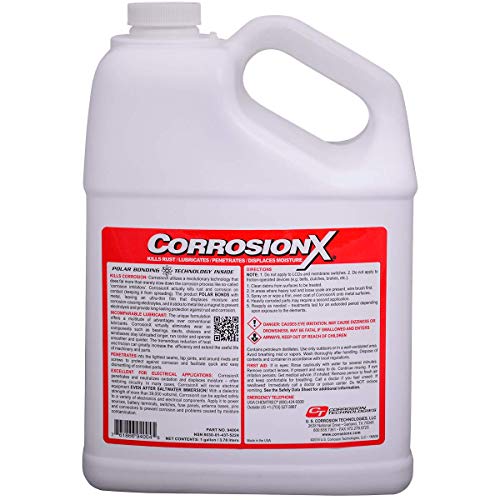
I recommend gathering warm water, mild soap, and a soft-bristle brush as your primary tools. This combination is gentle enough to avoid scratches while effectively removing dirt and debris. Begin by rinsing the surface with water to loosen any attached particles.
Apply the soapy mixture with the brush in circular motions, paying attention to crevices and joints where grime tends to accumulate. For stubborn spots, I suggest using a mixture of baking soda and water to create a paste. Let it sit for a few minutes before scrubbing gently.
After thoroughly washing, rinse with clean water to ensure no residue remains. For drying, a microfiber cloth works wonders, leaving a streak-free finish while preventing rust formation. Finally, applying a protective coating like a dedicated outdoor spray can enhance longevity against harsh weather conditions.
Maintenance Tips for Your Metal Seating
My preferred method involves a simple blend of warm water and mild dish soap. A soft-bristled brush is perfect for scrubbing. Make sure to go over every nook and cranny to remove dirt and residue thoroughly. Rinse with clean water to avoid any soap film; I usually use a hose for this. Allow the item to air dry completely on a sunny day, as moisture can lead to rust.


Preventative Measures
I recommend applying a protective wax or oil specifically designed for metal surfaces after cleaning. This creates a barrier against moisture and stains. Do this at least twice a year. If I notice any chips or scratches, I’ll touch those up immediately with rust-resistant paint to prevent further deterioration.
Seasonal Storage Tips
Before winter, I ensure the pieces are free from debris and water. If storing them indoors, I cover them with breathable fabric. This keeps dust off while allowing air circulation, reducing the risk of moisture buildup.
Gather Necessary Cleaning Supplies
I recommend collecting the following items before tackling the task of refreshing your outdoor decor:
- Soft-bristle brush or sponge for gentle scrubbing.
- Bucket for holding cleaning solutions and rinsing.
- Mild dish soap or specialized metal cleaning solution to remove dirt and grime.
- White vinegar or baking soda for dealing with stubborn stains.
- Water hose or pressure washer to rinse surfaces after scrubbing.
- Old towels or rags for drying and buffing.
- Protective gloves to shield hands from harsh chemicals.
- Non-toxic sealant or oil to protect the finish post-cleaning.
Having these items ready ensures a smooth and efficient process.
Remove Loose Dirt and Debris
Begin the process by using a soft-bristle brush or a broom to sweep away any loose particles from the surface. Move systematically across each section to ensure thorough coverage. Pay special attention to crevices and intricate designs where dirt tends to accumulate.
Utilize a Vacuum
If available, a vacuum cleaner with a nozzle attachment works well to remove more stubborn dirt or debris, especially in tight spots. Make sure to set it to a low power to avoid scratching the surface.
Rinse with Water
For larger pieces, consider hosing down with gentle pressure. This removes any remaining loose dirt without causing damage. A quick rinse will help prepare the surface for any further cleaning steps.
Clean with Soapy Water Solution
After removing loose dirt, I mix a few drops of mild dish soap with warm water in a bucket. Using a soft sponge or cloth, I soak it in the soapy mixture and start scrubbing the surface thoroughly. I focus on crevices and intricate patterns, ensuring I reach all areas.
It’s important to rinse the sponge frequently to avoid spreading dirt around. For tougher spots, I let the soapy solution sit for a few minutes before scrubbing again. Once done, I use a garden hose or a bucket of clean water to rinse off all soap traces carefully, preventing any residue that could cause spots or damage over time.
I always dry the piece thoroughly using a clean, dry cloth, as moisture can lead to rust. If it’s a sunny day, I’ll allow the item to air dry completely before use.
| Step | Details |
|---|---|
| 1 | Mix a few drops of mild soap with warm water. |
| 2 | Use a soft sponge or cloth to scrub the surface. |
| 3 | Focus on crevices and let the solution sit on tough spots. |
| 4 | Rinse off all soap with clean water from a hose or bucket. |
| 5 | Dry the item completely with a cloth or let it air dry. |
Scrub Stubborn Stains with a Brush
If I encounter tough spots that refuse to budge, I turn to a stiff-bristled brush. This tool effectively tackles the grime and restores the aesthetic of the metal. I apply gentle pressure while scrubbing, ensuring I don’t scratch the surface.
Here’s my approach:
- Choose a brush with durable bristles and a comfortable handle. This allows for extended use without strain.
- Dip the brush into the soapy water solution. Ensure it’s saturated but not dripping to avoid excess liquid pooling.
- Focus on one area at a time. I work in small sections, applying consistent pressure to lift the grime. Circular motions often yield better results.
- For particularly stubborn stains, I might let the soapy mixture sit for a few minutes before scrubbing. This gives the cleaner time to penetrate the dirt.
- Rinse each section thoroughly with clean water after scrubbing. I prefer using a garden hose to wash away loosened debris effectively.
By incorporating these steps, I find it easier to eliminate tough stains, bringing life back to my metal seating and decor.
Rinse Thoroughly with Clean Water
I always make sure to rinse every surface with fresh water after scrubbing to remove any remaining soap residue. Residual cleaning agents can lead to discoloration or even corrosion over time.
Here are steps to ensure a thorough rinse:
- Use a garden hose with a spray nozzle for better control.
- Start from the top of the piece and work your way down to allow water to flow away from surfaces.
- Pay special attention to crevices and detailed areas where soap can get trapped.
- Continue rinsing until the water runs clear, indicating all soap is removed.
After rinsing, I typically let the surfaces air dry completely to prevent moisture accumulation, which can lead to rust.
Dry the Furniture Properly
After thoroughly washing the pieces, it’s crucial to ensure each item is completely dry. I start by using a clean, soft cloth to wipe down surfaces, removing any excess moisture. Pay close attention to crevices where water may linger, as trapped moisture can lead to rust.
Next, I position the items in a well-ventilated area, preferably under direct sunlight. The heat aids in accelerating the drying process. If indoor drying is necessary, I use fans to circulate air around the surfaces. Allow sufficient time for the metal to dry completely, waiting a few hours if possible.
Final Touches
Once fully dry, I inspect each piece to ensure there are no remaining damp spots. If I notice any signs of moisture, I wipe those areas again with a cloth. Finally, I can apply a thin layer of protective wax or oil to shield the surfaces from future elements, but only after confirming everything is thoroughly dry.
Apply Protective Oil or Wax
I recommend using a rust-inhibiting oil or high-quality paste wax to protect the surface after cleaning. Start by applying a thin layer of oil, such as mineral oil or a specific metal protectant. Use a clean, lint-free cloth to spread the oil evenly over all surfaces, ensuring all nooks and crannies are covered.
If opting for wax, choose a product that is suitable for metal surfaces. Apply the wax using a soft cloth in a circular motion, ensuring a uniform coat. Allow the wax to set as per the manufacturer’s instructions, then buff it with a clean cloth to achieve a nice sheen.
This protective layer will help prevent moisture from penetrating the surface, which is key to preventing rust and extending the life of your garden pieces. Reapply the oil or wax every few months, especially if the items are exposed to the elements.
Prevent Rust with Regular Maintenance
To safeguard against corrosion, routine upkeep is non-negotiable. I recommend inspecting the surface for any signs of damage or wear at least once a month. Identify chips or scratches immediately and address them with a touch-up paint designed for metal surfaces. This quick action prevents moisture from penetrating the underlying material.
Routine Inspection and Immediate Touch-ups
After each cleaning session, I take a moment to look over the entire structure. Any scuffs or scratches should be painted over to maintain a protective barrier. This simple practice can significantly extend the life of your outdoor collection.
Seasonal Treatments
During the transition between seasons, I apply a protective layer of wax to provide extra defense against moisture and environmental factors. A high-quality wax specifically formulated for metal will repel water, stopping rust before it can start. Aim to do this every six months for best results.
Handle Patina and Weathering Issues
For surfaces that exhibit patina or signs of weathering, it’s advisable to gently abrade the affected areas using fine steel wool or a soft-bristle brush. This technique removes superficial oxidization while preserving enough texture to maintain the piece’s authenticity.
Assess Damage Level
First, evaluate the extent of the wear. Light discoloration may only need buffing, while deeper corrosion might require more intensive methods.
| Condition | Recommended Action |
|---|---|
| Light Patina | Buff with fine steel wool |
| Moderate Weathering | Scrub with mild abrasive cleaner |
| Severe Corrosion | Use rust remover or consider professional restoration |
Apply a Suitable Finish
After treating the surface, I recommend applying a high-quality rust-inhibiting paint or protective sealant. This finish aids in preventing future weathering and maintains the aesthetic appeal of the piece.
FAQ:
What supplies do I need to clean outdoor cast iron furniture?
To clean outdoor cast iron furniture, gather the following supplies: a soft-bristle brush or sponge, mild dish soap, warm water, a bucket, white vinegar (for rust removal), a rust-inhibiting primer, and protective sealant or paint if you’re looking to restore the finish. Using these items will help you to effectively clean and maintain your furniture.
Can I use power washing on cast iron furniture?
It’s best to avoid using a power washer on cast iron furniture. The high pressure can damage the surface and remove the protective coating. Instead, opt for a gentle approach with a bucket of soapy water and a soft brush to ensure the furniture remains in good condition.
How can I remove rust from my cast iron furniture?
If your cast iron furniture has rust, create a mixture of equal parts white vinegar and water. Soak a cloth in this solution and apply it to the rusty areas. Let it sit for a few hours before scrubbing the rust away with a soft brush or steel wool. After removing the rust, rinse the area thoroughly and dry it. Applying a rust-inhibiting primer can also help prevent further rusting.
How often should I clean my outdoor cast iron furniture?
The frequency of cleaning your outdoor cast iron furniture depends on your local weather conditions and how much it’s used. Generally, it’s a good idea to clean it at least once a season. If your furniture is exposed to harsh elements or gets dirty frequently, you may want to clean it more often to maintain its appearance and longevity.


