Caleb Turner
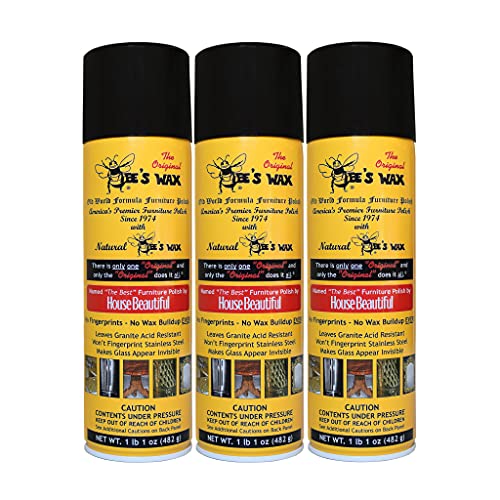
Begin with a gentle brushing using a soft bristle brush or a microfiber cloth to remove loose particles from the surface. This step prevents scratching while ensuring that deeper dirt and grime are easier to manage in subsequent phases.
Mix one part vinegar with one part olive oil in a spray bottle. This natural solution not only disinfects but also nourishes the fibers, restoring their luster. Apply the mixture with a lint-free cloth, working in the direction of the grain. This technique aids in preventing streaks and enhances the finish.
For stubborn stains or accumulated residues, consider a paste made from baking soda and water. Apply it carefully to the affected area, allowing it to sit for a few minutes before gently buffing away. Rinse with a damp cloth to remove any excess and ensure a spotless finish.
Regular maintenance is key. Incorporate a dusting routine regularly using a dry cloth to keep these elegant pieces looking pristine. This practice not only preserves the aesthetic but prolongs the life of the craftsmanship.
Cleaning Vintage Dusty Wooden Pieces
Mix equal parts of olive oil and white vinegar in a spray bottle. This combination provides a natural way to polish while removing accumulated grime. Apply it to a soft microfiber cloth and gently wipe the surface.


For areas with stubborn residues, create a paste using baking soda and water. Apply it with a damp cloth to problematic spots, let it sit for a few minutes, then gently rub and wipe away with a clean, damp cloth.
Use a soft-bristle brush to reach intricate carvings or corners. This prevents scratching and ensures thorough removal of particles.
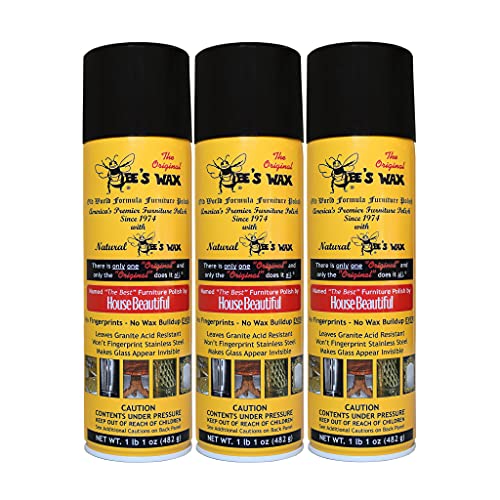
Once the surface is clean, consider using beeswax for protection. Apply a small amount with a cloth, buffing it in until it’s absorbed. This adds a layer of shine and helps repel dust.
- Always test any solution on a hidden area first.
- Avoid excess moisture to prevent warping or damage.
- Store in a dry place away from direct sunlight to maintain integrity.
Regular maintenance involves dusting with a soft cloth weekly to prevent buildup, ensuring longevity for treasured pieces.
Assessing the Condition of Your Wood Items
Begin by carefully inspecting for visible marks, scratches, or dents. Pay attention to the type and depth of each imperfection, as this will affect your cleaning method.
Next, check for color inconsistencies and areas where the finish may be worn away. This can indicate areas that require touch-up or refinishing. Use your fingertips to feel for rough patches, which may suggest accumulated grime or damage beneath the surface.
Evaluating Structural Integrity
Ensure that joints are secure. Gently wiggle any drawers or doors to see if they align properly. If they are loose, consider what repairs may be needed to restore functionality.
| Condition | Indicators | Action Needed |
|---|---|---|
| Slight Wear | Minor scratches, slight fading | Routine maintenance products |
| Moderate Damage | Visible dents, deeper scratches | Refinishing or professional assessment |
| Severe Damage | Cracks, unstable joints | Repair or restoration services |
Surface Assessment
For the surface, use a soft cloth to wipe down lightly. This lowers the risk of scratching while helping identify hidden issues. Look for shiny spots that could indicate residue buildup, which requires more detailed cleaning techniques.
Document your findings. Taking notes on each piece will help ensure that you address all necessary repairs and cleaning processes effectively.
Gathering Necessary Cleaning Supplies
For a successful restoration of vintage wooden pieces, I ensure to assemble the right materials. My first choice is a gentle microfiber cloth; its soft texture minimizes scratches while effectively removing dust. Next, I grab a clean, slightly damp cloth for more thorough wiping without soaking the surface.
Tools and Agents
I find a vacuum with a brush attachment useful for getting into crevices. A mild soap, like a natural dish soap, combined with water, serves as a gentle cleaning solution. For polishing and enhancing luster, I often select a high-quality furniture polish or beeswax. A squeeze bottle or spray container makes application neat and controlled.
Protective Gear
I don’t overlook my safety; wearing gloves protects my hands from cleaning agents, and a mask keeps dust out of my lungs. Keeping these supplies organized ensures I’m prepared to tackle any task efficiently and effectively.
Choosing the Right Cleaning Method for Different Finishes
Identify the finish type on your surface first before selecting a cleaning technique. Common finishes include lacquer, varnish, oil, and soap. Each requires specialized care to avoid damage.
Lacquer Finishes
Lacquer produces a high-gloss layer and can be sensitive to harsh chemicals. Use a soft cloth dampened with water or a mixture of water and mild soap. Wipe gently to prevent scratching the surface.
Varnish Finishes
Varnished surfaces withstand more aggressive cleaning, yet they should not be soaked. Opt for a solution of vinegar and water. Apply it with a soft cloth to remove grime, then dry thoroughly to avoid streaks.
Oil Finishes
- Use a blend of mineral oil, with a soft cotton cloth.
- Gently rub the grain pattern to restore shine and nourishment.
Soap Finishes
For soap finished items, a damp cloth is ideal. Avoid excess moisture and instead, follow up with a dry cloth to prevent water spots.
General Tips
- Test any cleaning solution on an inconspicuous area first.
- Avoid using ammonia-based or abrasive cleaners.
- Always follow up with a soft, dry cloth to reduce moisture exposure.
Removing Dust and Loose Dirt from Surfaces
I recommend using a soft, lint-free cloth or microfiber cloth to gently wipe away accumulated particles. This helps prevent scratches during the process. Start from the top surfaces and work your way down to ensure that debris falls onto areas that will be addressed later.
For crevices or intricate designs, a small brush, such as a paintbrush or an old toothbrush, is effective for loosening and removing dirt. Make sure to use gentle strokes to avoid damage. Dampen the cloth slightly with water to capture more dust, but avoid soaking the material to prevent moisture damage.
Using the Right Technique
I often find that a quick, circular motion helps in lifting dirt more effectively than straight sweeping motions. Ensure that the cloth is clean and free from any hard particles that could cause harm. Changing the cleaning cloth as it becomes dirty is advisable to maintain effectiveness.
Regular Maintenance
Incorporating a routine of light upkeep, such as weekly dusting, helps minimize the buildup of dirt. This approach saves time and effort in the long run, ensuring that surfaces remain in good condition without extensive cleaning. Keeping items off surfaces also allows for easier access during regular dust removal sessions.
Deep Cleaning Techniques for Stubborn Stains
I recommend using a paste made from baking soda and water for tough blemishes. Mix until you achieve a thick consistency, then gently rub the paste onto the stain with a soft cloth. This works well for mild scratches and surface marks.
For oil-based spots, such as from food or fingerprints, combine equal parts vinegar and water in a spray bottle. Lightly spritz the mixture onto the affected area and wipe with a microfiber cloth to lift the residue. Ensure that you don’t saturate the surface too much to prevent damage.
If there are darker stains, like water rings or heat marks, I suggest applying mayonnaise directly to the spot. Let it sit for several hours or overnight, then buff it away with a clean, soft cloth. The oils in the mayonnaise can help restore some of the lost luster.
For persistent blemishes that seem resistant to common methods, consider using a mixture of dish soap and mineral oil. Combine a few drops of soap with a tablespoon of mineral oil, then apply it gently. This method helps nourish the finish while removing deeper grime.
To tackle deeper scratches, a few drops of walnut oil can be rubbed into the mark. Allow it to absorb into the wood to help minimize visibility and blend the area with its surroundings.
After addressing individual spots, I suggest applying a quality wax or polish to restore shine. Choose a product that matches your piece’s finish, and apply it with a clean cloth using a circular motion for an even coat. This not only enhances appearance but also provides a protective layer against future stains.
Restoring Shine with Wood Polish or Wax
I recommend using either a high-quality wood polish or furniture wax to rejuvenate the luster of your surfaces. Always start by selecting a product suited for the specific finish on your pieces.
For varnished or polyurethane finishes, a spray or liquid polish works effectively. Apply a small amount directly onto a clean, soft cloth, then rub it onto the surface in a circular motion. This technique enhances shine while protecting the finish.
If your item has an oiled or unwaxed finish, opting for a paste wax can yield remarkable results. Use a lint-free cloth to apply a thin layer of wax, ensuring even coverage. Let it sit for a few minutes to allow the product to penetrate before buffing with a separate clean cloth to achieve an even shine.
Pay attention to any specific instructions provided by the manufacturer of the polish or wax used, as this can impact results. Regular maintenance using these products can prolong the appearance and durability of your pieces.
Avoiding Common Mistakes While Cleaning Wood Furniture
Avoid using abrasive materials like steel wool or harsh sponges. These can scratch surfaces, leading to irreversible damage.
Applying too much liquid directly onto the surface is risky. Always dampen the cloth instead. Excess moisture can seep into joints, causing warping.
Never ignore the grain. Always wipe in the direction of the natural pattern to avoid streaks and enhance the finish.
Using the wrong cleaning solutions can be harmful. Stay away from ammonia-based or acidic cleaners, as they can deteriorate the finish over time.
Over-polishing can create a sticky residue. Use a minimal amount of polish or wax, and buff it out efficiently to ensure a smooth finish.
Neglecting to test products on an inconspicuous area puts your piece at risk. A small patch can reveal adverse reactions before full application.
Using excessive force while scrubbing can damage the surface. Gentle pressure often yields better results without harming the material.
Not considering the specific type of finish can lead to mishaps. Research whether your piece has lacquer, varnish, or oil, as this dictates the cleaning approach.
Ignoring the environmental context is another oversight. Excessive heat or humidity can affect how products behave, impacting the outcome of your efforts.
Regular Maintenance Tips to Prevent Dust Accumulation
Wipe surfaces weekly with a microfiber cloth to trap particles effectively. This simple action minimizes buildup and maintains the natural beauty of items.
Utilize air purifiers in your living spaces. These devices significantly reduce airborne particles, making it easier to keep surfaces cleaner for longer periods.
Position items thoughtfully. Arrange objects to avoid tight clusters that attract more dust. This tactic not only keeps surfaces tidy but also enhances the visual appeal of the room.
If possible, close windows during windy days. Outdoor debris can easily infiltrate indoor spaces, increasing the chore of maintaining cleanliness.
Frequent vacuuming, especially in high traffic areas, aids in minimizing the transfer of dirt. Ensure to employ a vacuum with a HEPA filter for optimal results.
Consider modifying your cleaning schedule according to the season. In areas with high pollen counts, increase dusting and vacuuming to counteract seasonal challenges.
Keep items stored in cabinets or boxes. This method not only protects them from accumulating grime but also provides a more organized space.
Regularly check and replace air filters in heating and cooling systems. Clean filters enhance air quality and reduce the amount of debris settling on surfaces.
Embrace the habit of using coasters and placemats on surfaces. Minimizing direct contact reduces the risk of scratches and wear, which can trap dirt particles more easily.
Maintain humidity levels between 40% and 60%. Controlling moisture helps prevent dust mites and mold, both of which can contribute to dirt accumulation.
Lastly, foster a no-shoes policy indoors. Shoes can carry a significant amount of dirt and particles from outside, which quickly contributes to indoor grime.