
 Caleb Turner
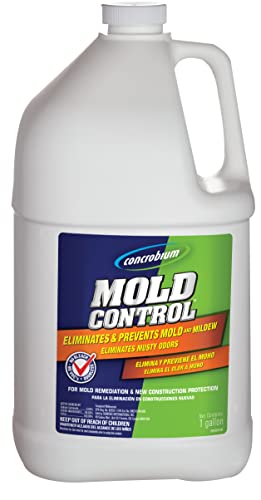
Mix equal parts of white vinegar and water in a spray bottle. This solution serves as an excellent starting point for banishing unsightly stains from your patio set or garden chairs.
Apply the mixture generously to the affected areas, ensuring thorough saturation. Allow it to sit for at least 15 minutes; this will help lift the discoloration. For tougher spots, a soft-bristle brush can gently agitate the surface without causing damage.


Rinse the furniture well with a garden hose after scrubbing, as this will wash away any residual solution and loosened debris. For final touches, it’s wise to let the items dry completely in the sun to prevent any new growth.
Consider applying a protective sealant afterward to extend the lifespan of your outdoor pieces, helping to keep them looking fresh throughout the seasons.
Removing Spores from Exterior Timber Seating
Combine equal parts water and white vinegar in a spray bottle. Spray the solution directly onto the affected areas and let it sit for about 15 minutes. This step helps to kill the spores effectively.
Scrubbing Process
After the solution has soaked, use a stiff-bristled brush to scrub the surfaces. Apply moderate pressure to ensure thorough removal without damaging the material.
Rinsing Off Residue
Rinse the treated areas with a pressure washer or garden hose to eliminate any remaining solution and debris. Ensure that all cleaning agents are washed away to prevent buildup.
- Ensure the furniture dries completely in a sunny spot.
- Optionally apply a suitable protective sealant once dry, enhancing longevity.
Regular upkeep will minimize future regrowth, maintaining the pristine appearance of your seating. Aim for a bi-annual cleaning schedule for optimal results.
Identifying Mold on Wood Furniture
To spot unwanted growth, first examine the surface for discolored patches, which can appear green, black, or white. Pay special attention to areas that consistently retain moisture, such as shaded spots or surfaces near plants.
Use your sense of smell; a musty, earthy odor often accompanies this growth. If you notice this scent, investigate further for visible signs.
Look for a fuzzy texture or spots that seem to lift from the surface. These textures can indicate a more serious issue that requires attention. If there are any stains or structural changes, such as warping or softening of the material, those may also signify a deeper problem.
Regular inspections, especially after rain or high humidity, help catch potential issues early. Using a flashlight can assist in spotting hidden areas under furniture or in crevices that may harbor this unwanted growth.
Preparing Your Cleaning Area
Secure a clear, spacious environment to facilitate the task at hand. Remove any surrounding items that may obstruct movement or become affected during the process. I always choose a dry, sunny day since sunlight aids in drying surfaces and helps in deterrence of further growth.
Lay down a protective tarp or old sheet beneath the items to catch any residue or debris. This step minimizes mess and simplifies the cleanup afterward. I often use a sturdy plastic drop cloth for easy disposal.
Gather all necessary tools within arm’s reach. Essential items include a bucket, brushes with stiff bristles, a garden hose or pressure washer, non-toxic cleaning agents, and gloves for hand protection. Having everything organized saves time and effort during the work.
Ensure to wear suitable clothing that you don’t mind getting damaged. Old clothes paired with safety goggles can prevent irritation from splashes or compounds. Skin contact is best avoided, so use gloves throughout the process.
Before proceeding, check the forecast and the area to prevent interruptions. Windy conditions can cause splashes or disperse residues, complicating matters. Sticking to mild weather guarantees a smoother experience.
Choosing the Right Cleaning Solution
I prefer using a solution combining water and vinegar in equal parts for its simplicity and effectiveness. This mixture is gentle yet powerful enough to tackle stubborn stains. Alternatively, a mild detergent mixed with warm water can work well for lighter infestations. Always test your chosen solution on a small, inconspicuous area first to ensure it does not harm the surface.
If you need a stronger option, consider using oxygen bleach, which is less harsh than chlorine bleach while still being effective. Dilute it according to the manufacturer’s instructions and ensure the area is well-ventilated. For persistent spots, a commercial cleaner labeled for outdoor surfaces may be beneficial–just verify that it is safe for the type of material you are treating.
Regardless of the solution, wearing gloves and protective eyewear is a must to prevent skin irritation or eye damage. Avoid mixing different types of cleaners, as this could create harmful fumes or reduce their effectiveness. Seek a product that balances ease of use with potency for optimal results.
Tools Needed for Mold Removal
Gather the following tools before tackling the removal process to ensure a smooth experience. A sturdy pair of gloves protects hands from spores and cleaning agents. Use a mask to prevent inhalation of any particles. A soft brush or sponge helps in gently scrubbing surfaces without causing damage. A bucket for mixing cleaning solutions simplifies the process.
Recommended Equipment
| Tool | Purpose |
|---|---|
| Gloves | Protects skin from irritants |
| Mask | Prevents inhalation of spores |
| Soft Brush/Sponge | Gently scrubs surfaces |
| Bucket | For mixing cleaning solutions |
| Water Hose | Rinses surfaces after cleaning |
| Spray Bottle | Applies cleaning solution evenly |
Consider a pressure washer for larger areas but use it cautiously to avoid damaging surfaces. Additionally, a scraper or putty knife can help remove any stubborn residues. Ensure all tools are clean and ready to use before beginning the process.
Applying the Cleaning Solution
Begin by putting on protective gear: gloves and a mask are essential. With your selected mixture ready, use a spray bottle for even distribution. Ensure the surface is dry before application, as excess moisture can hinder the effectiveness of the solution.
Spray the prepared mixture generously onto the affected areas. Allow it to sit for at least 10-15 minutes. This wait time enables the formulation to penetrate and break down the persistent spots. For stubborn areas, lightly scrub with a soft-bristle brush while the solution is still damp. Avoid using metal brushes as they can scratch the surface.
As you work, pay attention to corners and crevices, where residues typically accumulate. After scrubbing, rinse thoroughly with water using a hose or a clean cloth. Ensure all remnants of the solution are washed away to prevent any potential damage to the surface.
| Action | Details |
|---|---|
| Protective Gear | Wear gloves and a mask to prevent irritation. |
| Application Method | Evenly spray the solution onto the affected areas. |
| Wait Time | Allow 10-15 minutes for the formulation to act. |
| Scrubbing | Use a soft-bristle brush; avoid metal brushes. |
| Rinsing | Thoroughly rinse with water to remove all solution residues. |
After rinsing, let the surface dry completely before applying any protective coatings or furniture wax. This step is crucial for prolonging the longevity and appearance of the surface.
Scrubbing Techniques for Stubborn Mold
Utilize a stiff-bristled brush for persistent stains, applying firm, consistent pressure. This tool penetrates crevices where spores may linger. Start at the edges and work towards the center to avoid spreading debris.
For tougher spots, mix baking soda with water to create a paste. Apply the mixture directly on affected areas and let it sit for ten minutes before scrubbing. This granulated approach enhances abrasion without damaging surface fibers.
If the problem persists, consider using a dedicated scrub pad made of nylon. These pads are effective in inconspicuous areas where wood grain is deeper, allowing for thorough cleaning without scratching the finish.
While scrubbing, maintain a two-step rhythm: scrub in circular motions to lift particles, then follow with straight strokes for a uniform finish. Rinse with clean water frequently to remove loosened debris and prevent buildup.
For vertical surfaces, work from top to bottom. This method controls runoff and makes it easier to assess progress as you go. Keep the area well-ventilated to enhance drying and prevent moisture retention.
Rinsing and Drying the Furniture
After applying your cleaning solution and thoroughly scrubbing, it’s crucial to rinse the surfaces with clear water. This step removes any remaining residue from the cleaning agent and ensures a thorough washout of the grime.
Rinsing Process
- Utilize a garden hose equipped with a spray nozzle to control the water flow. Start at the top and work your way down.
- Avoid high-pressure settings, as they may damage the surface finish.
- Rinse until all suds and debris are washed away, ensuring no traces of the cleaning agent are left behind.
Drying Techniques
Proper drying is vital to prevent regrowth of unwanted organisms.
- After rinsing, elevate the items to allow air circulation underneath. Using blocks can help with lifting.
- Opt for sunny days to expedite the drying process. Place the furniture in direct sunlight to aid evaporation.
- If outdoors is not an option, consider using fans to increase air movement around the pieces.
Check for moisture in joints or crevices before storing. Ensuring complete dryness minimizes future issues.
Preventing Future Mold Growth
Regular maintenance is key to inhibiting future growth. Here are specific steps I incorporate:
- Store items in a dry, well-ventilated area to reduce humidity.
- Use breathable covers that allow airflow instead of plastic wraps.
- Ensure there is adequate airflow around items by keeping them spaced apart.
- Avoid placing items directly on the ground; use stands or pallets to elevate them.
- Inspect for leaks and moisture accumulation regularly, especially in areas prone to dampness.
In addition, applying a protective finish can significantly extend the life of surfaces:
- Choose high-quality sealants or stains designed to repel moisture.
- Reapply these protective coatings annually, based on environmental conditions.
- Consider using products infused with mildew inhibitors for extra protection.
Maintain a cleaning routine, focusing on:
- Wiping surfaces weekly to remove dirt and organic debris.
- Performing deep cleans seasonally, particularly in humid months.
- Using dehumidifiers in covered outdoor areas to control moisture levels.
Regular vigilance and appropriate protective measures significantly reduce the likelihood of unwanted fungal growth.
Disposing of Materials Safely
Seal any cleaning rags, gloves, and other contaminated materials in a sturdy plastic bag. This prevents spores from spreading during transport and disposal. Ensure the bag is tightly sealed before discarding it in accordance with local regulations for hazardous waste.
If you used any brushes or tools, clean them thoroughly with soap and water. Dispose of any disposable items only after ensuring they do not contribute to contamination risks.
Guidelines for Disposal
Check local guidelines for proper disposal methods. Some jurisdictions may require specific protocols for items that have been in contact with these pollutants. Adhering to these standards minimizes health risks to others.
Recycling Considerations
If any materials are salvageable, such as wood items, consider recycling them after ensuring all contaminants are removed. Verify with local recycling centers about their acceptance criteria to ensure compliance and safety.


