
 Caleb Turner
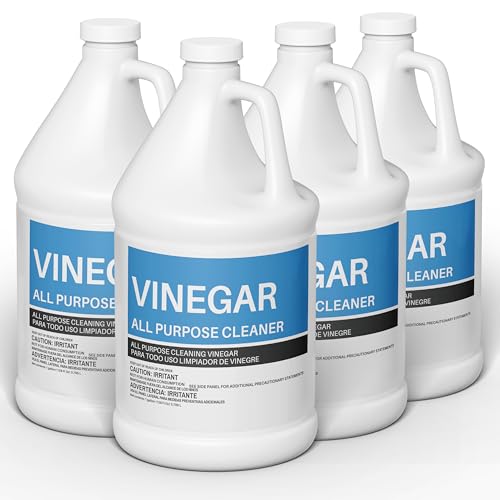
For immediate results, I recommend creating a mixture of one part water and one part white vinegar. Dampen a soft cloth with this solution, then gently wipe the affected areas of the piece. The acetic acid in vinegar effectively neutralizes microorganisms without damaging the original finish.
After initial treatment, it’s vital to ensure proper drying. I place my treasured items in a cool, well-ventilated area, away from direct sunlight or heat sources. This minimizes the risk of further damage and promotes healthy air circulation around the wood.


Should the issue persist, a paste made from baking soda and water can be applied lightly. This natural abrasive helps to lift persistent stains without scratching the surface. Apply with a soft brush, allowing it to sit briefly before wiping it away carefully.
To protect and maintain the longevity of my cherished items, I finish the process by applying a high-quality furniture polish or beeswax. This not only enhances the wood’s luster but also creates a protective barrier against future issues, ensuring these heirlooms continue to shine for generations to come.
Cleaning Antique Pieces from Unwanted Growth
Mix equal parts of white vinegar and water in a spray bottle. Lightly mist the affected areas without saturating the surface. Allow it to sit for about 10 minutes to penetrate.
Using a soft-bristle brush or a microfiber cloth, gently scrub the area in the direction of the grain. This minimizes damage while effectively removing the unwanted growth. Rinse the cloth frequently to avoid spreading spores.
Post-Cleaning Treatment
After the scrubbing, wipe the area with a damp cloth to remove any residual solution. Then, dry the surface thoroughly with a clean, dry cloth. This step is crucial to prevent moisture buildup.
Protective Measures
Consider applying a mixture of beeswax and orange oil after the cleaning process. This will not only nourish the surface but also create a barrier against future infestations.
| Supplies Needed | Purpose |
|---|---|
| White Vinegar | Natural disinfectant |
| Water | Dilution agent |
| Soft-Bristle Brush | Gentle scrubbing |
| Microfiber Cloth | Wiping |
| Beeswax | Protection and nourishment |
| Orange Oil | Fragrance and additional barrier |
Identify the Type of Contamination on Your Items
Determining the specific type of contamination is crucial for appropriate remediation. Take the following steps to classifying the issues present:
Visual Inspection
- Examine the surface for colors ranging from black, green, white, to yellow. These can indicate different varieties of contamination.
- Look for patterns of growth. Spotty patterns may suggest a lighter form, while extensive patches could point to more aggressive issues.
- Assess texture. Smooth patches might indicate some harmless types, while fuzzy or slimy textures often signal more serious concerns.
Odor Detection
- Foul or moldy smells usually indicate a deeper issue that may require immediate attention.
- Subtle earthy odors can also point towards certain types of contamination and warrant further investigation.
After identifying the specific type, use appropriate strategies to address the problem effectively and ensure the longevity of your valued pieces.
Choose the Right Cleaning Solution for Antique Wood
Selecting an appropriate cleaning agent is fundamental. I recommend using a gentle soap solution, mixing mild dish soap with warm water. This combination effectively lifts grime without damaging surfaces.
For stubborn stains, a vinegar solution may work. Mix one part white vinegar to three parts water. Apply with a soft cloth, ensuring not to saturate the material.
If a stronger approach is necessary, consider a specialized cleaner designed for delicate finishes. Always read labels to confirm compatibility with existing finishes and materials.
Test any solution on a hidden area before full application. This step allows you to check for adverse reactions and avoid imperfections on the visible surfaces.
For extensive buildup, a commercial mold remover specifically formulated for vintage pieces can be beneficial. Ensure it’s safe for use on finishes to prevent any damage.
In cases where the furniture has a wax coating, a beeswax or carnauba wax treatment can restore luster after treatment. Use sparingly and buff gently to achieve the desired shine.
Prepare a Safe Cleaning Environment
Ensure adequate ventilation by opening windows and using fans. This helps disperse any airborne spores, minimizing inhalation risks. I set up a dedicated workspace away from living areas, which prevents contamination of household items.
Gather Essential Safety Gear
Protective equipment is non-negotiable. I wear gloves to shield my hands from irritants, and a mask designed to block fine particles. Eye protection is also critical, providing an additional layer of safety while performing tasks. I keep everything within arm’s reach for convenience.
Organize Cleaning Supplies
Before starting, I arrange all necessary cleaning materials. This includes soft cloths, brushes with soft bristles, and a suitable cleaning solution. Having these items organized helps streamline the process. I avoid using abrasive tools, as they can cause damage to delicate surfaces. Below is a simple checklist I use:
| Item | Purpose |
|---|---|
| Gloves | Hand protection |
| Mask | Prevents inhalation of particles |
| Soft cloths | Wiping surfaces without scratching |
| Brushes | Gentle scrubbing of crevices |
| Cleaning solution | Effective removal of discoloration |
Creating a safe and efficient workspace is my first priority to protect both myself and the cherished pieces I’m working on.
Test a Small Area Before Full Application
I recommend starting with a small, inconspicuous section before applying any cleaning agents to the entire piece. This precaution helps determine if the substance will cause discoloration or damage.
Follow these steps for an effective test:
- Select an area that is hidden, like the underside or back of the item.
- Apply a small amount of your chosen cleaning solution using a soft cloth or sponge.
- Gently rub the area and observe the reaction for a few minutes.
- Check for any changes in color, texture, or finish.
If you notice any adverse effects, discontinue use immediately. Trying a different approach may be necessary. If the test area shows no signs of distress, it’s safe to proceed with the rest of the surface. Remember to maintain a gentle touch throughout the process to protect the delicate materials.
Use Proper Tools for Cleaning Antique Surfaces
Choosing the right instruments is critical to preserving delicate heritage pieces. I always select soft-bristle brushes to remove debris without causing scratches. A microfiber cloth is perfect for light dusting, ensuring no fibers are left behind.
Recommended Cleaning Instruments
For stubborn issues, I utilize a gentle sponge or a soft cloth with my chosen solvent. Avoid using abrasive pads or steel wool, as these can damage the finish. An old toothbrush can be handy for intricate carvings or hard-to-reach areas.
Protective Gear
When working with cleaning agents, wearing gloves and a mask is prudent to shield my skin and respiratory system. Additionally, I ensure ample ventilation in my workspace to mitigate any harmful fumes.
By carefully selecting tools and safety measures, I maintain the integrity of my cherished pieces while effectively addressing issues.
Apply the Cleaning Solution Carefully
Using a soft cloth or sponge, I gently apply the prepared mixture to the affected areas. It’s crucial to avoid soaking the surface; a light touch ensures the integrity of the finish is preserved. I always work in small sections, applying the solution in a circular motion to lift the unwanted substance without damaging the underlying material.
After applying, I let the solution sit for a few minutes. This provides adequate time for the mixture to penetrate and break down the unwanted growth. I keep a close eye on the wood during this time to prevent any adverse reactions, like discoloration or warping.
Once the wait is over, I take a clean, damp cloth to gently wipe away the solution, ensuring I remove all residues. It’s important to rinse the cloth frequently to avoid spreading any remnants. The final step involves drying the area thoroughly with a dry cloth to prevent moisture from seeping into the wood.
Dry the Wood Furniture Thoroughly
To maintain the integrity of the pieces, it is crucial to ensure they are completely dried after treatment. Excess moisture can lead to further issues, compromising the quality of the surface.
Steps for Drying
- Use absorbent cloths to gently pat the surfaces. Avoid vigorous rubbing to prevent damage.
- Set the items in a well-ventilated area. Proper air circulation accelerates the drying process.
- If possible, use a fan to enhance airflow around the surfaces. Position it at a safe distance to avoid direct streams of air that could create uneven drying.
- Avoid direct sunlight, which can warp and cause fading. Stick to shaded, airy environments.
Check for Residual Moisture
After drying, I regularly inspect for damp areas. A moisture meter can be beneficial for accurate readings. Once I confirm it’s properly dried, I can proceed to protect and maintain the surfaces with appropriate finishes.
Prevent Future Growth on Classic Surfaces
To keep cherished pieces in pristine condition, maintaining optimal indoor humidity levels between 40-60% is essential. Utilize a hygrometer to monitor the environment and consider using a dehumidifier in damp areas.
Optimal Placement
Avoid placing treasures in direct sunlight, as UV rays can deteriorate finishes. Position items away from heating vents and air conditioning units to reduce extreme temperature fluctuations and moisture buildup.
Regular Inspections
Conduct thorough checks every few months. Look for early signs of discoloration or unusual smells, which may indicate dampness. Addressing these issues promptly will help avert more significant complications.
Applying a specialized wax or a quality sealant designed for vintage items can offer additional protection against moisture. This technique not only enhances the aesthetic but also creates a barrier from environmental threats.
Lastly, ensuring adequate ventilation in display areas will help inhibit the growth of spores. Open windows when possible and consider using fans to improve air circulation.
Recognize When to Seek Professional Help
If the infestation is extensive or has penetrated deep into the structure, it’s time to consider expert assistance. High levels of contamination can affect the integrity of your valuable piece, making it risky to tackle alone.
Persistent discoloration or odors that don’t improve with DIY methods indicate that more sophisticated techniques are necessary. Specialists use advanced equipment and solutions to treat severe cases effectively.
Additionally, if you notice health issues arising, such as respiratory problems or skin irritation while working on the item, halting the process and calling a professional is wise.
Historical significance should also guide your decision; items of considerable value may benefit more from a trained technician’s care rather than a trial-and-error approach.
When unsure about the best course of action or lacking confidence in your skills, reaching out to experts ensures both safety and preservation of your treasured possessions.


