
 Caleb Turner

To achieve a successful outcome, I recommend using a solution of white vinegar and water. Mix equal parts of both components in a spray bottle for ease of application. Vinegar is effective due to its natural antifungal properties and will not damage the surface of most materials while helping to eliminate the unwanted residue.
Prior to starting the treatment, ensure the area is well-ventilated to prevent inhalation of spores. Spray the affected areas generously and allow the solution to sit for at least 30 minutes. This waiting period allows the vinegar to penetrate and act on the underlying issue.
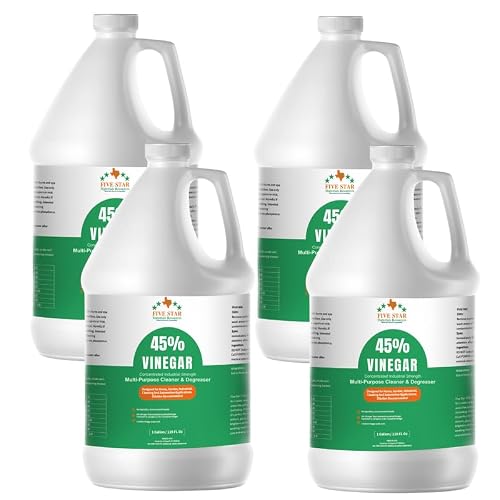


After the waiting time, gently scrub the surface with a soft brush or cloth. Be careful to avoid abrasive materials that could cause scratches. For more stubborn deposits, repeating the procedure may be necessary before the surface returns to its original state.
Once the task is complete, wipe down the area with a clean damp cloth to remove any residue and then dry thoroughly. This step is critical, as moisture can lead to regrowth. To further prevent future occurrences, consider placing dehumidifiers in damp areas and regularly inspecting your belongings.
Removing Unwanted Growth from Surfaces
Begin with a solution of water and white vinegar in equal parts. Apply this mixture to the affected areas using a spray bottle or a soft cloth. Allow it to sit for about 10-15 minutes to penetrate the structure.
Next, use a soft brush to scrub the impacted regions gently. A toothbrush can work well for small crevices. Ensure you don’t apply too much pressure to avoid damaging the material.
Choosing the Right Tools
- Soft brushes
- Microfiber cloths
- Sponge
After scrubbing, wipe the area with a clean, damp cloth to remove any residue from the solution. Make sure to dry the surface with a towel or let it air dry completely.
Preventative Measures
To minimize future occurrences, consider applying a preventative treatment. Vinegar can act as a deterrent, so you may want to use it regularly on surfaces prone to issues. Keeping the area well-ventilated and reducing humidity also helps significantly.
- Maintain ventilation in rooms
- Store items in a dry environment
- Use dehumidifiers if necessary
Assessing the Type of Furniture and Mold Growth
Identify the material composition before proceeding with remediation steps. Each type influences the approach drastically.
- Wood: Examine for surface patches or darker areas. If findings are extensive, consider the risk of structural damage.
- Upholstered Items: Fabrics may trap spores and humidity. Look for discoloration or dampness within seams.
- Metal: Rust formation may indicate moisture problems. Check for rust spots or corrosion.
- Glass: Less prone to infestation but inspect for any residue around frames or edges.
Consider the location as well. High humidity areas, like basements or attics, may require specific attention during inspection.
Next, determine the extent of the infestation. Is it superficial affecting just the surface, or does it penetrate deeper? The latter often necessitates professional evaluation.
- Surface Growth: Often removable with appropriate cleaning agents.
- Deeper Infestation: May indicate the need for replacing entire elements of the piece.
Before any intervention, prioritize personal safety. Use suitable protective gear such as gloves and masks to avoid inhalation of spores.
Gathering Necessary Cleaning Supplies
For tackling unwanted growth on surfaces, assemble the following items:
Cleaning Agents
A broad-spectrum household cleaner equipped with antimicrobial properties is key. Alternatively, white vinegar or a solution of water mixed with baking soda offers natural efficacy. Choose products that specifically target organic residues.
Tools and Protective Gear
Include the following items in your toolkit:
| Item | Purpose |
|---|---|
| Gloves | Protects skin from irritants |
| Mask | Prevents inhalation of spores |
| Sponge | Effective for scrubbing surfaces |
| Soft Brush | Reaches into crevices |
| Buckets | Used for mixing solutions |
| Cloth Rags | Drying and wiping down |
Having these supplies on hand will facilitate a more thorough and organized approach to restoring your items.
Preparing the Area and Protecting Surroundings
Clear the space around the item you plan to treat. Move nearby objects at least six feet away to prevent contamination. If the piece is heavy, use a drop cloth or plastic sheeting to cover the surrounding area, ensuring that no spores scatter during the process.
Ensure proper ventilation whenever possible. Open windows and doors to allow fresh air to circulate. If indoors, use fans to promote airflow, but avoid direct blowing on the surface being treated to prevent spreading.
Wear protective gear, including gloves, goggles, and a mask, to safeguard against inhalation and skin contact. Consider using disposable items to minimize contamination risks and easily manage waste afterward.
Seal the area with plastic sheeting or tape, especially in rooms with carpets or valuable items. This helps contain any debris or particles generated during treatment. Be diligent in monitoring the space, especially if children or pets are present.
Assess lighting conditions. If needed, provide adequate illumination to thoroughly evaluate the affected area without missing any spots. This approach allows for a more accurate assessment while working.
Make a secondary space for temporary storage of any items displaced during the process. This will help keep the work area organized while minimizing the risk of cross-contamination.
Removing Mold from Fabric Upholstery
First, I create a mixture of equal parts water and white vinegar in a spray bottle. I lightly mist the affected area, ensuring not to saturate the fabric excessively. This solution helps to tackle the organism while being gentle on the fibers.
Next, I use a soft-bristled brush or a cloth to gently scrub the surface. Working in circular motions lifts the substance without damaging the material. If needed, I may add a drop of dish soap to the mixture for extra cleaning power.
Rinsing and Drying
After scrubbing, I dampen a separate cloth with plain water and wipe away any residue from the solution. It’s essential to remove all traces to avoid a sticky after-feel. I then place the item in a well-ventilated area or use fans to speed up drying. This step is crucial to prevent further growth.
Applying a Protective Barrier
Once dry, I consider applying a fabric protector spray to add a layer of defense against moisture and future infestations. This product helps maintain the integrity of the upholstery and can be reapplied as needed.
Cleaning Mold from Wooden Surfaces
I recommend using a mixture of water and white vinegar in a spray bottle to tackle the issue on wooden surfaces. Spray the solution directly onto the affected area and let it sit for about 10-15 minutes.
After allowing the solution to penetrate, use a soft-bristle brush or a cloth to gently scrub the area. Avoid using abrasive materials, as they can damage the finish of the wood.
Drying the Surface
Once scrubbing is complete, wipe the area with a clean, damp cloth to remove any remaining residue. It’s crucial to dry the wood immediately with a clean towel to prevent new growth from starting. If possible, place the item in a well-ventilated area or use a fan to aid in drying.
Protective Measures
After ensuring the surface is dry, consider applying a wood sealant to offer future protection. This helps create a barrier against moisture and reduces the likelihood of recurrence. Regularly check for signs of dampness, as early intervention can prevent larger problems later.
Using Natural Remedies vs. Commercial Cleaners
When tackling unwanted spores, I often consider natural solutions like vinegar and baking soda. Vinegar’s acidity effectively neutralizes many types of fungi while being safe for most surfaces. A simple spray application can make a significant difference without introducing harsh chemicals into my home. Baking soda, on the other hand, acts as a mild abrasive, making it suitable for scrubbing tasks on tougher surfaces.
Commercial cleaners present a powerful alternative. Their formulations are designed with strong biocides that target and eliminate various types of fungi quickly. However, I keep in mind the need for ventilation and personal safety when using these products. Many contain toxic substances that can pose health risks if proper precautions aren’t taken.
In my experience, combining both approaches can enhance outcomes. I start with natural methods for routine maintenance, applying vinegar or baking soda to areas prone to unwanted growth. For more persistent issues, I follow up with a targeted commercial solution, ensuring I adhere to the manufacturer’s instructions for safe use.
Ultimately, the choice depends on the furniture’s material and the extent of the problem. I assess each situation, weighing the benefits of natural remedies against the quick action of store-bought cleaners. This balanced approach allows me to effectively manage issues while maintaining a safe environment.
Preventing Future Growth in Furnishings
Maintain optimal humidity levels within your living space, ideally between 30-50%. Utilize a dehumidifier in particularly humid environments. Regularly check and repair leaks in plumbing or walls to eliminate moisture sources.
Ensure proper ventilation in areas prone to dampness, such as basements and bathrooms. Open windows frequently and consider installing exhaust fans to promote airflow.
Regularly clean and vacuum upholstery and other surfaces with a vacuum equipped with a HEPA filter. This helps to remove potential spores before they can settle and proliferate.
Store items in a manner that allows air circulation. Avoid overcrowding closets and storage spaces, and utilize breathable bags for clothing and textiles.
Opt for materials treated with protective coatings that resist dampness. For instance, select fabrics designed to repel moisture for upholstered pieces.
Periodically inspect all items for early signs of proliferation. Catching it early minimizes larger infestations and preserves the integrity of your belongings.
Use natural deterrents like essential oils with antifungal properties, such as tea tree or lavender oil, to keep unwanted invaders at bay. Additionally, baking soda is a helpful agent, as it absorbs excess moisture when placed in strategic areas.


