
 Caleb Turner
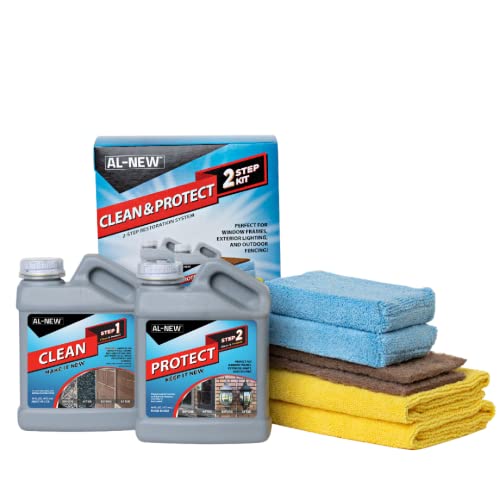
First, gather your materials: a soft brush, water, and a suitable cleaning solution, like a blend of soap and vinegar. These items work wonders in combating unwanted residues. Ensure you have gloves on to protect your skin while working.
Next, take the cushions outside to an area with good ventilation. It’s beneficial to shake them lightly to remove loose debris. After that, dampen the surface lightly, applying the cleaning mixture with a brush in gentle, circular motions. This approach ensures even coverage without damaging the fabric.
For tougher areas, consider using a scrub pad specifically designed for delicate surfaces, but be cautious not to apply too much pressure. After treatment, rinse thoroughly with a hose to eliminate all residues of the solution and allow them to dry in ample sunlight, which naturally aids in killing any lingering spores.
Regular maintenance is key; ensure to inspect these covers periodically, as timely action can prevent growth from becoming a larger issue.
Strategies for Eliminating Fungi from Outdoor Seating Fabrics
I recommend taking immediate action to tackle stubborn spores using a mixture of water and white vinegar. Combine equal parts in a spray bottle for a potent solution.


Follow these steps for efficient treatment:
- Remove the cushions from their seating frames.
- Spray the affected areas generously with the vinegar solution.
- Allow it to sit for 15-20 minutes to work effectively.
- Scrub the surface gently with a soft brush, focusing on heavily soiled spots.
- Rinse thoroughly with water to remove any residue, ensuring no liquid remains.
- Expose the cushions to direct sunlight, allowing them to dry completely.
For persistent stains, create a paste of baking soda and water. Apply it to the targeted areas, let it sit for half an hour, and then scrub gently before rinsing.
Regular maintenance is key. Consider using a fabric protector after successful treatment to prevent future infestations. Simply spray the protector once cushions are dry, ensuring even coverage.
Always test solutions on a small, hidden area first to ensure fabric integrity remains intact. This proactive approach will prolong the life of your outdoor seating accessories.
Identify the Type of Material for Your Cushions
To determine the best approach for remediation, first, figure out the fabric composition of your soft seat covers. This influences the cleaning method and solutions I can use.
- Canvas: Typically sturdy, canvas can withstand harsher products. Test a small area first if using stronger agents.
- Polyester: This synthetic option is durable but may require gentle solutions to avoid damage. Mild soap and water work well.
- Acrylic: Often used for outdoor padding, acrylic is fade-resistant and can handle stronger cleaners. Rinse thoroughly afterward.
- Stock fabric: Explore the manufacturer’s specifications; some may have special care requirements to preserve coloring and integrity.
- Wicker or Rattan: If cushions are integrated with these materials, avoid excessive moisture to prevent warping or deterioration.
Identifying the material type allows me to select the right cleaning agents and techniques, ensuring preserving effectiveness without causing harm to the fabric.
Gather Necessary Cleaning Supplies
Collect the following items to tackle the situation effectively. You’ll need a soft-bristle brush to gently scrub the surfaces without causing damage.
Prepare a bucket for mixing solutions. Use warm water to enhance effectiveness. A mild detergent or a specialized outdoor fabric cleaner should be included; check labels to ensure compatibility with your materials.
Include a spray bottle for easy application of cleaning solutions. White vinegar can be an effective natural option. Additionally, consider having a sponge or cloth handy for wiping down after scrubbing.
Protect your hands with rubber gloves and consider a mask if working in a poorly ventilated area. Having a hose nearby simplifies rinsing. Ensure ample sunlight during the process, as UV rays can aid in deterring any remaining spores.
Perform a Preliminary Dusting of the Cushions
Begin with a gentle shake of the upholstery to dislodge any loose dirt or debris. Taking the cushions outside allows for easy handling and prevents particles from settling indoors. For those particularly stubborn areas, a soft brush or a hand broom can effectively sweep away unwanted residues.
Next, utilize a vacuum cleaner equipped with an upholstery attachment. This step ensures thorough extraction of dust that might cling to the fabric fibers. Focus on seams and crevices where particles tend to accumulate. Regularly empty the vacuum to maintain its suction power during the process.
Once you’ve removed surface remnants, evaluate the cushions’ surface for any signs of staining or discoloration. This preliminary dusting sets the stage for a more focused treatment later on, ensuring that the following steps proceed smoothly.
Prepare a Cleaning Solution for Mold Removal
For effective eradication of unwanted spores, I combine equal parts of white vinegar and water in a spray bottle. This mixture serves as a natural agent that targets lingering stains and unpleasant odors. To enhance the potency, I sometimes add a few drops of dish soap, which aids in loosening debris.
Alternative Solutions
If I encounter severe cases, I opt for a solution of hydrogen peroxide, using a 3% concentration mixed with water. This blend not only tackles discoloration but also provides a disinfecting effect. I apply it generously, allowing it to dwell on the affected areas for about 10-15 minutes.
Test Before Use
Before I proceed, it’s wise to test the cleaning agent on a small, inconspicuous area to ensure it does not cause damage or discoloration to the fabric. Once confirmed, I feel more confident in applying it to the entire surface as needed.
Test the Cleaning Solution on a Small Area
I always begin by applying the prepared cleaning mixture to a discreet section of the fabric. This initial test helps ensure that the solution won’t cause any discoloration or damage. After applying, I wait a few minutes to observe any changes. If the area maintains its original color and texture, it’s safe to proceed.
If any adverse reactions are noticed, such as fading or fabric degradation, I modify the mixture or try an alternative. Once satisfied with the test patch, I confidently move on to treat the entire surface.
Apply the Cleaning Solution and Scrub the Affected Areas
I saturate a clean cloth or sponge with the prepared mixture, ensuring it’s not dripping but damp enough to effectively penetrate the surface. Carefully blot the stained regions, allowing the solution to dwell for several minutes to break down the spores and discoloration.
Scrubbing Technique
Using a soft-bristle brush, I gently scrub the targeted spots in a circular motion. This approach helps lift the unwanted elements without damaging the fabric. For persistent areas, I apply a bit more solution periodically, keeping the surface moist as I work through the entire cushion. I maintain a consistent yet gentle pressure to avoid abrasion.
Rinse and Evaluate
After I’ve thoroughly scrubbed, I rinse with clean water using a hose or damp cloth. Observing the results while rinsing allows me to determine if further treatment is needed. If any discoloration remains, I may reapply the cleaning solution and repeat the scrubbing as necessary.
Rinse Thoroughly and Remove Excess Water
After application of the cleaning solution, ensure to rinse the items thoroughly with clean water. Utilize a garden hose with a spray nozzle set to a gentle mist. This prevents any residue from remaining on the surfaces, which could lead to new growth. Pay special attention to seams and crevices where debris may linger.
Techniques for Efficient Rinsing
Position the cushions vertically to allow gravity to aid in draining. As you spray, move systematically from the top to the bottom, ensuring that every inch receives water. For stubborn areas, a soft brush can help dislodge any trapped solution during the rinsing phase. After rinsing, gently squeeze the foam or filling to expel excess moisture without causing damage.
Drying Process
Once rinsed, set the items in a well-ventilated area to air dry completely. If feasible, place them in direct sunlight, as UV rays assist in inhibiting further growth. Periodically check the cushions, flipping them over to ensure all sides dry evenly. Avoid using a dryer, as high heat can compromise the materials.
Dry the Cushions Completely to Prevent Mold Recurrence
After addressing the issue, it’s crucial to ensure that the cushions are thoroughly dried to avoid future growth. Start by placing them in direct sunlight, which not only aids in drying but also helps eliminate any residual spores. If possible, prop them up to allow air circulation on all sides.
Use a Fan or Dehumidifier
In case of humidity or if sunlight is insufficient, consider using a fan or a dehumidifier. These tools can effectively reduce moisture in the air, assisting in the drying process. Make sure the environment remains well-ventilated to enhance airflow around the items.
Regular Maintenance
Incorporate regular checks and maintenance into your routine. Periodically inspect for any signs of dampness or discoloration. If detected early, you can address such issues before they escalate, preserving the quality and longevity of your outdoor seating accessories.
Maintain Cleanliness with Regular Care Tips
I recommend a bi-weekly maintenance routine, ensuring surfaces stay clear of debris. Utilize a soft brush or handheld vacuum to prevent build-up.
After inclement weather, promptly wipe down surfaces with a damp cloth. This helps to remove moisture and dirt, reducing the chance of unwanted growth.
Consider storing items in a dry, covered area during extreme weather or the off-season. This limits exposure to humidity and elements that encourage infestation.
For longevity, select high-quality protective covers tailored to your items. These should allow for air circulation while safeguarding against moisture.
During regular inspections, check for any signs of discoloration or damage. Early detection allows for timely intervention and preserves the appearance of your seating.
Using a fan or placing items in a well-ventilated area after cleaning can assist in reducing moisture retention, aiding in the drying process.
Lastly, treat items with a fabric protector specifically designed for outdoor materials. This creates a resistant layer, making future upkeep easier and more effective.


