
 Caleb Turner
Using a mixture of vinegar and baking soda produces remarkable results on delicate pieces. Combine equal parts of distilled white vinegar with water, then add a few tablespoons of baking soda. Gently apply the solution to the affected area with a soft cloth, resulting in a natural scrub that lifts blemishes without damaging the finish.
After treating the surface, rinse with a damp cloth to eliminate any residue. Ensure the item is completely dry before placing it back in its original setting, as moisture can lead to further issues. For stubborn spots, consider repeating this process or using a commercial solution specifically designed for historical materials, always testing it on an inconspicuous area first.
To prevent future occurrences, maintain a stable indoor climate with low humidity and proper ventilation. Regularly dust and inspect your valuable pieces to catch any signs of trouble before it escalates.


Cleaning Mildew from Vintage Wooden Pieces
I recommend using a solution of distilled white vinegar and water in a 1:1 ratio. Soak a soft cloth in this mixture and gently wipe the affected surfaces. Vinegar not only eliminates mold but also acts as a natural disinfectant.
After application, let it sit for a few minutes to penetrate the fibers. Then, use a dry, lint-free cloth to absorb any excess moisture and prevent damage. Avoid saturating the wood, as this can lead to warping.
If the stain persists, consider using a mixture of baking soda and water to form a paste. Apply it to the area with a soft brush, working gently to avoid scratching. Rinse the brush frequently to wash away the residue.
After treatment, it’s crucial to allow the piece to air dry completely in a well-ventilated area, ideally away from direct sunlight which can cause fading.
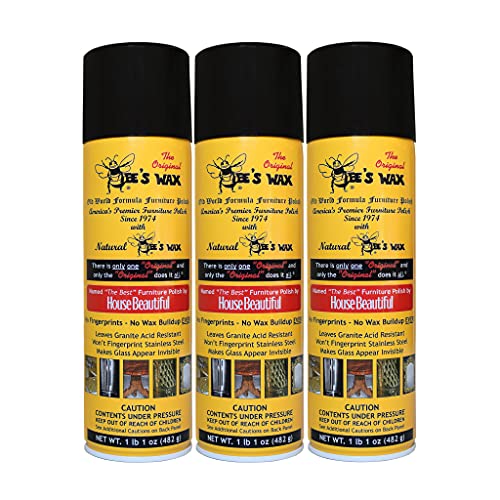
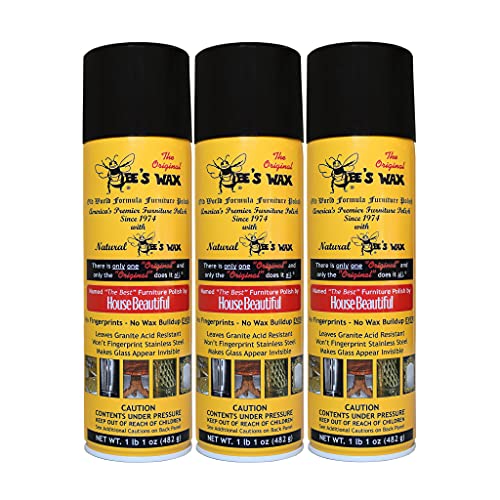
To maintain the condition of the item, apply a high-quality furniture polish or beeswax after cleaning. This not only restores shine but also creates a barrier against future growth.
Regularly checking and cleaning your cherished items can help prevent recurrence. Consider storing pieces in a climate-controlled space to reduce humidity exposure.
Identify the Type of Mildew Present
To determine the form of fungal growth, closely examine the affected area. Common types include powdery mildew, which appears as white or grayish powder and is often flat; and downy mildew, which has a more fuzzy texture and may display yellow or brown patches beneath. Both types originate from moisture and can harm the surface finish.
Visual Inspection
Inspect for color variations and surface texture. Light-colored species are usually easier to spot but still may blend with the surface. Darker variants can indicate a more serious issue, requiring immediate attention. Look for spots or patches that appear fuzzy or discolored, which can help in identifying the specific type.
Smell Test
Fungi often emit a distinctive musty odor. If the area gives off an unusual scent, this could signal an underlying problem worthy of further inspection. Pay attention to any significant change in smell, particularly in enclosed spaces, as it may be an early indicator of a fungal issue.
Gather Necessary Cleaning Supplies
I recommend assembling the following items for an effective removal process: a soft-bristle brush for gentle scrubbing, microfiber cloths to avoid scratches, and a vacuum cleaner equipped with a brush attachment to eliminate loose spores. Additionally, a mixture of water and distilled white vinegar serves as a natural agent for combating stubborn stains. I also find a small bucket handy for mixing cleaning solutions.
Consider using gloves to protect your hands, as well as a face mask if you’re sensitive to allergens. A spray bottle is useful for applying solutions uniformly. For deep-set issues, a specialized wood preservative or conditioner may also come in handy after treatment to restore the surface and protect it against future problems.
Having these supplies on hand ensures a thorough approach while safeguarding the integrity of the piece. Always test any solution on an inconspicuous area first to ensure compatibility with the finish.
Test Cleaning Solution on a Small Area
Before proceeding with a full application of your chosen cleaning mixture, it’s crucial to perform a patch test. Select an inconspicuous section of the item, ideally on the underside or back where it’s less visible. Apply a small amount of the solution using a clean, soft cloth.
Observe for Reactions
Monitor the area for any adverse reactions over a few minutes. Look for changes in color, texture, or finish. If the wood seems unaffected, proceed cautiously with the rest of the object, maintaining the same gentle approach.
Adjusting the Mixture
If discoloration or damage appears during the test, consider diluting the solution further or switching to a gentler alternative. The goal is to ensure safety and preservation while addressing the issue effectively.
Apply Cleaning Solution Carefully
Before applying any mixture, I always ensure that it’s been tested on an inconspicuous area. After confirming its safety, I proceed with caution. I dip a soft cloth into the solution, wringing it out well to avoid excess moisture that might seep into the grain.
I gently wipe the affected areas, using a circular motion to lift any buildup without damaging the surface. I keep a separate clean cloth nearby to immediately blot away any residues that remain.
It’s important for me to work in small sections, which allows me to monitor the response of the material closely without overwhelming it. If I notice any discoloration or adverse reaction, I stop immediately. After treating each section, I take the time to rinse my cloth in clean water to remove any lingering solution before continuing.
| Step | Action |
|---|---|
| 1 | Test the solution on a hidden spot. |
| 2 | Soak a cloth lightly in the cleaning mixture. |
| 3 | Gently wipe affected spots in a circular motion. |
| 4 | Blot any excess liquid immediately with a clean cloth. |
| 5 | Rinse cloth regularly while working. |
By taking these steps meticulously, I protect the integrity of my treasured pieces while effectively treating them.
Remove Mildew with Soft Bristle Brush
I recommend using a soft bristle brush to gently remove any fungal growth. Select a brush with non-abrasive bristles to avoid scratching the surface. Carefully work the bristles in a circular motion to avoid damaging the underlying finish.
Technique
Start at one corner and gradually move across the surface, ensuring even coverage. Maintain a light hand to dislodge spores without embedding them deeper into the grain. If necessary, brush along the grain to enhance effectiveness.
Post-Cleaning Care
After brushing, inspect the area for any remaining spots. If needed, repeat the process until the surface appears free from any growth. I suggest wiping the area with a dry, soft cloth to remove any loose particles after brushing.
Rinse and Dry the Furniture Properly
After applying the cleaning solution, ensure a thorough rinse to remove any leftover residue. I use a soft cloth dampened with clean water, gently wiping down all surfaces. It’s crucial not to oversaturate the material; excess moisture can lead to further damage.
Steps for Rinsing
- Use distilled water to avoid mineral spots.
- Work in small sections to control the moisture applied.
- Do a final wipe with a dry, clean cloth to absorb any residual dampness.
After rinsing, drying is essential to prevent mold from returning. I place the item in a well-ventilated area away from direct sunlight, which can warp or fade the finish. If possible, a fan can aid in the drying process.
Tips for Drying
- Use a soft, lint-free cloth to pat surfaces dry first.
- Avoid using heat sources like hair dryers, which can cause damage.
- Check crevices for moisture that may linger and address them carefully.
Once completely dry, inspect the piece closely for any remaining spots or signs of needed reconditioning to preserve its integrity.
Use Wood Conditioner After Cleaning
Applying a wood conditioner is crucial for restoring the luster of your valuable items after decontaminating them. This step nourishes the surface, ensuring it remains hydrated and less prone to future damage.
Steps to Apply Wood Conditioner
- Choose a high-quality conditioner that suits the specific type of finish on your pieces.
- Use a soft, lint-free cloth to apply the conditioner evenly, working in the direction of the grain.
- Allow the conditioner to penetrate the surface for the time recommended by the manufacturer, usually around 15-30 minutes.
- Wipe off any excess product with a clean cloth to avoid a greasy finish.
Regular conditioning can enhance the longevity of your items, providing a barrier against future contamination while maintaining their appearance. Make this part of your care routine to preserve their beauty and integrity.
Prevent Future Mildew Growth
To stop future development of unwanted fungi on my vintage pieces, I ensure that the location where I store them has good air circulation. I employ dehumidifiers in damp rooms and keep windows opened during dry weather to reduce moisture levels. Regularly monitoring humidity levels is key, aiming for a range of 30-50%.
Utilize Protective Covers
I opt for breathable fabric covers to shield my heirlooms from dust and moisture while allowing airflow. Plastic wraps can trap moisture, so I avoid those. Periodically, I remove these protective layers to inspect the condition of the items.
Maintain a Clean Environment
I regularly dust and clean the surrounding areas with suitable products to keep potential spores at bay. Vacuuming with a HEPA filter helps capture microscopic particles, preventing them from settling on my treasured possessions.


