Caleb Turner

To achieve a pristine look for your outdoor seating, I recommend beginning with a soft brush. This allows you to dislodge any loose dirt or debris effectively. Focus on the crevices where grime tends to accumulate, ensuring every corner is addressed.
Follow up with a mixture of warm water and mild soap. Using a sponge, gently wipe down the surfaces. This not only removes stubborn stains but also helps preserve the original finish. Rinse the area thoroughly with clean water to avoid any soap residue that might affect the materials.
After cleaning, it’s crucial to let the pieces dry completely. I often place them in a shaded area during dry weather. This helps prevent warping or damage from direct sunlight. Store cushions and fabric elements indoors to prolong their lifespan and maintain their fresh appearance.
Gathering the Necessary Cleaning Supplies
I prefer to gather the following items before starting the restoration process:

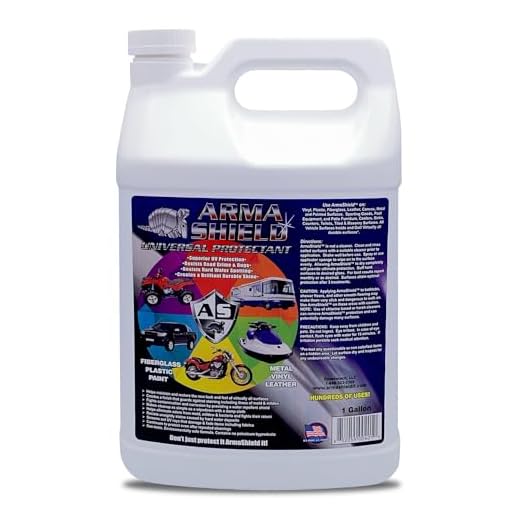
- Soft-bristle brush: Ideal for dislodging dirt and dust without causing damage.
- Microfiber cloths: Helps in wiping surfaces without leaving lint behind.
- Warm soapy water: A mixture of mild detergent and water is effective for most cleaning tasks.
- Vinegar solution: Combine equal parts vinegar and water for tough stains and grime.
- Toothbrush: Useful for reaching tight spaces or intricate designs.
- Spray bottle: Convenient for applying cleaning solutions evenly.
- Wood conditioner: To restore moisture and protect the finish after cleaning.
Having these supplies on hand ensures a smoother experience, allowing me to address various issues efficiently. I can then tackle dirt, stains, and any maintenance needed to keep everything in optimal condition.
Dusting and Removing Loose Debris from Wicker
To maintain the appearance of my woven pieces, I prioritize regular dusting to eliminate loose debris. I use a soft, dry microfiber cloth or a feather duster, gently wiping the surfaces to avoid snagging the fibers. Starting from the top and moving downward ensures that I capture all the particles without redistributing them.
Tools & Techniques
For intricate designs, I employ a vacuum cleaner with a brush attachment. This helps in accessing tight spots while preventing damage. I set the suction to a low power to avoid pulling on the strands. When using this method, I move slowly, allowing the vacuum to effectively capture dust without risking my items.
| Tool | Usage Instructions |
|---|---|
| Microfiber Cloth | Gently wipe surfaces in a downward motion to gather dust. |
| Feather Duster | Use to sweep across intricate areas, ensuring no debris remains. |
| Vacuum with Brush Attachment | Run slowly over surfaces at low suction to remove particles. |
After removing visible particles, I inspect for any remaining dirt caught in crevices. If necessary, I lightly dampen my cloth with water and go over affected areas, ensuring I do not soak the material. Allowing the item to air dry afterward helps maintain its integrity.
Preparing a Suitable Cleaning Solution
For an effective wash, I combine a mix of warm water with a few drops of mild dish soap. This gentle approach ensures that no harsh chemicals harm the materials. I stir the solution well until it creates a light suds layer, which indicates it’s ready for use.
If the surface requires deeper treatment, I may add a splash of white vinegar to the mix. It naturally breaks down grime and adds antibacterial properties without leaving strong smells.
Using this solution, I avoid soaking any part directly, keeping moisture exposure minimal to prevent damage. Employing a soft cloth or sponge, I dip it into the soapy mixture and wring it gently before application. This technique guarantees a thorough clean without excess water.
Before proceeding with actual cleaning, I do a test on a small, inconspicuous area. This precaution ensures the solution is safe and suitable for the specific textures involved.
Applying the Cleaning Solution Safely
Before using the cleaning mixture, make sure to test it on a small, inconspicuous area to check for any adverse reactions. Apply the solution with a soft cloth or sponge, avoiding excessive saturation that could harm the underlying material. This keeps the surface from absorbing too much liquid, which can lead to damage over time.
Step-by-step Application
1. Dampen the cloth or sponge with the cleaning agent, ensuring it’s not dripping wet.
2. Gently wipe down the surface in a circular motion to lift dirt and grime without causing scratches.
3. Rinse your cloth frequently to prevent redistributing dirt back onto the surface.
Safety Precautions
Wear gloves to protect your skin, and consider ventilation while applying the solution, especially if it has strong odors. It’s also prudent to keep pets and small children away from the area until everything is dry and safe. Afterward, ensure to thoroughly rinse the area with clean water if recommended by the cleaning product instructions.
By following these guidelines, the application process remains effective while minimizing any potential risks. Always prioritize safety to maintain the integrity of your items.
Drying and Protecting Natural Fiber Seating
After rinsing and wiping down the natural fiber seating, I ensure to dry it properly to prevent mold and mildew. I place the pieces in an area with good air circulation, away from direct sunlight, which can cause fading or warping. For especially humid conditions, I use a fan to enhance airflow around the furniture.
Once the furniture is dry, I apply a protective spray designed for natural fibers. This adds a layer of defense against stains and moisture. It’s crucial to follow the manufacturer’s instructions for application, ensuring an even coat. After the spray has dried, I inspect for any missed spots and apply additional coats as needed.
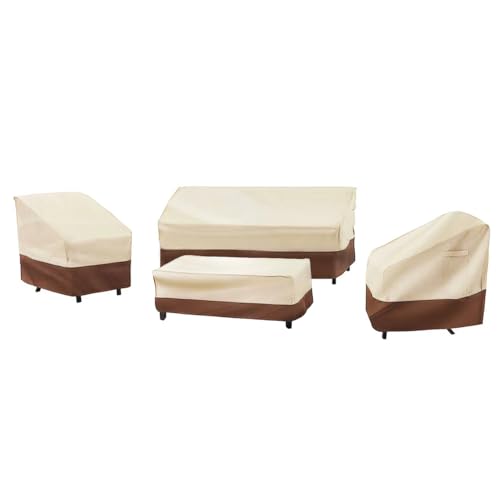
Finally, I recommend covering the items with breathable furniture covers when not in use. This helps shield against dust and environmental factors while allowing moisture to escape, preventing water accumulation that could harm the fibers. Proper storage practices not only prolong the life of the items but also keep them looking their best.
Maintaining Natural Fibers to Prevent Future Dirt Buildup
Regularly assess your items by performing weekly inspections. I find that checking for loose dirt, stains, or any signs of damage can save time later. Use a soft brush or a microfiber cloth to tackle minor debris and dust before it settles in.
Establish a seasonal cleaning routine. I prefer setting reminders to perform a deeper clean every few months. This minimizes the chances of grime buildup and ensures that the items retain their beauty.
Store these items in a dry, cool environment. Exposure to moisture can promote mold growth and attract insects, leading to extensive damage. When possible, consider covering them with protective fabric during off-seasons to shield them from dust and UV light.
Apply a protective spray designed for natural materials every year. This adds a layer of protection against stains and helps maintain a fresh appearance. I recommend testing any product in an inconspicuous area to ensure compatibility.
Position your objects away from direct sunlight to prevent discoloration and drying out. I strategically arrange them to enhance longevity without compromising aesthetics.