
 Caleb Turner
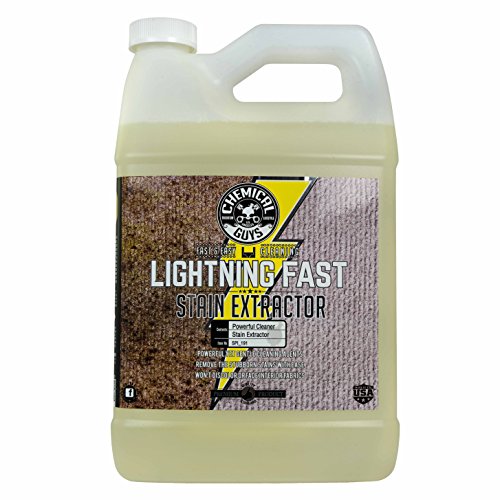
Mix equal parts of white vinegar and water in a spray bottle for an excellent solution to tackle grime and minor stains. Lightly mist the mixture onto a soft, lint-free cloth, then gently wipe the surface. This method not only lifts dirt but also helps maintain the natural sheen of the material.
For deeper conditioning, blend a tablespoon of olive oil with a few drops of essential oil, such as lavender or lemon. Apply this natural conditioner with a clean cloth, rubbing in circular motions. This technique nourishes the surface while imparting a pleasant aroma, ensuring longevity and enhancing the texture.
To remove stubborn spots, create a paste of baking soda and water. Apply it directly to the affected area, allowing it to sit for about 10 minutes before gently buffing it away with a damp cloth. This remedy is particularly useful for grease and stubborn stains, leaving behind a refreshed look.
Cleaning Tips for Upholstered Items
For a straightforward solution, mix equal parts of distilled water and white vinegar in a spray bottle. Lightly mist the surface and wipe with a soft cloth. This combination effectively lifts minor stains without harsh chemicals.


For stubborn spots, blend one part mild dish soap with two parts water. Apply it gently with a damp cloth, ensuring not to oversaturate the material. Wipe away soap residue with a clean, slightly damp cloth afterwards.
For enhanced shine, consider using a mixture of one tablespoon of olive oil and one tablespoon of vinegar. Apply sparingly with a soft cloth and buff gently to restore luster and suppleness.
Always test any solution on a hidden area first to ensure no discoloration occurs. Frequent dusting and vacuuming with a soft brush attachment helps maintain the look and feel of the upholstery.
| Cleaning Agent | Mix Ratio | Application Method |
|---|---|---|
| Water & Vinegar | 1:1 | Light mist and wipe with a soft cloth |
| Dish Soap & Water | 1:2 | Apply with a damp cloth, rinse residue |
| Olive Oil & Vinegar | 1:1 | Apply sparingly, buff to shine |
Understanding Different Types of Leather
To properly maintain and restore your seating, it’s crucial to recognize the types of hides available. Each type has distinct characteristics and care requirements.
Full-Grain
Full-grain is unaltered, retaining the original surface and markings. It’s robust, developing a rich patina over time. For upkeep, using a soft cloth and specialized conditioner will help preserve its natural beauty.
Top-Grain
Top-grain undergoes a process that removes imperfections. It’s more pliable and resistant to stains, making it suitable for households with children or pets. Regularly applying a gentle cleaner followed by a moisturizer will keep this variant looking pristine.
Engineered options often mimic natural textures and may contain synthetic blends. While they may be easier to maintain, they can lack the durability and allure of genuine hides. For these, simple dusting and occasional cleaning with mild soap will suffice.
After identifying the type, tailor your maintenance strategy accordingly for the best results and longevity of your seating pieces.
Choosing Safe Household Cleaners for Leather
Opt for natural solutions like a mix of distilled water and vinegar, using a 1:1 ratio. This gentle concoction effectively removes debris without compromising the material’s integrity.
Avoid commercial cleaners that contain alcohol or ammonia, as these can cause stains and dehydration. Instead, consider olive oil or coconut oil for conditioning; they help maintain suppleness and prevent cracking.
For specific stains, baking soda can be a reliable option. Apply a small amount to absorb oils, let it sit for a while, then brush off gently.
Test any mixture on a hidden area first to ensure no discoloration occurs. Always use a soft cloth to avoid scratching or damaging the surface.
Regular maintenance with mild solutions and conditioning oils will prolong the lifespan of your items, keeping them looking their best without harsh chemicals.
Preparing Your Leather Furniture for Cleaning
Before initiating any maintenance process, I ensure to remove all items from surfaces, such as cushions or decorative pieces, to create an unobstructed area for the task. This step aids in identifying spots and maintaining focus on each section effectively.
I initiate with a gentle dusting using a soft, lint-free cloth. This action eliminates loose dirt and particles that can scratch the material during subsequent actions. I carefully dust every corner to ensure thoroughness.
Next, I inspect for any noticeable stains or marks. For problem areas, I often make note of them, as special attention may be needed later with targeted solutions. If there are crevices or seams, I utilize a soft brush to cleanse these areas without causing damage.
Finally, I test any initial cleaning solution on a small, hidden area before applying it to the visible parts. This precaution helps to prevent unexpected discoloration or adverse reactions. Preparing adequately sets the foundation for successful maintenance and extends the lifespan of the upholstery I cherish.
Step-by-Step Process for Cleaning Leather
To restore the beauty of your upholstery, gather the following items: a microfiber cloth, mild soap, water, and a conditioner designed for treated surfaces. Start the process by gently dusting the item to remove any loose debris.
1. Prepare the Cleaning Solution
Mix a few drops of mild soap with lukewarm water. Ensure the solution is not overly concentrated to avoid any damage.
2. Test in an Inconspicuous Area
Before proceeding, apply the mixture to a hidden section. Wait to see if any discoloration or damage occurs. If all is well, continue with the following steps.
Using the microfiber cloth, dampen it with the solution, ensuring it’s not dripping wet. Wipe the surface gently, focusing on any spots or stains. Follow with a clean, slightly damp cloth to remove any soapy residue.
After cleaning, allow the item to air dry completely out of direct sunlight. For added protection and shine, apply a high-quality conditioner specifically made for the type of skin you have. Work the conditioner in gently with a soft cloth, covering the entire area.
Regular maintenance will help maintain the suppleness and appearance of your upholstery. Wipe spills immediately and keep it dust-free to prevent buildup.
Removing Stains from Leather Surfaces
For a successful approach to tackling marks, I recommend using a mixture of white vinegar and olive oil. Combine equal parts of both in a bowl and apply the solution to a soft cloth. Gently rub the stained area, ensuring the mixture penetrates the material without oversaturating it. This method is particularly effective on water stains and minor scuffs.
For ink stains, I find that rubbing alcohol works wonders. Dampen a cotton ball with the alcohol and carefully dab the affected spot, being cautious not to spread the ink further. After treating the area, I wipe it clean with a damp cloth to remove any residue.
Food-related marks, such as grease or sauce, can be managed with cornstarch. Sprinkle a generous amount over the spot and let it sit for several hours to absorb the oil. Once dried, brush off the cornstarch gently with a soft brush.
In case of stubborn or widespread discoloration, a commercial leather cleaner designed for tough stains may be necessary. Always test any product on an inconspicuous area first to gauge compatibility.
After I’ve treated the surface, I finish with a quality conditioner. This not only hydrates but also helps restore the material’s original luster, ensuring it remains in good condition.
Conditioning After Care
After tidying up surfaces, I always apply a high-quality conditioner designed specifically for this material. This step is non-negotiable for preserving its luster and integrity. I prefer products that include natural oils, such as jojoba or coconut oil, which penetrate deeply and replenish lost moisture.
Application Tips
I take a soft, lint-free cloth, ensuring it’s clean and dry, and apply a small amount of conditioner directly onto the cloth rather than onto the item itself. This prevents oversaturation. Gently rub the conditioner over the surface in circular motions, allowing it to be absorbed evenly. I repeat this process if the surface appears particularly dry.
Frequency and Storage
I condition the material every 3 to 6 months, depending on usage and climate. I keep the conditioner sealed and in a cool, dark place to maintain its effectiveness and extend shelf life. Adhering to these practices secures the longevity and appearance of cherished pieces.
Regular Maintenance Tips for Leather Furniture
To preserve the quality and longevity of my upholstered items, I adhere to a few practical steps:
- Dust regularly using a soft, dry cloth to prevent particles from embedding into the surface.
- Apply a leather conditioner every 6 to 12 months. This keeps the material supple and minimizes cracking.
- Avoid direct sunlight. Positioning these items away from intense light sources prevents fading and drying out.
- Keep humidity levels in check. Ideal indoor conditions should range between 40-60% to maintain moisture balance.
- Use coasters or protective covers to reduce the risk of stains and scratches from everyday use.
- Wipe up spills immediately with a clean, dry cloth to avert stains from setting.
By incorporating these habits into my routine, I find that my possessions maintain their charm and remain in excellent condition over time.
Signs Your Leather Furniture Needs Professional Care
Look for the following signs to determine if it’s time to call in an expert:
- Severe Cracking: If you notice deep fissures that continue to worsen, professional treatment can restore integrity.
- Stubborn Stains: Persistent marks that resist DIY methods typically require specialized cleaning solutions.
- Color Fading: Uniform color loss indicates that the protective finish may need restoration to prevent further deterioration.
- Loss of Shape: Structural changes or sagging suggest underlying issues that skilled technicians can address.
- Odors: Persistent unpleasant smells often signal deeper problems that simple cleaning cannot resolve.
- Visible Tears: Cuts or rips necessitate professional repair to prevent further damage.
- Excessive Dryness: If the surface feels excessively brittle, seeking expert conditioning is advisable.
Acting promptly upon noticing these indicators can prolong the lifespan of your seating solutions and maintain their aesthetic appeal.


