
 Caleb Turner
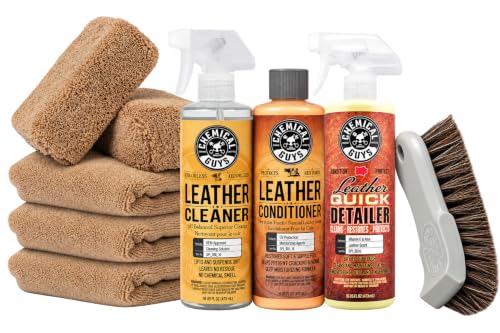
Use a soft cloth or microfiber towel for basic upkeep. Avoid harsh chemicals; instead, opt for a gentle mixture of warm water and a mild soap. Dampen the cloth and gently wipe the surface, ensuring you do not saturate the material. Rinse the cloth in clean water and follow up to remove any soap residue.
For stubborn stains, mix equal parts of vinegar and water. Apply the solution with a cloth, then blot rather than scrub. This technique helps lift the blemish without damaging the finish. After removing the stain, dry the area thoroughly with another clean cloth to avoid moisture buildup.
Regular maintenance is key. Vacuum the surfaces weekly to remove dust and dirt particles. Consider applying a protective spray specifically designed for synthetic materials every few months. This adds a layer of defense against spills and wear, extending the life of your pieces.
Preparing for Cleaning: What You Need
Gather a soft microfiber cloth for dust and dirt removal. This type of fabric prevents scratching while effectively lifting debris from surfaces.


Next, I recommend having a mild soap or specialized cleaner suitable for synthetic materials. Always check the label to ensure it’s safe for the type I’m dealing with.
Keep a spray bottle filled with warm water handy. It’s useful for diluting cleaner and for general wiping down.
A soft-bristled brush can be helpful, especially for cleaning crevices or textured areas. It enables me to reach spots a cloth might miss.
Don’t forget rubber gloves to protect my hands from any cleaning agents. They also help avoid transferring oils or dirt from my hands back onto the surface.
Finally, some towels may be necessary for drying and polishing after cleaning. Using the right materials ensures everything stays in good condition.
Choosing the Right Cleaning Solution for Leatherette
For maintaining upholstery, I recommend opting for a gentle cleaning solution. Products specifically formulated for synthetic materials are ideal. These solutions typically contain mild detergents or surfactants that effectively remove dirt without causing damage.
Homemade Solutions
A mixture of warm water and a few drops of dish soap works well. Test the solution on an inconspicuous area first to ensure no adverse reactions occur. Another effective option is a blend of equal parts vinegar and water, which can help remove stains and odors.
Commercial Products
When selecting a commercial cleaner, look for those labeled as safe for vinyl or faux leather. Many products have added conditioners that can prevent cracking. Always read labels for instructions and dilution ratios. Avoid alcohol-based cleaners, as they can dry out the material and lead to premature wear.
After applying any solution, rinse with a cloth dampened in clean water to remove residues. This step is crucial to prevent buildup, which can affect the material’s appearance over time.
Step-by-Step Guide to Wiping Down Surfaces
Before beginning the actual wiping process, ensure the cleaning solution is ready and the tools are within reach. Follow these precise steps:
- Dust the Surface: Use a dry microfiber cloth to remove loose dirt and dust. This prevents particles from scratching the material during the next steps.
- Test the Solution: Apply a small amount of the chosen cleaner on an inconspicuous area to check for any adverse reactions or discoloration.
- Moisten the Cloth: Dampen a separate microfiber cloth with the cleaning solution. Ensure it’s wet but not dripping to avoid excessive moisture.
- Wipe Gently: Using the damp cloth, start wiping the surfaces in circular motions. Focus on one section at a time to ensure thorough coverage.
- Rinse and Repeat: After covering one area, rinse the cloth in clean water, wring it out, and continue to wipe other sections. This maintains cleanliness and prevents redistribution of dirt.
- Dry the Surface: After wiping all areas, take a dry microfiber cloth and gently buff the surfaces to eliminate any leftover moisture or streaks.
- Inspect Thoroughly: Finally, examine the entire surface to ensure no spots were missed. If necessary, repeat the process on any remaining stains.
By following these detailed steps, the surfaces will look refreshed and well-maintained.
Tackling Stains: Specific Methods for Different Types
For ink marks, a cotton ball soaked in rubbing alcohol can effectively lift the stain. Apply gently, dab the area, and avoid rubbing to prevent spreading.
In case of food spills, a mix of warm water and a few drops of dish soap works wonders. Use a soft cloth, dampen it, and blot the affected area until the residue disappears. Rinse with a clean damp cloth afterward.
Oily stains from grease or cosmetics require cornstarch. Sprinkle directly onto the stain and let it sit for about 15–20 minutes, then brush it off gently. Follow with a cloth dampened in a water-soap mix to remove any remaining residue.
For pet accidents, it’s advisable to use a specialized enzyme cleaner. These break down organic stains and odors. Apply as per the manufacturer’s instructions, ensuring thorough rinsing afterward.
Scuff marks can be tackled with a clean eraser. Gently rub the scuffed area until the mark fades. For stubborn scuffs, try a combination of baking soda and water to form a paste, then apply and wipe away.
Lastly, for dye transfer from clothing, mix equal parts water and vinegar in a spray bottle. Lightly mist the area and gently blot. Test the solution on an inconspicuous area first to ensure no damage occurs.
Maintaining and Protecting Synthetic Upholstery After Cleaning
To extend the lifespan of synthetic upholstery, I recommend applying a conditioner designed specifically for faux leather products. This can help maintain its texture and prevent it from drying out.
Regular Care Routine
Establishing a weekly routine is vital. A soft microfiber cloth can be used to dust surfaces to avoid dirt buildup that can lead to wear. I suggest using a damp cloth occasionally to refresh the material without thorough cleaning.
Preventing Damage
To avoid scratches and scuffs, keep sharp objects away from synthetic surfaces. It’s beneficial to strategically place coasters or protective pads under items that may cause abrasions. Additionally, maintaining a consistent indoor temperature can prevent warping or cracks.
Avoiding Common Mistakes When Cleaning Leatherette
A common pitfall is using harsh chemicals. Products containing bleach or ammonia can damage the surface, leading to discoloration or cracking. Always opt for gentle alternatives. Avoid abrasive tools, like steel wool or rough sponges, as they can scratch the material and compromise its appearance.
Water Usage and Temperature
Excessive moisture can seep into seams and edges, potentially causing deterioration. Use a lightly dampened cloth rather than soaking the area. Additionally, steer clear of hot water; it can warp the surface. Mildly warm water is ideal for achieving effective results.
Prioritizing Test Areas
Testing cleaning solutions on a hidden spot is critical. This step allows for identifying potential adverse reactions or discoloration before treating visible areas. It’s an inexpensive way to prevent costly mistakes.
| Mistake | Consequence | Recommendation |
|---|---|---|
| Using harsh chemicals | Damage to the material | Choose mild cleaners |
| Over-saturating | Water damage | Use a slightly damp cloth |
| Skipping test spots | Unexpected discoloration | Always test in an inconspicuous area |
Not allowing surfaces to dry properly can lead to mold or mildew. Ensure that air circulation is adequate, especially in damp environments. Follow these guidelines to maintain the integrity and appearance of your seating options over time.


