Caleb Turner

Mix warm water with mild soap to create an effective cleaning solution. I typically use a bucket for this mixture, ensuring it’s well-dissolved. Apply the soapy water to the surface using a soft brush or sponge to avoid scratches.
For stubborn stains, a gentle scrub with a non-abrasive pad works wonders. Rinse thoroughly with clean water to remove any soap residue, which can attract dirt over time. A garden hose can be quite handy for this step.
After rinsing, let everything dry completely before covering or storing. This prevents moisture buildup that can lead to mold or mildew. If your pieces feature cushions, make sure to check their washing instructions for the best care methods.
How to Maintain Your Outdoor Collection
For optimal upkeep, I recommend gathering the following supplies: a soft brush, mild detergent, warm water, and a clean cloth. Begin by mixing the detergent with warm water. Using the brush, gently scrub any dirt or stains on the surface.


Details on Material Care
For aluminum components, this solution works well, ensuring no abrasive materials are used. Rinse thoroughly with clean water to prevent residue buildup.
Textile Cleaning
Your cushions can be refreshed by removing them and wiping down with the soapy mixture. After scrubbing, rinse and air dry to keep them fresh and free from mold.
| Material | Cleaning Method |
|---|---|
| Aluminum | Soft brush, mild detergent, rinse |
| Textiles | Remove, wipe with soapy water, air dry |
Regular upkeep extends the lifespan and appearance of your outdoor pieces. Store items in a sheltered area during harsh weather for added protection.
Assessing the Material of Your Furniture
Identifying the composition of your seating and tables is paramount. Metal, wood, wicker, and plastic each have unique characteristics that determine the best maintenance methods. For metal items, check if they are aluminum or steel; aluminum typically requires less upkeep and is resistant to rust.
Wood pieces often need special attention depending on their finish. Teak and cedar are more resilient against the elements, while softer woods may require sealing to prevent damage. Inspect the joints and surface for signs of wear.
Wicker or rattan constructions might have a synthetic finish, making them easier to care for. However, natural fibers can absorb moisture, leading to deterioration, so cleaning with mild soap is advisable. For plastic, a simple detergent solution usually suffices, given its durability against UV rays and easy maintenance.
Understanding these materials will guide you in selecting the right cleaning methods and products for longevity and appearance, ensuring your outdoor pieces remain inviting and functional.
Gathering Necessary Cleaning Supplies
I recommend preparing a set of supplies to handle the task with ease. Here’s what I typically gather:
- Soft Brush or Sponge: A gentle scrub brush or sponge helps to remove dirt without damaging surfaces.
- Mild Detergent: Choose a biodegradable soap to avoid harming the environment and surfaces.
- Bucket: A medium-sized bucket is perfect for mixing your cleaning solution.
- Spray Bottle: This is useful for applying the cleaning solution evenly and efficiently.
- Soft Cloths: Microfiber cloths or soft towels are excellent for drying and polishing afterward.
- White Vinegar or Baking Soda: These natural products work well for tougher stains and odors, providing a non-toxic cleaning alternative.
- Water Hose: A hose with a spray nozzle is ideal for rinsing off dirt and cleaning solutions promptly.
- Protective Gloves: Always wear gloves to protect your hands from any residue or harsh elements in the cleaning agents.
Having these supplies ready ensures a smooth and effective process for revitalizing your items.
Removing Loose Debris from Furniture
I begin by using a soft-bristled brush or cloth to gently sweep away any loose dirt, leaves, or dust that have accumulated on surfaces. This prevents scratching and prepares the area for deeper cleaning. A handheld vacuum with a brush attachment can also be efficient for this purpose, effectively removing debris from crevices without damaging the finish.
If the piece has cushions, I shake them out or tap them to dislodge any trapped particles before checking their fabric care instructions for further cleaning steps. I make sure to inspect underneath furniture for any hidden dirt or small objects; this area is often overlooked but can affect both appearance and hygiene.
Afterward, I pay attention to the corners and joints, where debris may gather. A small, dry cloth or a soft brush is ideal to reach these spots. Taking these initial steps ensures the clean-up process is thorough and sets the stage for deeper maintenance.
Deep Cleaning Upholstered Cushions
For thorough maintenance of your cushioned seats, I recommend using a steam cleaner. This method effectively eliminates dirt and allergens embedded deep in the fabric. Be sure to test a small area to check for color fastness before proceeding.
Prepare your seating by removing any loose covers. Check the manufacturer’s instructions for washing compatibility. If removable, I wash them in cold water with a gentle detergent to preserve their integrity.
While the covers are washing, I treat the inner cushions. For fabric that isn’t machine washable, I use a mixture of mild detergent and water. With a soft brush or cloth, I gently scrub the surface to avoid damaging the fibers.
After both cleaning processes, let the cushions dry completely in a shaded area to prevent fading. Ensure proper ventilation as this promotes quicker drying. I avoid direct sunlight to maintain the color quality of the materials.
To keep my cushions looking fresh longer, I add a fabric protector treatment after they dry. This creates a barrier against spills and stains, making routine maintenance easier in the future.
Washing Metal Frames Safely
Use a solution of mild soap and warm water to remove grime from metallic structures. Avoid abrasive cleaners or scrubbing pads that could scratch the surface. A soft cloth or sponge works well for this purpose.
Procedure
- Mix a small amount of gentle soap with warm water in a bucket.
- Dampen the cloth or sponge in the soapy water; ensure it isn’t dripping.
- Gently wipe the metal frame, paying attention to corners and crevices where dirt collects.
- Rinse the cloth or sponge frequently in clean water to avoid spreading dirt.
- After washing, rinse the metal with clean water to remove any soap residues.
- Use a dry cloth to wipe down the frames, preventing water spots.
Additional Recommendations
- Apply a rust inhibitor as a protective measure after cleaning, especially for frames exposed to moisture.
- Store items covered or indoors during harsh weather to prolong their lifespan.
- Regularly inspect the frames for signs of corrosion or damage to address issues promptly.
Dealing with Stains and Mildew
For stubborn spots, I mix a solution of warm water and mild dish soap. Applying it directly with a soft brush works wonders for various stains. For grease, a diluted mix of vinegar and water can effectively break down buildup.
Addressing mildew requires a more targeted approach. A blend of one part bleach to three parts water helps eliminate mold. Before applying, I test it on a small, inconspicuous area to avoid damage. Using a scrubbing brush, I gently work the solution into the affected area and rinse thoroughly.
For synthetic fabrics, a mixture of water and baking soda is my go-to. I apply it to the mildew spots, let it sit for 15 minutes, then rinse off and dry completely in the sunlight.
It’s crucial to treat stains and mold promptly to prevent permanent damage. Regular inspections help catch issues before they escalate. I also recommend storing items in a dry, shaded space during off-seasons to minimize mold growth and stains.
Preventative Maintenance Tips for Longevity
Regularly check and tighten screws and bolts to maintain structural integrity. A simple twist can go a long way in preventing wobbling or instability.
Shield from Harsh Conditions
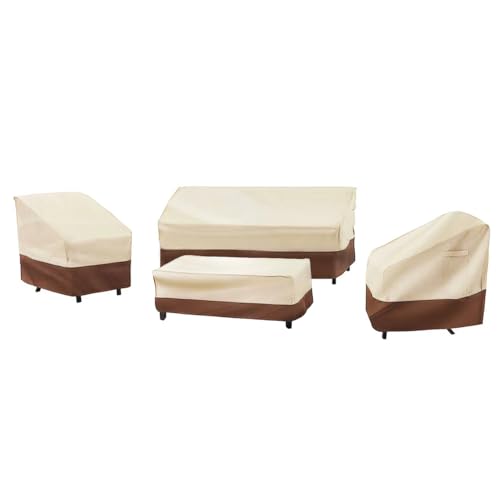
Whenever possible, place items in a covered area or use protective covers during adverse weather. This minimizes exposure to rain and sun, which can lead to wear and fading.
Routine Inspection
Conduct periodic assessments for signs of damage or deterioration. Look for cracks, rust spots, or fraying on components. Addressing issues early prevents further damage.
Consider using a furniture protector spray that repels moisture and UV rays. This layer adds protection without altering the appearance.
Store cushions indoors during off-seasons to prolong their lifespan, ensuring they remain free from mold and mildew.
Maintaining these practices will help keep your items looking new and functioning well over time.
FAQ:
What supplies do I need to clean Hampton Bay outdoor furniture?
To clean Hampton Bay outdoor furniture, you will typically need a few basic supplies: a mild dish soap, warm water, a soft cloth or sponge, a soft brush for tough stains, and a garden hose for rinsing. If you’re dealing with extra dirty furniture, consider using a specialized outdoor furniture cleaner. Always have a bucket on hand for mixing soap and water solutions, and it’s a good idea to have some microfiber towels for drying the surface after cleaning.
Can I use bleach to clean my Hampton Bay outdoor furniture?
It is not recommended to use bleach for cleaning Hampton Bay outdoor furniture, as bleach can damage the finish and material of the furniture. Instead, opt for a mild soap solution. If you encounter stubborn stains like mildew, you might consider using a solution of diluted white vinegar, which is gentler and more effective without causing harm to the furniture.
How often should I clean my outdoor furniture?
Cleaning frequency depends on how often you use the furniture and the local environment. If your furniture is exposed to elements like rain, dust, or pollen frequently, aim to clean it every few weeks during the outdoor season. For areas with less exposure, a deep clean every one to two months may suffice. Regular upkeep will help prolong the life and appearance of the furniture.
How do I remove stubborn stains from my outdoor cushions?
For stubborn stains on outdoor cushions, first check the care label for cleaning instructions. Generally, you can mix a solution of mild soap and water, apply it to the stain with a soft brush or cloth, and scrub gently. Rinse with clean water and allow to air dry. For persistent stains, consider a fabric-safe stain remover made specifically for outdoor upholstery. Always test any cleaning product on a small hidden area first to prevent discoloration.
What should I do to protect my outdoor furniture during the winter?
To protect your Hampton Bay outdoor furniture during winter, storing it indoors in a dry area is ideal. If storage is not possible, cover the furniture with weather-resistant covers designed for outdoor use. Ensure the covers are breathable to prevent mold growth. Additionally, consider applying a protective sealant or finishing product to wood furniture before winter, as this can help guard against moisture and harsh conditions.
What are the best methods to clean Hampton Bay outdoor furniture?
To clean Hampton Bay outdoor furniture effectively, you can follow a few simple methods. Start by removing any loose dirt and debris with a soft brush or cloth. For a deeper clean, mix mild soap with warm water and use a soft cloth or sponge to scrub down the surfaces. Rinse thoroughly with clean water to prevent any soap residue. For stubborn stains, a mixture of vinegar and water can be helpful. If your furniture has cushions, check the care tags and wash them according to the instructions. Lastly, ensure the furniture is completely dry before storing or covering it up to avoid mold growth.