
 Caleb Turner
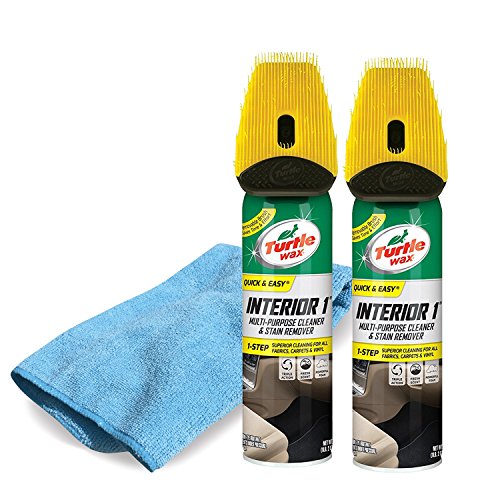
Using a hot water soak is the first step I take to restore my polishing implement. I fill a bowl with water, ensuring it’s heated but not boiling, and immerse the tool fully. This method helps soften any accumulated residues, making the subsequent cleaning much easier.
After soaking, I grab some mild soap and a soft cloth. Gently working the soap into the bristles, I focus on the areas where buildup is most prominent. It’s essential to rinse thoroughly to prevent any soap residue from affecting future applications.
For stubborn debris, a gentle comb or old toothbrush can be effective. I carefully brush through the bristles, ensuring I don’t damage them, while also removing any lingering waxy materials. Following this, I rinse once more to wash away any dislodged particles.


To finish, I place the tool in a well-ventilated area to dry completely. Ensuring it’s fully dry prevents mold or mildew from forming, preserving the tool’s lifespan for my next project.
Cleaning Technique for Your Waxing Tool
I recommend using mineral spirits for residue removal. First, pour a small amount into a container. Then, dip the tool into the solvent, ensuring the bristles are saturated.
Next, gently work the bristles against the sides of the container to loosen accumulated product. Rinse thoroughly under warm water and reshape the bristles while still damp.
For stubborn buildup, a mixture of soap and warm water can be effective. Soak your applicator in this solution for approximately 15 minutes to break down the wax.
After soaking, use your fingers to work the bristles, then rinse again with warm water. Make sure to dry the tool flat to retain its shape.
Regular maintenance extends the lifespan of your applicator. After each use, I recommend a quick rinse and reshaping the bristles, ensuring they remain in optimal condition for future projects.
Gather Necessary Cleaning Supplies
For an optimal cleansing process of the applicator, ensure you have the following items at hand:
Required Items
| Item | Purpose |
|---|---|
| Solvent (e.g., mineral spirits or turpentine) | Effective in dissolving wax buildup. |
| Warm water | Helps to soften residues and prepares the tool for washing. |
| Dish soap | Breaks down grease and further assists in removing product remnants. |
| Stiff bristle brush | For scrubbing tough wax deposits. |
| Clean cloth or paper towels | To wipe and dry the tool post-cleaning. |
| Bucket or container | For soaking and mixing cleaning solutions. |
Keep these tools nearby for a streamlined experience while reviving your applicator’s performance.
Remove Excess Wax from the Brush
I begin by gently scraping the bristles against the edge of a container. This helps dislodge a significant amount of the substance. Next, I fill a small bowl with mineral spirits or a similar solvent. Dipping the bristles into this solution helps dissolve remaining residues.
Afterward, I gently work the bristles in the solvent, focusing on any stubborn areas. Using my fingers, I carefully manipulate the bristles, ensuring thorough removal without damaging them. It’s crucial to handle the bristles delicately during this process.
Once I’ve loosened the residues, I take the bristles out of the solution and wipe them on a clean cloth or paper towel. I repeat this step until most of the unwanted remnants are gone, changing the cloth as needed to avoid reapplying any wax back onto the bristles.
Finally, if I notice any build-up still present, I use a comb or a specialized brush cleaner to gently remove it. Rinsing under warm water wraps up the process, ensuring the tool is ready for its next use.
Soak the Tool in Solvent Solution
To dissolve residual materials effectively, without hesitation, I select an appropriate solvent. A mineral spirit or turpentine works exceptionally well for this purpose.
Here’s my step-by-step approach:
- Choose a container that is deep enough to fully submerge the item.
- Pour the solvent into the container until it reaches a level that covers the bristles.
- Submerge the tool, allowing it to soak for about 15-20 minutes.
- After soaking, take it out and gently swish it around to help dislodge any stubborn parts.
Before proceeding to the next cleaning stage, I ensure that the bristles are soaked thoroughly. If I notice any remaining buildup, another brief soak might be necessary.
After this step, I can better address any leftover mess and prepare the tool for the final rinse.
Gently Clean the Bristles
After soaking, it’s time to take a closer look at the bristles. Carefully separate them with your fingers to remove any remaining product embedded deep within the fibers. This step prevents clumping and ensures thorough cleaning.
Use a soft cloth or a clean paper towel to wipe the bristles gently, ensuring you’re not too rough, as this can lead to damage. I find it helpful to run the bristles under lukewarm water while gently massaging them to dislodge stubborn residue. Running water helps flush out any leftover substances.
To further enhance the process, mix a small amount of mild soap with water in a bowl. Dip the bristles into this mixture while continuing to massage them between my fingers. This approach helps lift any remaining particles without harming the bristles.
After thoroughly rinsing the bristles, shape them back to their original form. Place the tool on a flat surface, laying it horizontally or hanging it, to prevent water from seeping into the base. This method preserves the integrity of the fibers and extends the lifespan of the tool.
Rinse and Dry the Brush Properly
After thoroughly working through the cleaning process, I ensure to rinse the tool carefully under warm water. This step is crucial to eliminate any remaining residue from the previous cleaning solutions. I make sure to direct the water through the bristles, allowing it to wash away all contaminants effectively.
Next, I shake off excess moisture by gently flicking the tool. Then, I lay it flat on a clean, dry cloth or paper towel. This position helps prevent water from seeping into the handle, which could compromise its integrity. I avoid standing it upright, as that might lead to bristle deformation.
Once positioned, I allow ample time for the bristles to air dry completely. Depending on humidity levels, this can take several hours. I sometimes use a fan to expedite the process. Ensuring that the bristles are fully dry before storing is key to maintaining their shape and functionality.
Maintain Your Tool for Future Use
After thorough cleaning, I ensure proper storage for longevity. I wrap the bristles in a protective covering to maintain their shape and prevent dust accumulation. A dedicated container, preferably with a lid, keeps it safe from external elements.
Before placing it away, I inspect for any leftover residue. If I detect any, a quick wipe with a soft cloth ensures no remnants linger. This step is critical in keeping the bristles in peak condition.
Regularly checking for wear is part of my routine. If I observe frayed or bent bristles, I replace the tool, as it affects performance. Ensuring the tool is well-maintained enhances its effectiveness for future projects.
I also consider environmental conditions. Storing it in a moderate climate prevents materials from hardening or deteriorating. This simple measure greatly extends the life of the implement.


