Caleb Turner

Begin with a swift response to the troublesome mark. Blot the area with a clean, dry cloth to absorb any excess liquid or residue. Avoid rubbing, as this can push the substance deeper into the fibers.
Next, create a mixture of mild dish soap and cool water. Dampen a cloth with this solution and gently dab the stained section, working from the outside towards the center. This method helps in minimizing the spread of discoloration.


If the blemish persists, consider using a vinegar and water solution. Combine equal parts of both liquids, apply with a cloth, and gently dab again. Vinegar acts as a natural cleanser and can effectively tackle a range of marks.
After treating the area, it’s essential to rinse with a cloth dampened with plain water to remove any soapy residue. Finish by blotting the spot dry with a clean, absorbent towel.
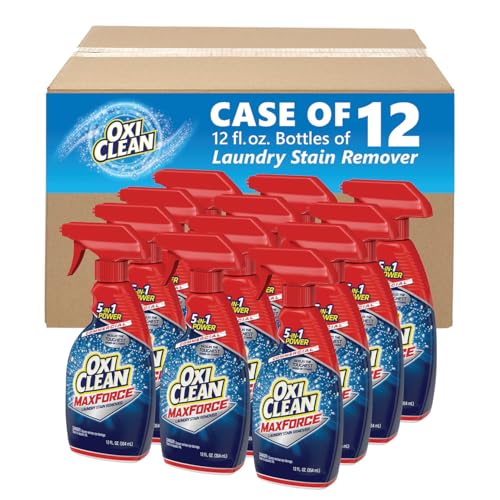
For tougher omissions, a store-bought upholstery cleaner might be necessary. Always test any product on a hidden area first to ensure it won’t alter the color or texture of the material.
How to Tackle Marks on Upholstery
For tackling undesired spots on your upholstery, a solution mixture of clear dish soap and warm water works wonders. Combine a tablespoon of soap with two cups of water in a bowl, then use a clean cloth to test it on an inconspicuous area first.
Once confirmed, gently dab the mixture onto the affected area, applying minimal pressure to avoid pushing dirt further in. Blot with a dry towel to soak up moisture. Repeat as necessary, ensuring the spot lifts without soaking the material.
- For greasy residue, a blend of white vinegar and water in a 1:1 ratio can effectively break down the oils. Apply similarly and let it sit for a few minutes before blotting.
- For ink or pen marks, rubbing alcohol is a reliable option. Apply it to a cotton ball and dab carefully, taking care not to spread the stain.
- Make sure to rinse with a cloth dampened in plain water after treating stains to prevent residue buildup.
Regular vacuuming reduces the chances of dirt embedding itself, making maintenance easier. For persistent marks, consider consulting a professional cleaning service for deeper solutions.
Identifying Different Types of Fabric Stains
Recognizing the origin of a discoloration is crucial for selecting the appropriate removal technique. Start by examining the stain closely; its color, texture, and the surrounding area can provide significant clues.
Food and Beverage Marks
These often present as dark or colorful spots. Common culprits include coffee, wine, or sauces. Act quickly, as these can set and become more challenging to remove.
Grease and Oil Residues
These stains typically appear shiny and may feel slick to the touch. They often originate from foods or personal care products. Dealing with these requires specific approaches, as water can exacerbate the problem.
By distinguishing between different types of blemishes, I can better tackle each issue effectively and avoid potential damage to the material. Tailoring my approach based on the source of the mark is key to restoration.
Gathering Necessary Cleaning Supplies
Begin with assembling a precise set of tools and products to address various blemishes. Prioritize the following key items:
Basic Tools
| Item | Purpose |
|---|---|
| Sponge | For applying cleaning solutions and scrubbing. |
| Soft cloths | Ideal for blotting and wiping without causing damage. |
| Brush (with soft bristles) | Effective for surface agitation to lift dirt. |
Cleaning Solutions
Choose appropriate cleaning agents based on the type of blemish:
| Solution | Use Case |
|---|---|
| White vinegar | Breaking down oils and odors. |
| Baking soda | Great for absorbing moisture and neutralizing smell. |
| Dish soap | Effective for removing food and grease residues. |
| Commercial upholstery cleaner | Special formulations for tough marks. |
By having these items ready, I ensure an efficient and organized approach to tackling marks on various surfaces. This strategic preparation minimizes time spent dealing with issues while maximizing results.
Testing Cleaners on an Inconspicuous Area
I recommend applying the chosen solution to a hidden section before using it on visible surfaces. This test ensures compatibility with the material and checks for any adverse reactions.
Select a small, discreet area like the back or underside of the item. Apply a tiny amount of the cleaner and let it sit for 5-10 minutes. After this period, blot the area gently with a clean cloth.
Evaluate the test spot for discoloration, fading, or any texture changes. If the area looks unchanged and free of damage, it’s safe to proceed. If I notice any negative effects, I switch to a gentler option.
This preliminary step is crucial to prevent potential damage and to maintain the integrity of the upholstery while addressing any unwanted marks effectively.
Applying the Right Cleaning Solution for Water-Based Stains
For water-soluble marks, I recommend using a solution of mild detergent and water. Here’s the approach:
- Mix one tablespoon of clear liquid dish soap with two cups of cold water. Ensure it’s well blended.
- Dampen a clean white cloth or sponge with the mixture, avoiding saturation to prevent oversaturation of the material.
- Gently dab the stained area, starting from the outer edges and working inward to avoid spreading.
- Allow the solution to sit for a few minutes to break down the residue.
- Blot with another clean cloth dampened with plain water to remove any soap residue.
- After wiping, use a dry towel to absorb excess moisture and promote quicker drying.
- If necessary, repeat the steps until the blemish fades.
For more stubborn residues, a mixture of vinegar and water can be effective. Combine equal parts of white vinegar and water, and apply it the same way as mentioned above. Always test the solution on an inconspicuous area first to check for colorfastness.
- Brushing the fabric lightly after it dries can help restore its texture.
- Keep sunlight exposure minimized during the drying phase to avoid fading.
Removing Oil-Based Stains with Proper Techniques
For oil-based marks, act quickly. Blot up excess oil with a clean, dry cloth or paper towel without rubbing, which can spread the residue. Use cornstarch or baking soda, sprinkling it generously over the affected area. Let it absorb for about 15-20 minutes before vacuuming it up. Repeat if necessary.
Next, mix a solution of dish soap and warm water (about one tablespoon of soap to two cups of water). Dampen a clean cloth with this mixture and gently blot the spot, working from the outside in to avoid rings. Afterward, use a dry cloth to blot any excess moisture.
If the mark persists, consider a small amount of rubbing alcohol on a cloth, applying cautiously to avoid damaging the surface. Blot, then rinse with clean water to remove any remaining solution.
Finally, allow the area to air dry completely. Check for any residual marks once dried; repeat the process if needed until the area returns to its original state.
Utilizing Homemade Cleaning Solutions for Light Stains
I recommend mixing equal parts white vinegar and water in a spray bottle for a simple, effective solution. This mixture works wonders on residues left by beverages or food. Spray the area lightly and blot with a clean cloth to absorb the solution and the stain.
An alternative is combining a tablespoon of dish soap with two cups of warm water. This gentle detergent solution can tackle smaller blemishes from spills. Use a soft cloth to dab the area, ensuring you don’t soak the material. Rinse with a damp cloth to remove any soap residue.
Baking soda can also be an excellent option for lifting dirt and odors. Sprinkle a generous amount onto the mark, let it sit for about 15 minutes, and then vacuum it up. This method is particularly effective for stains that have dried over time.
If the stain persists, I mix one tablespoon of hydrogen peroxide with three tablespoons of water. This combination is effective for light discolorations, but I test it on a hidden section first to prevent potential color fading.
Always remember to blot instead of rubbing, as this technique prevents further embedding the residue. With these homemade solutions, maintaining the appearance of your upholstery can become a straightforward task.
Dealing with Stubborn Stains Using Specialized Products
For challenging blemishes, I rely on targeted commercial solutions designed for particular types of marks. Stains like ink, red wine, or pet accidents often need something more potent than standard methods. I carefully select products that specify compatibility with the material of my item to avoid damage.
First, I choose an enzyme-based cleaner for organic stains, such as food or bodily fluids. These enzymes break down proteins, effectively lifting the mark. I apply the cleaner according to the manufacturer’s instructions, letting it sit for the recommended time before blotting.
For ink or dye marks, I prefer a solvent-based solution. I test it on a hidden area first to ensure it doesn’t alter the hue or texture. Applying the product with a cotton swab helps me target the specific area without oversaturating the surrounding fabric.
I also keep a specialized foam cleanser on hand for tough spots. This type of product often encapsulates the stain particles, making it easier to remove them without excessive scrubbing. I use a soft brush or cloth to distribute the foam evenly, then wipe away once it dries.
Lastly, after treating the area, I make sure to rinse any remaining cleaner with a damp cloth. This step is crucial, as residual chemicals can attract dirt or damage the surface over time.
Drying and Caring for Cleaned Upholstered Items
Immediately after treating the surface, I ensure to absorb excess moisture using clean, dry towels. This prevents further soaking into the material.
Air Drying Techniques
To achieve optimal results, I position the item in a well-ventilated area, away from direct sunlight and heat sources. I sometimes use a fan to promote air circulation and speed up the evaporation process.
Regular Maintenance Practices
I schedule routine dusting with a vacuum attachment to keep the material fresh and prevent dirt accumulation. For added protection, I apply a fabric protector, which creates a barrier against future spills and marks. This step helps maintain the appearance and prolongs the lifespan of my upholstered surfaces.
Maintaining Stain Resistance on Upholstered Surfaces
Regular application of a fabric protector spray enhances resistance to spills and grime. These products create a barrier, making it easier to address accidental messes.
I’ve found that vacuuming weekly helps remove dust and debris, which can contribute to fabric deterioration over time. Using the upholstery attachment prevents material from snagging.
Be mindful of exposure to direct sunlight, as UV rays can fade colors and weaken fibers. Using window treatments can minimize this effect significantly.
Consider rotating cushions periodically to ensure even wear. This tactic can prolong the life of each piece by allowing them to settle uniformly.
If your upholstery can be washed, adhere to the manufacturer’s care guide. Limiting moisture and using an appropriate detergent maintains the fabric’s integrity.
Avoid harsh chemicals or abrasive tools that might damage the surface. Instead, opt for gentle methods to ensure longevity and appearance.
Implementing these strategies promotes durability and keeps your upholstered items looking vibrant and fresh.