
 Caleb Turner

For optimal care of your eucalyptus pieces, begin with a simple solution of mild soap and warm water. This blend effectively removes dirt and grime without harming the wood’s natural finish. Use a soft cloth or sponge to gently scrub the surfaces, ensuring you reach into crevices where dust may accumulate.
Rinse thoroughly with clean water to eliminate any soap residue, as this can attract more dirt over time. After rinsing, it’s important to dry the wood completely with a clean towel to prevent any water damage or warping.
To enhance the natural beauty and longevity, consider applying a specialized wood oil designed for outdoor use. This treatment nourishes the material and protects against UV rays and moisture, ensuring your investment remains stunning year-round. Apply the oil using a clean cloth, working it into the wood grain for best results.
Maintenance Tips for Eucalyptus Seating
Mix a solution of warm water and mild soap. Use a soft cloth or sponge to gently wipe down the surfaces. Avoid harsh chemicals that can damage the finish. Rinse thoroughly with clean water to prevent soap residue from attracting dirt.


Addressing Stains
For stubborn marks, apply a paste of baking soda and water. Let it sit for a few minutes before scrubbing lightly with a soft-bristle brush. This method is often effective for food stains and bird droppings.
UV Protection
Apply a quality outdoor wood protection oil after the initial cleaning. This will help in preserving the natural color and prevent fading from sunlight exposure. Reapply every six months for optimal results.
Gather Necessary Cleaning Supplies
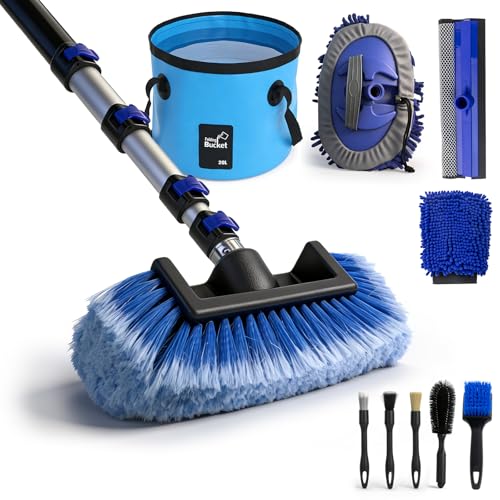
To begin the maintenance of your wooden seating or tables, I ensure I have the following items on hand. First, I grab a soft-bristle brush or a sponge, which helps to remove dirt without damaging the surface. A bucket filled with warm water is vital for mixing cleaning solutions.
I select a mild soap or a specialized wood cleaner suitable for such materials. It’s important to avoid harsh chemicals that can strip the finish. Also, a pair of rubber gloves protects my hands from any irritation while handling cleaning agents.
Additional Tools
I find it handy to have a hose available for rinsing off any residue after scrubbing. A microfiber cloth is perfect for drying surfaces and preventing water spots. If necessary, I also keep a wood conditioner or sealer to apply after the cleaning process, ensuring protection against moisture.
Safety Precautions
Lastly, I always consider safety; wearing a mask can be a smart choice if I’m working around airborne dust or fumes from cleaners. Having these supplies ready streamlines the process, making it more efficient.”
Assess the Condition of Your Furniture
Before proceeding with maintenance, I evaluate the overall state of my items. I carefully inspect for any signs of wear, such as scratches, discoloration, or cracks. This initial assessment helps me determine whether a light touch-up is sufficient or if a more thorough restoration is needed.
Inspect for Damage
I check joints and connectors for looseness, ensuring structural integrity. Loose components might require tightening or adhesive to restore stability. Additionally, I look for mold or mildew–common problems in outdoor settings. If found, these areas need special attention in the cleaning process.
Check Finish and Coating
Next, I assess the surface finish. If the protective coating is wearing thin or peeling, I prepare for refinishing. A proper finish not only enhances appearance but also prolongs lifespan. I gauge the need for sanding or reapplication, keeping the pieces protected against environmental elements.
Remove Loose Dirt and Debris
Begin the process by using a soft-bristle brush or a handheld vacuum to eliminate any loose dirt, leaves, and debris. Ensure to target crevices and joints where particles may accumulate. Avoid using hard brushes that could scratch the surface.
If stubborn debris remains, dampen a cloth with water and gently wipe the affected areas. For larger debris, a broom can be employed to sweep away items more efficiently. Make certain to work from one side to the other to prevent debris from spreading to already cleaned areas.
| Tool | Purpose |
|---|---|
| Soft-bristle brush | Removing loose dirt |
| Handheld vacuum | Eliminating fine particles |
| Damp cloth | Wiping stubborn debris |
| Broom | Sweeping larger items |
After clearing the surface, inspect for any remaining residues to ensure thorough preparation for the subsequent deep cleaning phase. This step significantly enhances the effectiveness of the entire process.
Prepare a Mild Cleaning Solution
I mix a solution using warm water and a few drops of liquid dish soap, ensuring it’s gentle enough not to damage the surface. This blend effectively tackles grime without harsh chemicals. A common ratio is one tablespoon of soap per gallon of water.
For extra freshness, I sometimes add a cup of white vinegar. It acts as a natural deodorizer and contributes to reducing mildew. Combine all ingredients in a large bucket, stirring until the soap is fully dissolved.
Here’s a simple overview of the components:
| Ingredient | Amount |
|---|---|
| Warm Water | 1 Gallon |
| Liquid Dish Soap | 1 Tablespoon |
| White Vinegar (optional) | 1 Cup |
Before using it, I always conduct a spot test on a small, inconspicuous area. This ensures compatibility with the material and prevents any unexpected reactions.
Scrub the Furniture with a Soft Brush
I recommend using a soft-bristled brush to gently scrub the surfaces. This will help remove any stubborn grime without causing scratches. Make sure to choose a brush that is designed for delicate surfaces.
Follow these steps while scrubbing:
- Start at one end, applying light pressure to avoid damaging the finish.
- Work in small sections. This ensures that you thoroughly address each area without missing spots.
- Use circular motions to lift dirt effectively.
- Rinse the brush frequently in clean water to prevent debris from reapplying onto surfaces.
Pay extra attention to crevices and details where dirt tends to accumulate. After scrubbing, wipe any excess water or suds with a microfiber cloth to ensure a spotless finish. This step also helps avoid water spots on the surface.
Rinse Off the Cleaning Solution
After scrubbing, it’s crucial to eliminate all remnants of the cleaning mixture. Fill a bucket with warm water and use a soft cloth or sponge to wipe down every surface. Make sure to reach into crevices and corners, where residue tends to accumulate.
Follow these steps to ensure thorough rinsing:
- Use a garden hose to spray the entire piece. Opt for a gentle stream to avoid any damage.
- For areas with stubborn spots, apply more water directly and use a sponge to help lift residue.
- Repeat the process until the water runs clear, indicating that all solution is removed.
- Pay attention to the underside and legs, as these areas can often be overlooked.
Once rinsing is complete, allow the item to air dry in a shaded area. Direct sunlight may cause warping, so ensure it dries properly without exposure to excessive heat.
Dry the Furniture Properly
After washing the outdoor items, I ensure they are thoroughly dried to prevent moisture damage. I position them in a shaded area to avoid direct sunlight, which can cause warping or fading. It’s vital to tilt the pieces slightly, allowing any remaining water to run off. I use absorbent towels to wipe down surfaces, focusing on crevices where water may pool.
Checking seams and joints is critical; I make sure these areas are dry as they can trap moisture and lead to mildew. If the weather allows, I let them air dry completely for a few hours before placing them back outside. This process minimizes the risk of mold growth and extends the life of the materials.
Apply a Protective Finish
I recommend using a high-quality, UV-resistant sealant specifically designed for wood. Ensure the surface is thoroughly dry before application. Use a clean brush or a sprayer for an even layer, following the manufacturer’s instructions.
Pay attention to the seams and any areas prone to moisture exposure, applying extra product there. Allow the finish to dry completely, ideally for 24 to 48 hours, depending on environmental conditions, before placing any items back on the surface or exposing it to heavy rain.
Reapply the protective coat annually to maintain the surface’s integrity and color. This will help prevent damage from sunlight and weather, extending the lifespan of your investment.
Schedule Regular Maintenance Cleanings
Consistency ensures longevity. I recommend conducting thorough upkeep every three to six months, depending on exposure to elements. This not only maintains appearance but also prevents deterioration.
Determine a Cleaning Calendar
Establish a fixed schedule, marking dates on a calendar or planner. Weather and seasonal changes can influence how often I need to perform maintenance. For example, after heavy rainfall or dust storms, I should inspect and refresh the surface.
Incorporate Check-Ins
- Check for mold or mildew growth after humid seasons.
- Inspect joints and connections for any signs of wear or damage.
- Look for fading or discoloration, which may signal the need for treatment.
By remaining proactive, I can address any potential issues before they escalate, ensuring the materials remain robust and visually appealing. Remember, regular vigilance is key to preserving natural aesthetics and structural integrity.


