Caleb Turner
Begin with a vacuum cleaner equipped with a soft brush attachment. This step effectively removes dust and loose particles without damaging the delicate fibers. Ensure that you work gently and in the direction of the nap to preserve the texture.
For stain removal, quickly address any spills by blotting with an absorbent cloth; avoid rubbing, as this can work the liquid deeper into the material. If necessary, a mixture of warm water and mild detergent can help lift stains. Always test on a small, inconspicuous area first to prevent discoloration.
Occasionally, a deeper clean might be required. Consider professional steam cleaning if the fabric has absorbed strong odors or shows heavy soiling. This method refreshes the fibers while maintaining their integrity.


Lastly, maintain the aesthetics by regularly fluffing the fabric to prevent matting. This simple act keeps your upholstery looking vibrant and inviting, ensuring it remains a cozy focal point in your space.
Identify the cleaning materials needed
I recommend gathering the following items: a microfiber cloth, which is gentle yet effective for removing dirt and dust; a vacuum cleaner with upholstery attachment to capture lint and debris; a mild liquid detergent specifically formulated for delicate fabrics; and a soft-bristled brush. Additionally, an enzyme-based cleaner can be useful for tackling stubborn stains.
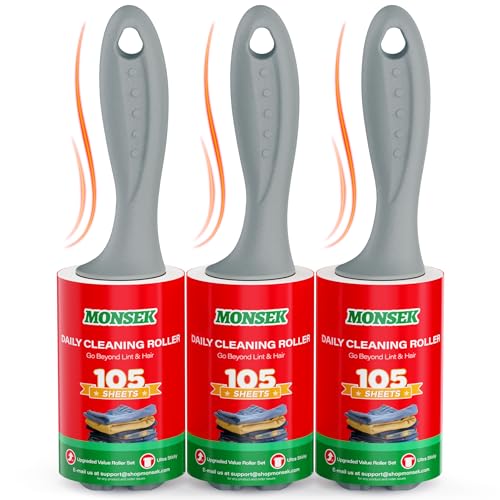
Consider using a spray bottle for easy application of the cleaning solution, as well as warm water for diluting the detergent. Protective gloves are advisable to keep your hands safe from chemicals, while a lint roller is handy for quick touch-ups. If necessary, a steam cleaner can also assist in refreshing the texture and appearance of the surface.
Lastly, ensure that any product tested is safe for synthetic materials; reading labels will help confirm their compatibility. It’s also wise to keep some clean towels on hand to blot excess moisture or cleaner during the process.
Check Care Labels for Cleaning Instructions
The care label is your first stop for understanding specific requirements. I always take a look at the label before attempting any maintenance on my upholstered pieces.
Key Information to Look For
- Washing Instructions: Some items may be machine washable, while others require hand washing or dry cleaning.
- Temperature Settings: Pay attention to the recommended water temperatures and cycle types to avoid damage.
- Drying Guidelines: Some materials shouldn’t be exposed to direct heat or sunlight; air drying is often the safest option.
Care Symbols
- Machine Wash: A bucket symbol indicates that washing is allowed; check for additional instructions.
- Do Not Bleach: A triangle with a “X” denotes that bleaching agents should be avoided.
- Ironing: Some labels will denote whether ironing is permissible; if so, check the settings required.
Consulting these key points ensures that I maintain the integrity of my soft home pieces effectively. Keeping an eye on the care label helps to prevent mishaps and prolongs the lifespan of the items.
Remove Loose Dirt and Debris from the Surface
Begin with a lint roller or a soft vacuum brush attachment. I gently roll the lint roller across the surface to grab pet hair and loose particles. When using a vacuum, make sure to set it on a low suction or use a brush nozzle to avoid damaging the delicate fabric.
Utilizing Brushes
A soft-bristled brush is effective for loosening dirt lodged in the fibers. I lightly stroke the furniture in one direction, being careful not to apply too much pressure. This technique helps in gathering more debris without matting the fibers.
Static Electricity Method
For stubborn dust, I use a damp cloth or an anti-static cloth. Lightly rubbing the surface not only picks up dirt but also reduces static cling, making it easier for particles to lift off the fabric. Ensure not to soak the material to prevent damage.
Choose the right cleaning solution for spots
For tackling stains, I opt for a gentle solution to avoid damage. A mix of warm water and mild dish soap is usually effective for most marks. I combine a few drops of soap with water and test it on an inconspicuous area first.
If the stain is tougher, like ink or grease, I consider using isopropyl alcohol applied with a cotton ball, carefully dabbing rather than rubbing. Always ensure excess moisture is blotted away using a clean cloth.
For pet odors or biological stains, enzymatic cleaners work wonders. I apply them directly to the stain, following the manufacturer’s instructions for dwell time before blotting.
When trying any new product, I am cautious and prioritize a patch test to confirm that it won’t discolor or damage the material.
Ultimately, selecting a specific cleaning agent depends on the stain type and severity; I keep a small inventory of these solutions handy for unexpected messes.
Wash faux fur covers safely
I recommend using a gentle cycle with cold water to maintain the integrity of the material. It’s crucial to avoid high temperatures, as they can damage the fibers. When washing, place the covers inside a mesh laundry bag to prevent them from tangling or pulling. This extra layer of protection extends the life of the items.
Detergent Selection
Opt for a mild detergent, avoiding bleach or fabric softeners, as these can cause discoloration and compromise the texture. Read ingredient labels carefully to choose the safest option.
Drying Techniques
Air drying is the best route–lay the covers flat on a clean surface, reshaping them to prevent loss of form. If using a dryer, keep it on a low heat setting with dryer balls to reduce matting. However, air drying is ideal for preserving softness.
| Step | Action |
|---|---|
| 1 | Use cold water on a gentle cycle. |
| 2 | Put items in a mesh bag for protection. |
| 3 | Select a mild detergent–no bleach. |
| 4 | Air dry or use low heat in the dryer with dryer balls. |
Dry and Fluff Your Furniture After Cleaning
Immediately after the washing process, I ensure to remove excess moisture using a soft, absorbent towel. I gently press the fabric without rubbing, allowing it to soak up as much water as possible. It’s essential to avoid wringing or twisting, which can damage the fibers.
After blotting, I let the piece air dry completely in a well-ventilated space, avoiding direct sunlight or heat sources that can cause fading or distort the texture. For quicker drying, placing a fan nearby can help circulate air around it.
Fluffing Technique
Once dry, using a soft-bristled brush, I carefully brush the surface to restore its plush appearance. This action not only revitalizes the texture but also helps eliminate any remaining fibers that may have matted during the washing. Fluffing should be done gently to avoid pulling out any strands.
Regular Upkeep
I make it a habit to fluff regularly as part of ongoing maintenance. This practice ensures that the texture remains soft and inviting. Additionally, I use a lint roller to easily remove any pet hair or dust that settles on the surface, keeping it looking fresh.