Caleb Turner
Begin with a mixture of equal parts vinegar and olive oil. Apply this solution to a soft cloth and gently rub the surface. This simple concoction removes residues while conditioning the finish.
For stubborn marks, create a paste of baking soda and water. Apply it to the affected area, allowing it to sit for a few minutes before gently scrubbing with a microfiber cloth. Its mild abrasiveness aids in lifting persistent stains without damaging the surface.
Regular maintenance is key. A dusting with a dry cloth followed by a monthly application of a suitable wood polish keeps these pieces looking their best. This not only enhances their appearance but also provides a layer of protection against daily wear.


Consider using a damp cloth for initial wipe-downs, but ensure it is not too wet, as excess moisture may lead to warping. Following this with a dry cloth ensures no moisture lingers.
Essential Tools for Maintaining Your Wooden Pieces
I recommend keeping a few specific items on hand to restore the beauty of your wooden items. A microfiber cloth is ideal for dusting, as it traps particles without scratching the surface. For deeper layers of residue, a soft-bristled brush helps to reach into crevices without causing harm.
A mixture of warm water and vinegar provides a gentle yet effective solution for tackling tougher build-ups. Dampen the cloth in this solution, wring it out thoroughly, and wipe in the direction of the grain to avoid streaks. Afterward, use a dry cloth to absorb any excess moisture.
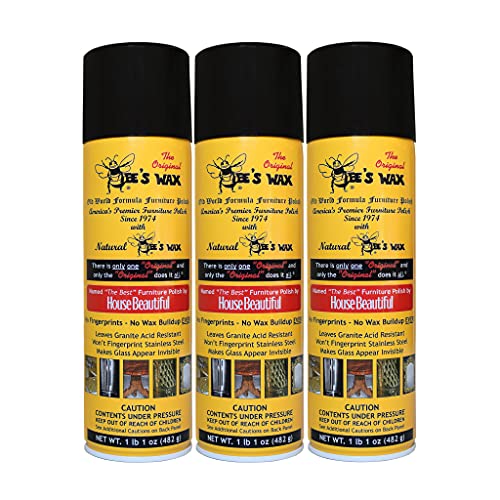
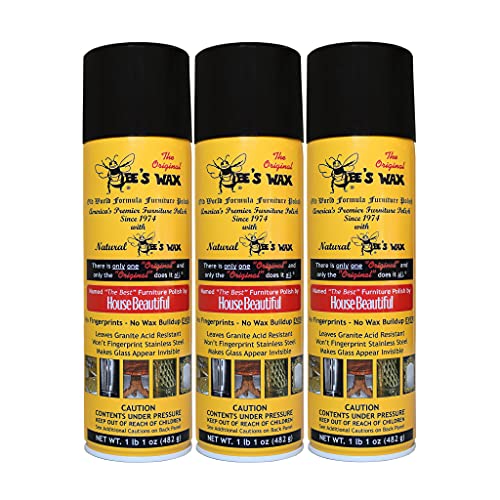
If the surface appears dull after cleaning, applying a beeswax or mineral oil can restore its luster. Use a separate cloth to rub the wax or oil in, again following the grain to enhance the wood’s natural beauty.
Regular maintenance, such as avoiding direct sunlight and spills, can prolong the lifespan and visual appeal of your cherished pieces.
Assessing the Type of Wood Finish
Identifying the specific finish on your surfaces is key to selecting the right approach for maintenance. First, determine if the surface has a oil finish, typically soft and warm to the touch, or a varnish, which is harder and provides a glossy look. To test this, apply a few drops of water. If the water beads up, it indicates a varnish or polyurethane. If it soaks in, an oil or wax finish is present.
For wax finishes, a gentle, non-abrasive wax can maintain the sheen, while for pieces treated with an oil-based finish, regular application of a suitable oil rejuvenates the surface. In contrast, lacquer offers a protective layer that’s less forgiving; avoid undue moisture during maintenance to prevent damage. Casting a glance at the texture and appearance will guide you in deciding upon the right restorative process.
Also, consider the age of the item. Antique pieces might have traditional finishes like shellac, requiring specialized care, while modern items often feature more durable options such as polyurethane. Each finish reacts differently to cleaning solutions, thus tailoring your methods appropriately is essential for preserving the integrity of the piece.
Choosing the Right Cleaning Solution for Wood
Opt for a mild, pH-balanced product tailored for natural surfaces. Avoid harsh chemicals, as they can damage the finish.
Consider the following options:
- Soap and Water: A mixture of warm water and a few drops of liquid dish soap offers a gentle approach. Use a damp cloth, not soaking wet, to reduce moisture exposure.
- Vinegar Solution: A blend of equal parts white vinegar and water serves as a natural cleaner. Test it on a small, inconspicuous area first.
- Commercial Cleaners: Select products specifically designed for treated surfaces. Always read labels to confirm compatibility.
- Furniture Polish: Use a polish suitable for the type of finish on your piece. This can enhance shine while providing a protective layer.
Prior to selecting any method, verify the wood’s finish to ensure compatibility with your chosen solution. Natural oils and waxes, for instance, may require different care compared to polyurethane or lacquer finishes. Testing on a hidden spot allows you to gauge any adverse reactions.
Testing Cleaners on Hidden Areas
I recommend selecting a discreet location to evaluate any cleaning solution. Underneath a leg or on the back panel are ideal spots. Apply a small amount of the product and observe how the surface reacts over a few minutes.
Check for any discoloration, dullness, or adverse effects. If the area appears unaffected, proceed to a slightly larger section for a second test. Using a soft cloth, gently rub the cleaner to ensure it does not damage the finish.
For delicate finishes, opt for a mild solution first. If no adverse reactions occur after testing, gradually increase the strength of the cleaner to see how the surface holds up. Document any changes to gauge the product’s suitability.
It’s crucial to maintain the integrity of the finish throughout this process. Avoiding aggressive scrubbing ensures no scratches develop during evaluation. When satisfied with the results in hidden areas, you can confidently proceed with broader applications.
Gathering Necessary Cleaning Tools
Before I begin the process of removing buildup from my wooden items, I ensure that I have all the requisite tools at hand. This preparation streamlines the task and minimizes potential mishaps.
Essential Tools
The following items are paramount:
| Tool | Purpose |
|---|---|
| Microfiber cloths | Soft, non-abrasive material ideal for dusting and wiping surfaces. |
| Soft-bristle brush | Effective for getting into crevices without damaging the finish. |
| Bowl or spray bottle | For mixing and applying cleaning solutions. |
| Sponge | Useful for applying cleaner in a gentle manner. |
| Gloves | Protect hands from chemicals and prevent oils from fingers transferring to surfaces. |
Additional Supplies
These additional items may prove beneficial:
| Supply | Purpose |
|---|---|
| Bucket | To hold water or cleaning solutions for larger tasks. |
| Old toothbrush | Great for intricate areas or tight spots that need attention. |
| Soft towel | For drying and buffing to restore shine after application. |
Having these tools ready not only enhances efficiency but also ensures that I treat my wooden possessions with the care they deserve. Proper preparation is key to yielding optimal results.
Step-by-Step Cleaning Process
I gather all necessary tools before I begin: soft microfiber cloths, a gentle cleanser, a bucket, and a spray bottle. After ensuring the space is well-ventilated, I put on gloves to protect my hands.
Next, I apply the selected cleaning solution on the cloth rather than directly on the surface. This prevents excess moisture from seeping into the wood. I start wiping the item in the direction of the grain, applying light pressure for effective removal of the residue. I pay attention to details and edges, where buildup tends to accumulate.
For stubborn spots, I let the solution sit for a minute before gently scrubbing with a soft-bristle brush. After treating these areas, I take a clean cloth dampened with water to remove any remaining solution. Ensuring no residue is left is crucial to avoid attracting more grime.
Once I’m satisfied with the initial clean, I dry the surface with a clean, dry microfiber cloth. This step helps maintain the integrity of the finish and prevents moisture damage.
Finally, I take a moment to apply a quality wood polish or conditioner appropriate for the specific finish. I use a soft cloth to buff the surface, enhancing the natural luster while providing a protective layer.
Dealing with Stubborn Stains and Build-Up
For tough marks and persistent residue, I typically reach for a mixture of vinegar and olive oil. This combination acts effectively on sticky patches. A 1:2 ratio works well; applying it with a soft cloth helps lift away the grime without damaging the surface.
If that doesn’t work, I often resort to baking soda. I create a paste using a tablespoon of water with a couple of teaspoons of baking soda. Gently rub this paste on the stain using a microfiber cloth. The mild abrasiveness helps without scratching the finish.
In cases where the residue has built up over time, I apply a commercial wood cleaner specifically designed for this purpose. I ensure it does not contain any harsh chemicals. After application, I let it sit for a few minutes to penetrate deeply before wiping it away with a clean, damp cloth.
For particularly troublesome areas, I may need to use a soft-bristled toothbrush. Dipping it into the solution I’ve prepared, I carefully scrub around the edges of the stain, ensuring to follow the grain to prevent any scratches.
After removing the stains, I always finish with a coat of wood polish. This not only revitalizes the appearance but also adds a protective barrier for the future. Regular maintenance using dedicated products keeps surfaces looking their best, making the next cleanup easier.
Preventive Care for Wood Furniture
Regular maintenance is key to preserving the beauty of your wooden pieces. I recommend adopting the following practices:
- Dust surfaces weekly with a soft, dry cloth to prevent abrasive particles from scratching the finish.
- Avoid placing items directly on surfaces without coasters or protective padding to prevent moisture rings and heat marks.
- Keep items at a stable humidity level in the room to prevent warping or cracking. A humidity level of 40-50% is ideal.
- Use a high-quality furniture polish, applied periodically, to nourish the wood. Always choose one that is safe for the specific finish of your surface.
- Consider using felt pads under decorative items or appliances to limit surface contact.
- Position furniture away from direct sunlight to avoid fading and discoloration over time.
By implementing these simple yet effective measures, the longevity and appearance of your wooden treasures will significantly improve, preserving their charm for years to come.
When to Seek Professional Help
If the surface has deep scratches or damage that goes beyond surface cleaning, it’s time to reach out for professional assistance. Extensive wear can often require refinishing to restore the beauty of the piece.
If I’ve tried multiple cleaning agents without success on persistent stains, professionals possess specialized tools and products that are more effective for tough issues. They can also assess underlying problems that might be causing ongoing deterioration.
When I notice issues like warping, structural damage, or significant water stains, it’s crucial to consult an expert. These problems may indicate deeper, systemic issues that require professional treatment to prevent further damage.
If a valuable or antique item is involved, enlisting a specialist ensures the proper care and restoration methods appropriate for preserving its value. Attempting to fix such items without adequate knowledge might lead to irreversible harm.
Lastly, if I feel uncertain about the proper techniques, especially on unique finishes or materials, it’s wise to seek advice. Professionals can provide guidance tailored to specific needs, ensuring the right approach is taken for optimal results.