Caleb Turner
I recommend using a vacuum cleaner with an upholstery attachment to remove dust and debris. This method is quick and prevents dirt from settling deeper into the fibers. Regular vacuuming can significantly enhance the longevity of your items.
For stains, a mixture of mild detergent and water is effective. Dampen a clean cloth with this solution and gently blot the area, avoiding vigorous scrubbing that can damage the texture. Always test a small, inconspicuous area first to ensure colorfastness.
If you’re tackling odors, consider a mixture of baking soda and essential oils. Sprinkle it liberally across the surface and let it sit for several hours before vacuuming. This not only neutralizes unpleasant smells but also leaves a fresh scent.


Lastly, to maintain their appearance, rotate cushions and pillows periodically. This simple practice ensures uniform wear and helps keep your items looking new for longer.
Cleaning Fabric Seating
I recommend first vacuuming the surface thoroughly to remove loose dirt and debris. Use an upholstery attachment to gently go over the entire area, including crevices and seams.
Next, for stains, blot the area with a clean cloth soaked in a mixture of mild detergent and warm water. Avoid soaking the fabric; just dampen the cloth. After treatment, use a separate damp cloth to wipe any remaining soap.
Consider air drying the cleaned surfaces. For odors, sprinkle baking soda generously and let it sit for a few hours before vacuuming it up. This can help to neutralize unpleasant smells.
- For pet stains, mix equal parts vinegar and water, applying it carefully to the affected spot.
- Always test any cleaning solution on a hidden area before full application.
- To refresh overall appearance, steam cleaning can be beneficial but ensure the fabric can withstand moisture.
Pay special attention to care tags for specific cleaning recommendations. Regular maintenance will significantly prolong the life of your soft seating.
Identify Fabric Type for Proper Cleaning
Begin by checking the manufacturer’s label on the item. This label contains valuable information about the textile composition and recommended maintenance. In my experience, here is a brief overview of common fabric types and their characteristics:
| Fabric Type | Maintenance Guide | Cleaning Method |
|---|---|---|
| Microfiber | Spot clean with mild soap and water. | Use a damp cloth for stains, avoiding excessive moisture. |
| Cotton | Often machine washable; check care instructions. | Use a gentle cycle and air dry to prevent shrinking. |
| Linen | Dry clean recommended or wash in cool water. | Iron while damp for best results. |
| Velvet | Vacuum regularly to maintain appearance. | Use a soft brush for stains; dry cleaning is ideal. |
| Polyester | Machine washable; check for colorfastness. | Wash in cold water and tumble dry low. |
Determining the fabric type not only informs the cleaning method but also ensures that I don’t inadvertently damage the material. Pay attention to texture and weight; heavier fabrics usually require more gentle handling, while lighter ones can be treated more aggressively. Each textile has its own quirks, and understanding these nuances helps maintain the integrity and appearance of my pieces.
In cases where the label is missing, testing in a small, inconspicuous area using a damp cloth can indicate how the material reacts to moisture. Always proceed cautiously; it’s better to experiment on a hidden section first to avoid widespread damage.
Gather Necessary Cleaning Supplies and Tools
Collecting the right materials is fundamental before tackling the task. I recommend having a vacuum cleaner with an upholstery attachment. This will effectively remove dust and debris from the surface. Additionally, having a soft-bristle brush will help lift dirt while being gentle on the fabric.
Liquid Cleaners and Solutions
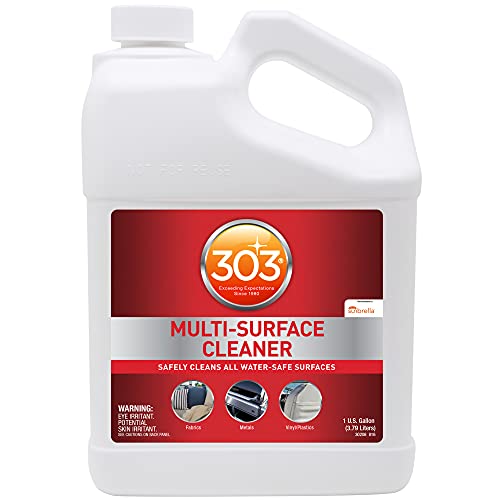
Purchase a fabric-safe cleaner, ideally one compatible with various materials. A mild dish soap mixed with water acts as a natural alternative. Always do a patch test on a hidden area first to ensure it won’t damage the surface. For tough stains, a solution of equal parts white vinegar and water can be effective.
Absorbent Materials
Stock up on clean microfiber cloths; they are excellent for lifting grime without scratching the surface. Paper towels can also be handy for initial blotting of spills. A sponge designed for delicate surfaces should be included for deeper cleaning. Be sure to have a bucket available for mixing solutions or rinsing tools.
Spot Clean Stains with Household Products
For quick removal of stains, I often rely on common items found around the house. Here are key methods I use:
Baking Soda Paste
To tackle oily or greasy marks, I mix baking soda with a small amount of water to create a paste. I then apply this paste directly to the stain, letting it sit for 15-20 minutes before gently blotting it away with a clean, damp cloth. This method helps absorb the oil without damaging the fibers.
Vinegar Solution
A mixture of equal parts white vinegar and water works wonders for many types of spills, including food or drink stains. I spray the solution directly onto the stain and gently blot it with a soft cloth, repeating the process until the stain lifts.
Dish Soap Remedy
I also use a few drops of mild dish soap mixed with warm water for more stubborn spots. After applying the soapy water and gently scrubbing with a soft brush or cloth, I wipe it clean with a damp towel to remove any soap residue.
- Always test any cleaning solution on an inconspicuous area first.
- Work from the outside of the stain toward the center to prevent spreading.
- Keep stains moist while working; do not let them dry out.
These techniques provide a straightforward approach to maintain my upholstery’s appearance without requiring specialized products.
Use a Fabric Cleaner for Deep Cleaning
I recommend selecting a high-quality fabric cleaner specifically designed for upholstery. Read the label carefully to ensure it’s suitable for your type of material. Prepare a small area for testing the cleaner. Apply a tiny amount to an inconspicuous location and wait for it to dry. This ensures no discoloration occurs.
Application Process
Once confirmed safe, apply the cleaner using a clean cloth or sponge. Work in small sections, gently scrubbing the surface in a circular motion. Avoid oversaturation to prevent water damage. Frequent rinsing of your cloth in clean water helps avoid spreading dirt around.
Drying and Maintenance
After treatment, allow the area to dry fully. Enhance air circulation in the room by using fans or opening windows. For upkeep, I suggest vacuuming weekly and addressing spills right away to maintain a fresh appearance.
Vacuum Regularly to Maintain Cleanliness
I vacuum my upholstered items weekly to prevent dust and dirt buildup. This simple practice helps maintain their appearance and prolongs their lifespan. I utilize a vacuum with an upholstery attachment to reach crevices and seams effectively.
Pay close attention to areas that often gather debris, such as armrests and cushions. Moving cushions and vacuuming underneath them ensures I capture hidden particles. It’s beneficial to use a vacuum cleaner with a HEPA filter to trap allergens and dust effectively.
For optimal results, I adjust the suction power based on fabric type to avoid damaging delicate materials. Incorporating this routine minimizes the effort needed for deeper cleaning sessions in the future, ensuring my pieces stay fresh and inviting.
Apply Protective Treatments After Cleaning
Once the upholstery is freshened up, I recommend applying a protective fabric treatment. This step helps repel spills and stains, significantly easing future maintenance. Choose a product specifically designed for the type of material you’re working with, ensuring compatibility to avoid damage.
Before application, confirm the fabric is completely dry. I typically test the protective spray on a small, inconspicuous area to observe any adverse reactions. Following the manufacturer’s instructions, I evenly spray the treatment over the surface, taking care not to saturate the fabric.
After application, allow adequate drying time. This ensures the treatment bonds with the fibers effectively. For optimal protection, I reapply the treatment every few months or as recommended, especially in high-traffic or heavily used areas. Using this method greatly enhances the longevity of the textile and keeps it looking pristine.
Know When to Seek Professional Help
If I encounter persistent stains that resist all attempts at removal, it becomes clear that calling in a specialist is necessary. Certain fabrics, like silk or velvet, often require expertise to avoid damage. In cases where odor or mold is deeply embedded in the material, a professional’s advanced techniques and equipment offer a reliable solution.
Signs Indicating Professional Intervention
Signs that indicate I should consult with a cleaning service include:
- Severe staining that does not respond to regular methods.
- Visible mold growth or an unpleasant smell that lingers.
- Fabric starting to wear or fray with self-treatment attempts.
Benefits of Professional Services
Utilizing a specialty service allows for access to products and techniques that aren’t available in a typical household setting. This can significantly enhance the longevity of the material and restore its original appearance, providing peace of mind for any valuable pieces. Prioritizing high-quality care ensures that the investment in these items remains intact over time.