
 Caleb Turner

Begin with a gentle rinse using a garden hose to remove loose dirt and debris. This initial step creates a clean surface for deeper care.
For those stubborn stains, mix a mild soap solution–just a few drops of dish soap in warm water. Utilize a soft-bristle brush to scrub the affected areas. This method is effective and prevents scratching the surface.
After scrubbing, rinse thoroughly to eliminate any soap residue. It’s essential to avoid harsh chemicals, as they can degrade the material over time.
To add a protective layer, consider using a specialized sealant designed for outdoor surfaces. Applying it periodically can preserve the appearance and extend the life.

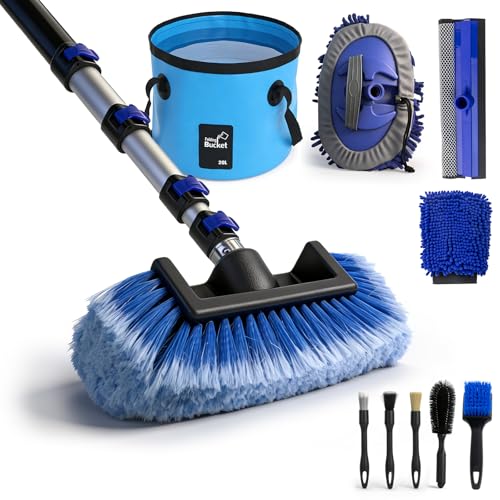

Lastly, store your items in a sheltered space during harsh weather conditions to maintain their integrity. Regular assessments and maintenance can significantly enhance the longevity of your outdoor seating.
Cleaning Recommendations for Outdoor Seating
I recommend using a soft brush or microfiber cloth to dust off any loose debris from the surface of your outdoor seating. This will help prevent scratching during the deeper cleaning process.
Removing Stains
For stubborn stains, a mixture of mild soap and water works wonders. Apply the solution with a soft cloth and rub gently in circular motions. Rinse thoroughly with clean water to avoid residue.
Maintenance Tips
To maintain the appearance, I suggest periodic washing with a solution of diluted vinegar and water. This not only helps to eliminate odors but also prevents the build-up of grime.
After cleaning, ensure everything is dry to avoid any moisture-related issues. Regular maintenance extends the life of your outdoor pieces and keeps them looking fresh.
Gather Necessary Cleaning Supplies
To properly refresh your outdoor seating and accessories, I recommend assembling the following items:
- Soft-bristled brush: Ideal for removing surface dirt without damaging the finish.
- Mild detergent: Choose an environmentally friendly option to avoid harsh chemicals.
- Bucket: Use to mix the cleaning solution and for rinsing.
- Soft cloths or sponges: Perfect for applying the cleaning solution and wiping down surfaces.
- Garden hose or spray bottle: For rinsing off any residue after scrubbing.
- Protective gloves: These will keep your hands safe from irritants while cleaning.
Additional Tools
- Soft microfiber towel: Excellent for drying surfaces without leaving scratches.
- Vacuum with a brush attachment: Useful for getting into crevices and removing dust.
- Oven cleaner (if needed): For tough stains, ensure it is safe for the material.
Organizing these supplies beforehand allows for a smoother process, ensuring I have everything I need within reach.
Remove Loose Debris and Dirt
Begin by using a soft-bristled brush or a handheld vacuum cleaner to eliminate any loose particles from the surfaces. Focus on crevices and corners where dust tends to accumulate. A microfiber cloth can also be effective for gathering debris, ensuring that it doesn’t scratch the finish.
Vacuuming Technique
When using a vacuum, select a low suction setting to prevent damage to the texture. Gently move the nozzle across the surface, paying special attention to the seams and joints. Avoid using attachments with rotating bristles, as they may scuff the material.
Brush Method
If opting for a brush, choose a design specifically for delicate surfaces. Use light pressure to ensure effective removal without causing abrasions. Brush in the direction of the grain, allowing debris to lift easily without embedding further into the material.
Prepare a Mild Soap Solution
I mix a gentle dish soap or a specific outdoor cleaner with water to create a soap solution that’s not abrasive. Typically, I use warm water as it helps dissolve dirt more effectively. My preferred ratio is usually around one tablespoon of soap for every gallon of water. This concentration effectively removes grime without causing damage.
After combining, I stir the solution gently to create suds, ensuring the soap is well-integrated without excessive bubbles.
For optimal results, I select non-toxic soap. When using a pre-made outdoor cleaner, I check the label for compatibility with poly-resin materials. Following the manufacturer’s guidelines ensures I’m using the right concentration.
| Ingredients | Measurement |
|---|---|
| Dish soap | 1 tablespoon |
| Warm water | 1 gallon |
Test Cleaning Solution on a Small Area
I recommend selecting a discreet spot on the surface to check for any adverse reactions. Apply a small amount of the prepared soap solution using a soft cloth or sponge. Let it sit for about five minutes to observe how the material reacts.
After the waiting period, gently wipe the test area with a damp cloth to remove the solution. Inspect the surface closely for any discoloration or damage. If the test area appears unaffected, it’s safe to proceed with cleaning the larger sections.
If any issues arise during the test, consider experimenting with a different cleaning mixture, ensuring that it’s suitable for the type of material you have. This step prevents potential damage before tackling more visible areas.
Clean the Surface with a Soft Cloth
I recommend using a soft, lint-free cloth to gently wipe the surface. This prevents any scratching while effectively lifting dust and grime. Begin at one corner and systematically work your way across the entirety of the piece. This method ensures complete coverage and avoids missing any spots.
Technique for Optimal Results
Use light, circular motions while applying minimal pressure. Avoid vigorous scrubbing; the goal is to lift debris without damaging the material. If the surface feels sticky or has residues, consider using a dampened cloth with your previously prepared mild soap solution for a more thorough approach. Follow up with a dry cloth to absorb any remaining moisture.
Regular Maintenance
Incorporating this simple practice into your routine will help maintain the look and feel of your outdoor seating pieces. Establish a weekly cleaning schedule to keep surfaces free from environmental pollutants. Regular attention can prolong their lifespan and preserve their appearance.
Address Stains with Appropriate Techniques
For stubborn marks, I tackle each type with specific methods. Oil-based stains, like grease or cooking oil, require a sprinkle of cornstarch or baking soda. Let it absorb for 15 minutes, then gently brush away the powder.
Water-based residues, such as juice or coffee, respond well to a simple solution. I mix warm water with a few drops of mild dish soap, applying it directly with a soft cloth. After treatment, I wipe the area with a damp cloth to remove any soap residue.
For ink stains, I dab the area with rubbing alcohol on a cotton ball. It’s important to blot, not rub, to avoid spreading. After the ink lifts, I follow with soapy water for clean-up.
With mildew, I combine equal parts vinegar and water in a spray bottle. I lightly mist the area and let it sit for a few minutes before wiping it down with a soft cloth. This helps eliminate both stains and odors.
Finally, for any remaining discoloration, I find mixing equal parts baking soda and water into a paste can do wonders. I gently rub it on the stain, let it dry, and then brush it off. This approach usually restores the finish effectively.
Rinse and Dry the Furniture Thoroughly
After applying the soap solution, it’s crucial to rinse the surfaces properly to remove any residue. I use a clean, damp cloth to wipe down the entire area. It’s essential to ensure that no soap remains, as this can attract dirt and lead to discoloration.
Rinsing Steps
- Grab a bucket filled with fresh water.
- Dampen a separate cloth or sponge with the water.
- Wipe down all surfaces using the damp cloth, ensuring I cover every nook and cranny.
- Change the water frequently to maintain cleanliness.
Drying Process
Once rinsed, drying is equally important. I take a dry, soft cloth to gently wipe surfaces, removing any excess water.
- Ensure all areas are dried thoroughly to prevent water spots.
- For hard-to-reach spots, I might use a microfiber cloth to absorb remaining moisture.
Completing this step will help maintain the appearance and longevity of the item, keeping everything looking fresh and vibrant.
Maintain Regular Cleaning Schedule
I recommend establishing a consistent routine for upkeep. Choose a specific day every week to engage in maintenance tasks, ensuring that accumulated dirt and grime are addressed promptly.
Set reminders to help you stick to this schedule; it can be as simple as a note on your calendar or a notification on your phone.
In addition, consider the environmental factors around where the items are placed. If exposed to harsh elements or high traffic areas, you might need to increase the frequency of your maintenance checks.
Keep a checklist handy to track tasks, such as dusting, wiping down surfaces, and inspecting for wear and tear. This helps identify potential issues early, allowing for quick interventions.
Being proactive will extend the lifespan and appearance of your outdoor seating and tables, making each cleaning session easier and more efficient.
Lastly, don’t forget the importance of seasonal deep cleans. This is a great time to refresh and rejuvenate, ensuring your pieces are well-protected for the upcoming months.
FAQ:
What materials are Breezesta furniture made of, and how does this affect cleaning?
Breezesta furniture is primarily made from recycled poly lumber, a durable, weather-resistant material that resembles wood. This type of material is low-maintenance, which means it can be cleaned easily without the risk of damage from water or chemicals. Using mild soap and water is typically effective for routine cleaning, and because the surface is non-porous, stains and dirt do not set in as easily as they might with traditional wood furniture.
What is the best way to remove tough stains from Breezesta furniture?
For stubborn stains on Breezesta furniture, a mixture of mild soap and water can be effective. Apply it with a soft cloth or sponge, rubbing gently to lift the stain. If the stain persists, a solution of vinegar and water or a specialized outdoor furniture cleaner can be tried. Always test any cleaner in an inconspicuous area first and rinse the surface with clean water afterward to avoid residue.
Can I use power washing to clean Breezesta furniture?
Power washing is generally not recommended for Breezesta furniture, as the high pressure can potentially damage the surface. Instead, a garden hose with a spray nozzle for a gentle rinse is more suitable. For deep cleaning, it’s better to use a soft brush or cloth along with a mild detergent, allowing you to clean effectively without risking harm to the furniture.
How often should I clean my Breezesta furniture?
Regular maintenance for Breezesta furniture involves cleaning it at least a few times during the outdoor season, especially if it has been exposed to dirt, pollen, or bird droppings. Depending on your environment, you may find that a more thorough cleaning is necessary after particularly heavy use or adverse weather conditions. In general, keeping up with regular cleaning will help maintain its appearance and longevity.
Is there any special maintenance needed for Breezesta furniture in winter?
Breezesta furniture is designed to withstand various weather conditions, including winter temperatures. While no special maintenance is required, storing the furniture in a sheltered area, like a garage or shed, can prolong its life. If left outdoors, it’s wise to ensure it’s clean to prevent mold or mildew buildup. Covering the furniture with breathable covers can also be beneficial in protecting it from snowfall and ice accumulation.
What materials do I need to clean Breezesta furniture?
To clean Breezesta furniture effectively, gather a few basic supplies. You will need a soft cloth or sponge, mild soap or detergent, water, and a bucket. If there are tough stains, consider using a soft-bristle brush. For additional care, a dedicated outdoor furniture cleaner can also be used. Avoid harsh chemicals or abrasive tools to maintain the finish of the furniture.


