
 Caleb Turner
Utilizing a rubber glove is my go-to technique for efficiently gathering pet fur from upholstery. Simply dampen the glove slightly and run your hand over the affected areas. The static electricity generated by the rubber attracts the fibers, making removal effortless.
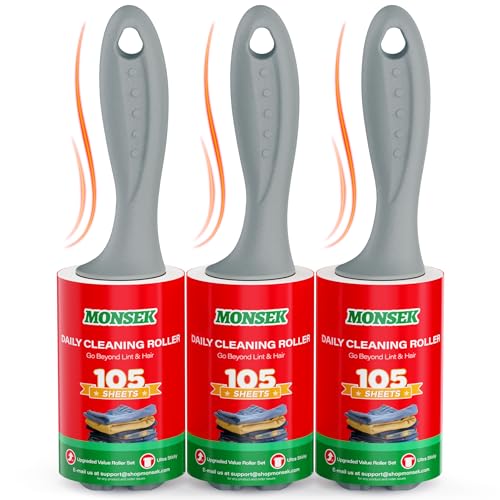
Another effective method I employ involves using a lint roller or adhesive tape. Rolling it across the surface rapidly picks up stubborn strands. For larger sections, I tear off strips of tape, apply them directly to the fabric, and press firmly before peeling away.


Vacuuming is indispensable in this process. I ensure to use a vacuum cleaner equipped with a brush attachment to dislodge any embedded fluff. Going against the fabric grain aids in lifting fur that’s deeply embedded. Regular vacuuming maintains neatness and prevents buildup over time.
In cases of persistent clinging, I resort to a damp cloth or sponge. After lightly moistening, I drag it across the surface, gathering remnants effectively. Alternating techniques caters to different materials and keeps my spaces fur-free.
Removing Pet Fur from Your Upholstered Surfaces
I find that using a damp sponge or cloth is a straightforward method. Lightly moisten the surface, then gently wipe. The moisture attracts the fibers, making it easier to gather them in one go.
Rubber gloves come in handy as well. By wearing them and running your hands over the targeted area, the static electricity generated helps lift the strands off effectively.
Another useful approach is utilizing a lint roller. Keep it nearby for quick touch-ups; just roll it over the surface, and those tiny strands will stick to the adhesive sheets.
If the situation requires more effort, a vacuum with a brush attachment works wonders. Its powerful suction can pull out fur embedded deeply within fibers. Ensure the nozzle fits snugly against the textured surface for maximum effect.
For a longer-term solution, investing in a pet-specific fabric brush could be beneficial. These brushes are designed to tackle fur without damage, making it easier to maintain cleanliness regularly.
- Moisten a sponge or cloth lightly for easy gathering.
- Use rubber gloves for static attraction.
- A lint roller provides a quick fix.
- Employ a vacuum with a brush attachment for deeper cleaning.
- Consider a specialized fabric brush for consistent maintenance.
Choosing the Right Tools for Pet Hair Removal
Investing in quality tools makes a significant difference. I rely on a variety of effective instruments to tackle the challenge.
- Lint Rollers: An affordable option, these sticky sheets lift stubborn fibers with ease. Keep one in multiple locations for quick access.
- Rubber Gloves: Dampen a pair of rubber gloves and run your hands over surfaces. The static electricity creates a bond with the fibers, pulling them off efficiently.
- Fabric Brushes: These brushes are specifically designed with bristles that grab and hold onto lint and other particles. They can work wonders on upholstery and clothing.
- Vacuum Cleaners: Choose models with pet hair attachments. Some feature special settings designed to capture fur more thoroughly from carpets and upholstery.
- Electrostatic Duster: This tool attracts fine particles and hair. It’s particularly useful for delicate surfaces or hard-to-reach areas.
- Microfiber Cloths: These absorbent cloths are excellent for trapping fur while also cleaning surfaces. They can be moistened for added effectiveness.
Having the right tools on hand allows me to maintain a fur-free environment with minimal effort. Prioritize what fits your lifestyle and needs best.
Using Lint Rollers for Quick Cleanups
I rely on lint rollers for swift removal of pet fur from various surfaces. These handy tools come with adhesive sheets that effectively lift unwanted fibers without causing damage to materials. For best results, choose a roller with strong adhesive, ensuring it captures more strands in fewer passes.
To maximize the efficiency of the roller, I use a technique where I roll in one direction only, avoiding back-and-forth motions that can reduce its effectiveness. For larger areas, utilizing a roller with a wider surface can shorten the time spent on tidying. When it becomes fully loaded, simply peel away the used sheet to expose a fresh one.
In addition to typical rollers, I keep specialty varieties on hand, such as those designed for delicate fabrics. These gentler options prevent any potential snagging while still doing an excellent job of removing debris. I also find it helpful to have travel-sized rollers available to manage unforeseen messes while away from home.
Regular use of these rollers not only keeps my surroundings looking cleaner but also reduces allergens that may accumulate from shedding pets. By incorporating this simple tool into my routine, I can maintain a tidy space with minimal effort.
Vacuum Attachment Techniques for Upholstery
Attach a soft brush accessory to your vacuum cleaner; this will help dislodge embedded particles while preventing damage to delicate fabrics. Start at the edges of the upholstery, slowly moving towards the center in smooth strokes. This technique ensures thorough removal without creating static cling.
Utilize a crevice tool for tight spaces between cushions and seams. Position the nozzle at a slight angle for better suction and access to hard-to-reach areas. It’s effective for corners and crevices where debris tends to accumulate.
Consider using a rubber nozzle attachment; it can generate static, effectively pulling fibers away from the upholstery. Lightly run the attachment across surfaces, allowing the rubber to attract and lift unwanted remnants with ease.
For larger upholstered items, employ a wide nozzle. It covers more surface area, making it suitable for bigger sections. Work methodically, ensuring even coverage to avoid missing spots. Repeat the process as necessary to achieve optimal results.
Lastly, control the vacuum’s suction power appropriately. Too much force can damage soft fabrics, while too little may not adequately remove particles. Adjust the settings based on the fabric type to ensure a balance between effective removal and fabric care.
DIY Rubber Glove Method for Removing Hair
For a simple and economical approach, I recommend using a rubber glove to eliminate fur from surfaces. Start by putting on a standard rubber glove, which provides the right amount of friction. Lightly dampen the glove with water; this helps attract the fur. Next, glide your hand over the upholstery or item, applying a gentle pressure. The static and texture of the glove will pull the strands away from the fabric effectively.
For larger areas, I find it useful to use a sweeping motion, gathering clumps of fur together. Once I collect a sufficient amount, I can grab it easily and discard it. Rinse off the glove occasionally to maintain its effectiveness as it may become covered in debris.
This method works well on various materials, including couch fabric and bedding. Plus, there’s no need for special products, making it a practical solution for quick touch-ups. Keep a rubber glove handy; it’s an excellent tool for maintaining a fur-free environment.
Washing Furniture Covers and Fabrics Properly
Begin by checking the care labels on your covers. Most machine-washable items should be cleaned in cold water to prevent shrinking or fading. Always use a gentle cycle to protect the fibers.
Pre-treatment Steps
If there are embedded particles, gently brush them away before washing. For tougher stains, apply a small amount of fabric-safe stain remover directly to the affected area. Let it sit for about 10-15 minutes to work into the fabric.
Drying Techniques
After washing, hang the covers to air dry whenever possible. This method helps maintain the shape and integrity of the fabric. If using a dryer, select a low heat setting to avoid damage. Be cautious of using dryer sheets, as they can leave residue that attracts more lint.
Regular Maintenance to Prevent Hair Build-Up
Establishing a consistent routine with regular grooming can significantly reduce the amount of fur that accumulates in your living space. Brushing pets multiple times a week not only helps to remove loose strands but also minimizes the amount transferred to your upholstery.
Incorporate frequent vacuuming into your cleaning schedule. Using a vacuum equipped with a pet hair attachment consistently will assist in minimizing fur on surfaces. Aim for at least once a week in high-traffic areas where pets commonly rest.
Consider investing in a washable throw or blanket for areas pets favor. This makes it easy to toss the fabric in the wash, ensuring a cleaner sitting area. Additionally, regular laundering of these items prevents build-up.
Utilizing a damp cloth or sponge can catch stray strands while dusting surfaces. Keeping surfaces tidy and free from debris prohibits excessive accumulation.
Implement a no-pet zone policy for certain furniture to create designated areas for people and pets. This separation can help in controlling where fur collects.
| Tip | Frequency |
|---|---|
| Pet grooming | 3-4 times a week |
| Vacuuming | Weekly |
| Washing throws/blankets | Every 1-2 weeks |
| Dusting with damp cloth | Weekly |
| Designated pet-free areas | Ongoing |
By maintaining these practices, I can significantly reduce the struggle with fur, resulting in a cleaner and more pleasant living environment.


