
 Caleb Turner
I recommend using a soft, lint-free cloth to gently wipe the surface of your cherished aged items. This helps remove dust without scratching the delicate finish. For a deeper cleanse, a mixture of mild soap and warm water can be applied using a damp cloth; ensure the fabric is not overly wet to avoid damage.
When tackling stubborn spots or stains, consider mixing equal parts white vinegar and olive oil. This natural solution not only lifts grime but also adds a touch of shine. Apply it sparingly, following the grain of the surface to preserve the integrity of the finish.
To protect these valuable pieces, avoid harsh chemicals or commercial cleaners that may contain abrasives. Always perform a patch test on a discreet area before widespread application to ensure no adverse reaction occurs. Regular maintenance will significantly prolong the life of your treasured possessions.
Care for Vintage Finishes
Begin with a soft, lint-free cloth to gently wipe away dust. Avoid paper towels as they can scratch the surface. For light residue, a mixture of warm water and a few drops of mild dish soap works effectively. Dampen the cloth with this solution, wring it out well, and gently buff the area.
Address Stains and Scuffs
For deeper marks, consider using a soft sponge and a mixture of equal parts vinegar and olive oil. Apply this blend sparingly, rubbing it with the grain. Follow with a clean, dry cloth to polish the surface. Be cautious with any abrasive cleaners; they can damage the finish.

Preventive Care
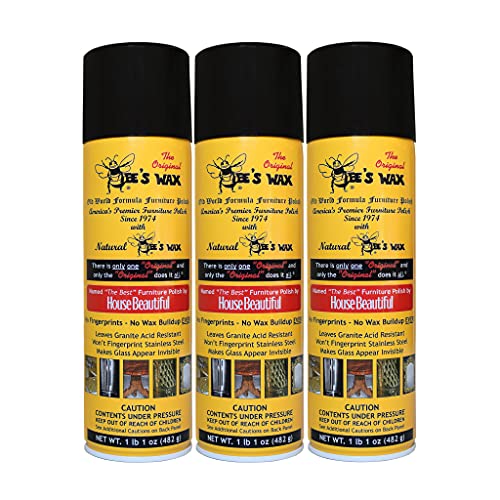
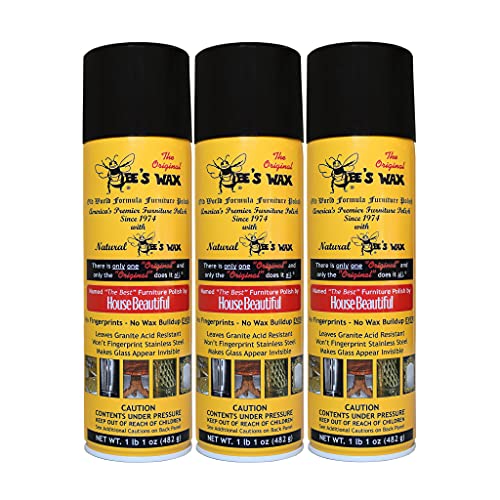
Position your piece away from direct sunlight and heat sources to minimize fading and cracking. Regularly dust and use coasters to avoid moisture rings. A dedicated furniture wax may be applied quarterly to enhance the shine and provide a protective layer.
Gather Necessary Cleaning Supplies and Tools
I recommend collecting a few key items to ensure a thorough and careful approach. First, a gentle microfiber cloth is ideal for dusting and wiping down surfaces without causing scratches. Next, using distilled water mixed with a small amount of mild soap creates a safe solution for any sticky residue. It’s important to have a soft-bristled brush on hand for hard-to-reach areas or intricate details.
An old toothbrush can serve well for more delicate spots, allowing me to apply just the right amount of pressure. I also find it useful to have a container for mixing my cleaning solution and a separate, dry cloth for drying surfaces afterward. If any stubborn stains persist, a small quantity of beeswax polish can help protect and restore shine, so I always keep some nearby. Lastly, wearing gloves protects my hands and prevents oils from my skin transferring to the surface.
Dusting and Initial Surface Cleaning Techniques
I recommend using a soft, lint-free cloth for dusting. This prevents scratches and effectively lifts dust without transferring it around. Microfiber cloths are especially great for this task due to their texture and absorbency.
Begin by gently wiping down the surfaces, working in the direction of the grain. Avoid vigorous rubbing, as this can damage the finish.
Initial Surface Treatment
For light stains or residues, slightly dampening the cloth with distilled water is effective. Ensure that the cloth is not overly wet; excess moisture can seep into seams or joints, leading to potential damage. Follow up with a dry cloth to remove any moisture promptly.
Regular Maintenance Tips
Incorporating dusting into your weekly routine helps maintain the integrity of the item. A quick once-over each week prevents buildup and keeps surfaces looking their best. Additionally, consider placing the items away from direct sunlight to minimize fading and deterioration over time.
Choosing the Right Cleaning Solution for Lacquer Finish
For maintaining the integrity of a polished surface, my go-to options include gentle, pH-neutral cleaners specifically formulated for fine finishes. Water and mild soap can work well, but it’s crucial to dilute them properly to avoid any unintentional damage.
It’s recommended to avoid ammonia-based or abrasive solutions, as these can strip the protective layer or leave unwanted scratches. Instead, I prefer to use solutions that include natural ingredients, ensuring they are safe for delicate coatings.
Recommended Cleaning Solutions
| Solution Type | Constituents | Application Method |
|---|---|---|
| Mild Soap and Water | Liquid castile soap diluted with warm water | Soft cloth dampened, then wiped gently |
| Commercial Furniture Cleaner | pH-neutral solutions | Apply according to manufacturer’s directions |
| Olive Oil and Vinegar Mix | 1 part olive oil, 1 part white vinegar | Apply with a soft cloth, buffing gently |
Before applying any solution, I test it on an inconspicuous area to ensure compatibility with the wood’s surface. This step helps confirm that there will be no adverse reactions during the cleaning process.
Lastly, it’s beneficial to stay informed about new products that enter the market. Some may offer enhanced protection specific to older coatings, thus further preserving the quality and appearance over time.
Testing for Damage in a Discreet Area
I recommend checking for any potential damage before applying any cleaning agents to your valuable piece. Choose an inconspicuous section, such as the underside of a leg or the back of a drawer. This way, if something goes wrong, it won’t be visible.
Steps to Test
- Gather a soft cloth and the cleaning solution you’ve chosen.
- Apply a small amount of the solution to the cloth, ensuring it is damp but not saturated.
- Gently rub the selected area, using a light touch to avoid abrasion.
- Observe any changes in color, texture, or glossiness. If the finish remains intact after a few moments, progress further with confidence.
What to Look For
- Discoloration: Check for any fading or darkening.
- Surface Clarity: Assess if the shine diminishes or if a haze develops.
- Peeling or Cracking: Notice if any pieces start to lift or show signs of damage.
If any negative reactions occur during this test, it’s wise to reconsider your cleaning approach and potentially seek professional guidance specifically for restoration. Keeping your piece intact is the priority, so the test is crucial before any extensive efforts.
Applying Cleaning Solution Without Causing Harm
Before applying any solution, I ensure my workspace is well-ventilated. I use a soft, lint-free cloth to reduce the risk of scratching the surface. Dampen the cloth lightly with the chosen cleaning mixture–excess moisture can lead to damage. I avoid soaking the fabric, focusing instead on a quick wipe over the area.
In circular motions, I apply the solution delicately, never scrubbing vigorously. This technique helps to lift dirt without compromising the finish. If I encounter stubborn spots, I allow the solution to sit for a moment before revisiting the area with a gentle touch. It’s crucial to change the cloth frequently to prevent spreading dirt around.
When working on intricate designs or crevices, I utilize a soft-bristle brush, ensuring it’s dampened, not wet. This allows me to reach those tight spots without applying excessive force. After the application, I take a separate dry cloth to wipe away any remaining solution, ensuring no residue remains that could attract more dirt.
Periodically, I step back to assess the results. If any area appears uneven or damaged, I immediately cease further application and reconsider my approach, prioritizing the integrity of the piece. Patience and careful observation are key in maintaining the beauty of the item.
Drying and Preventive Care After Cleaning
After the cleaning process, it’s critical to ensure that every surface is thoroughly dried to prevent moisture damage. I recommend using a soft, dry microfiber cloth to gently pat down the cleaned areas, absorbing any remaining moisture.
Specific Steps for Drying
- Avoid direct sunlight, as it can warp or fade finishes.
- Position furniture in a well-ventilated area to promote air circulation.
- Leave doors and drawers slightly ajar to facilitate thorough drying inside compartments.
Once everything is dry, applying a light coat of wax designed for these finishes can enhance protection against future wear. Here are tips for preventive maintenance:
Preventive Maintenance Tips
- Regularly dust surfaces with a soft cloth to minimize the buildup of dust and debris.
- Use coasters and placemats to shield against scratches and heat damage.
- Avoid using harsh chemicals or abrasive materials during routine care.
- Check for signs of wear or discoloration periodically, addressing issues promptly to prevent further damage.
By following these guidelines, I can ensure the longevity and beauty of my cherished pieces, keeping them in excellent condition for years to come.


