
 Caleb Turner

Begin with a mixture of equal parts vinegar and olive oil, applied with a soft cloth. This solution not only removes grime but also infuses moisture, rejuvenating surfaces.
For stubborn stains, a gentle paste of baking soda and water can be created. Apply it to the affected area, let it sit for a few minutes, then wipe away with a damp cloth.
Buffing with a clean, dry microfiber cloth enhances the surface’s natural luster. Use circular motions to evenly distribute any remaining oils and achieve that polished look.

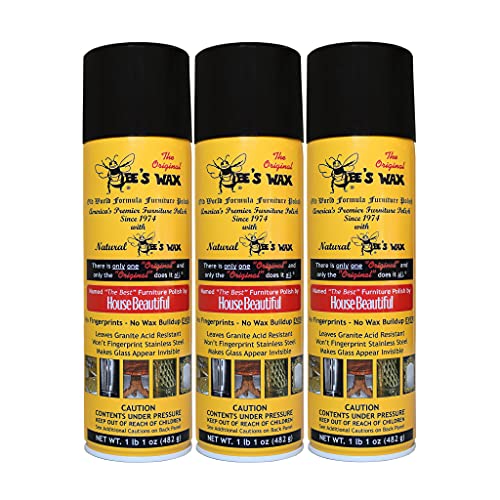

Regular dusting using a microfiber cloth helps maintain the visual appeal of your pieces. Incorporate this practice into your cleaning routine to prevent buildup over time.
Cleaning Process for Natural Surfaces
I recommend using a soft cloth moistened with a mixture of equal parts vinegar and olive oil. This combination not only removes dust but also enhances the grain of the material. Apply the mixture sparingly to the cloth instead of directly onto the surface to avoid excess moisture.
Steps to Follow
- Dust surfaces with a microfiber cloth to prevent scratches.
- Gently wipe with the vinegar-olive oil solution in the direction of the grain.
- For sticky areas, consider using a mild dish soap mixed with warm water on a damp cloth, followed by immediate drying.
Finishing Touches
After cleaning, I suggest using beeswax or a dedicated polish specifically for natural materials. Apply a small amount to a fresh cloth, then buff in circular motions. This not only provides a layer of protection but also enhances the luster.
Regular dusting and occasional application of wax or polish will maintain the aesthetic appeal and help protect the surface from wear.
Choosing the Right Cleaning Solution for Wood
Opt for a gentle, pH-balanced mixture to preserve the integrity of your surface. A blend of distilled water and white vinegar in equal parts serves as a natural option, effective in removing grime without causing damage.
Commercial Products
When selecting a store-bought solution, look for formulas specifically designed for your type of timber. Ensure it’s free from harsh chemicals like ammonia or bleach, which can lead to discoloration over time.
Natural Alternatives
Consider olive oil mixed with lemon juice to nourish and revitalize. This combination not only cleans but also imparts a subtle glow, ideal for maintaining luster.
Step-by-Step Guide to Dusting Wood Furniture
Begin with a microfiber cloth, as it captures particles effectively without scratching surfaces. Ensure the cloth is dry for optimal dust removal.
- Gently wipe along the grain to avoid damaging the finish. This method collects dust rather than spreading it around.
- For hard-to-reach areas, use a soft-bristle brush or a cotton swab to dislodge dust from crevices.
- Frequently shake out the cloth to prevent dust from accumulating. This keeps the cleaning process efficient.
- After dusting, check for any overlooked spots. Don’t rush; thoroughness is key.
- If necessary, finish with a polish designed for natural surfaces, applying sparingly with a separate clean microfiber cloth.
Repeat this process weekly to maintain a pristine look and prolong the lifespan of your treasured items.
Techniques for Removing Stains from Wood Surfaces
To tackle stains on surfaces, I often start with a simple mixture of equal parts vinegar and olive oil. Applying this blend with a soft cloth can effectively lift minor spots. Gently rub the stained area, allowing the solution to penetrate for several minutes before wiping it off with a clean, dry cloth.
Baking Soda Method
For tougher marks, I create a paste using baking soda and a few drops of water. This paste is applied directly to the stain and left for a few minutes. After that, I gently scrub with a soft cloth or a sponge. It’s essential to follow up with a damp cloth to remove any residue, ensuring no baking soda is left behind.
Commercial Products
If stains persist, I rely on specific commercial stain removers designed for polished surfaces. I always check the instructions to ensure compatibility and test it on an inconspicuous area first. This helps prevent any potential damage before applying it to the affected regions.
Polishing Wood Surfaces Safely
Before applying any polish, test it on a hidden area to ensure compatibility. This prevents damage or discoloration. I prefer natural oils, like lemon or almond oil, combined with beeswax for a safe, effective solution.
Application Tips
Using a soft, lint-free cloth, gently apply the polish in circular motions. Work with the grain to avoid streaks and unevenness. I find that less is more; start with a small amount and build up as needed.
Maintenance and Frequency
Regular maintenance enhances the finish while minimizing the need for heavy polishing. I recommend doing this every few months to maintain a beautiful appearance without compromising the integrity of the surface.
Understanding the Best Tools for Wood Care
Microfiber cloths are my go-to for maintaining surfaces; they trap dust and dirt without scratching delicate finishes. For stubborn grime, I rely on soft-bristle brushes that can reach crevices without harm. Use an old toothbrush for small joints or engravings.
For polishing, a cotton rag works wonders. It’s durable and absorbs liquid well, providing an even application of oils or wax. I’ve found that foam applicators are helpful for less intricate items, ensuring even coverage without excess product.
When tackling tougher spots, non-abrasive sponges can help lift marks without damaging the grain. It’s beneficial to keep a set specifically for restoration tasks to avoid cross-contamination with regular cleaning supplies.
A quality spray bottle is a must-have. I prefer one that provides a fine mist, allowing me to control the amount of product applied without oversaturating surfaces. This practice helps maintain the integrity of the finish while ensuring effective cleaning.
Lastly, consider a dedicated tool kit that includes all these essentials. Having everything in one place makes maintenance straightforward and consistent, ensuring your cherished pieces retain their beauty over time.
Tips for Preventing Future Damage to Wooden Fixtures
Maintain a consistent humidity level between 30-50% to avoid warping and cracking. Consider using a dehumidifier in humid months or a humidifier in winter.
Place coasters or mats under beverages to prevent ring marks. Protect against heat by using trivets or hot pads for hot items.
Avoid direct sunlight exposure by positioning pieces away from windows or using sheer curtains to diffuse sunlight.
Regularly rearranging items on surfaces helps prevent uneven fading or denting. Limit heavy decor on any single spot to distribute weight evenly.
Mind the cleaning agents; harsh chemicals can strip protective finishes. Opt for pH-balanced products that are specifically formulated for natural surfaces.
| Risk Factor | Preventive Action |
|---|---|
| High humidity | Use a dehumidifier |
| Heat damage | Utilize trivets or pads |
| Sunlight exposure | Adjust position or use curtains |
| Uneven weight | Distribute items evenly |
| Harsh chemicals | Choose pH-balanced cleaners |
Consider using felt pads under legs to prevent scratches on floors. This simple layer can significantly reduce wear.
Incorporate routine checklists for maintenance tasks. This can help ensure nothing is overlooked over time, allowing for proactive care.
Restoring Shine to Dull Finishes
Mix equal parts of vinegar and olive oil. Apply the solution to a clean, soft cloth, and gently rub it onto the surface in a circular motion. This method helps lift away grime while enhancing the natural luster.
If the surface shows deeper scratches or signs of wear, consider using a wax-based polish. Ensure the area is free of dust, then apply the polish with a soft cloth, following the wood grain. Buff it gently until the desired sparkle is achieved.
Another approach is to use a commercial wood conditioner. Choose a product designed for your specific type of finish. Apply according to the manufacturer’s instructions, typically by spreading it evenly with a cloth and allowing it to absorb before buffing away excess.
For more resilient finishes, a fine-grade steel wool can be utilized. Lightly rub the affected area in the direction of the grain. Finish by applying a protective product like beeswax or a furniture polish to restore shine.
Regular maintenance is key. Periodically reapply whichever solution you choose, ensuring surfaces remain nourished and protected from future dullness.
Maintaining Wood Furniture’s Appearance Over Time
Regular application of protective coatings like wax or a specialized finish can dramatically extend the life of my treasured pieces. I often apply a fresh layer every six months to enhance the surface and keep it safe from oxidation and dust accumulation.
Humidity control within my living space is crucial. Maintaining an environment with a relative humidity level between 40% and 60% helps prevent warping and cracking. I utilize a dehumidifier during dry months and a humidifier in winters to create a balanced atmosphere.
Positioning is key; I avoid placing pieces near sources of direct sunlight or heat, such as radiators and HVAC vents. This precaution helps preserve the natural color and integrity of the material.
Periodic inspection for signs of wear, such as scratches or lifts in the finish, allows for timely repairs. I find that addressing these issues quickly prevents costlier fixes later. Simple touch-up markers or repair kits are often effective for minor imperfections.
Finally, I invest time in a thorough cleaning routine, using soft, lint-free cloths to avoid scratches, and gently removing spills or stains immediately to prevent permanent marks or deterioration. Consistency in these practices pays off by ensuring my pieces maintain their original allure for generations.


