
 Caleb Turner

Using a mixture of vinegar and water in equal parts creates an excellent solution for refreshing your surfaces. This natural compound effectively removes dust and minor stains without damaging the finish. A soft microfiber cloth works wonders to apply the solution gently, avoiding any harsh scrubbing that might scratch.
To enhance the shine, consider applying beeswax or a specialized wax for timber products. After ensuring the surface is dry, use a clean cloth to buff the wax into the grain, allowing it to penetrate while providing a protective layer. This method not only beautifies but also adds an extra shield against everyday wear and tear.
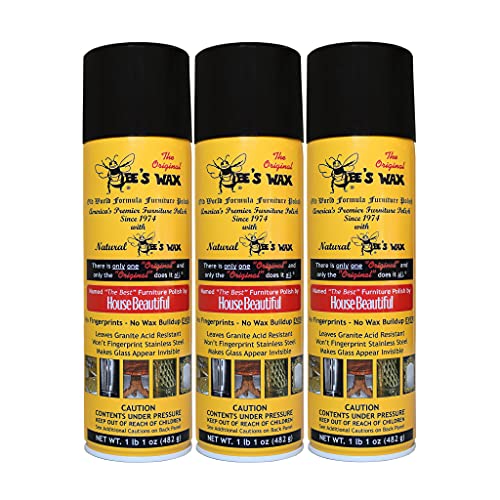


For deeper maintenance, exploring a commercial oil or silicone-based conditioner can revive the luster of your items. Carefully follow the manufacturer’s instructions, applying evenly to avoid build-up or residue. Regular treatment keeps your pieces looking new and extends their lifespan significantly.
Maintenance of Timber Surfaces
I recommend using a damp microfiber cloth for regular maintenance. This effectively removes dust and minor debris without scratching. Avoid harsh chemicals; instead, opt for a mixture of mild soap with warm water for deeper cleaning sessions.
<pFor a natural sheen, I utilize a blend of olive oil and vinegar in equal parts. This mixture not only enhances the surface but also nourishes the material. Apply it with a cloth, buffing it gently in the direction of the grain.
Make a habit of placing coasters under beverages to prevent ring stains. Additionally, consider using felt pads under objects to avoid scratches and dents on the surface.
For stubborn spots, I find that a paste made from baking soda and water can be effective. Apply it gently, allowing it to sit for a few minutes before wiping it away with a damp cloth.
Seasonal treatment with specialized products tailored for timber can provide added protection and longevity. Focus on areas exposed to sunlight; applying a UV protectant can help maintain their integrity.
Choosing the Right Cleaning Products for Wood
Opt for pH-balanced cleaners specifically formulated for natural surfaces. Avoid harsh chemicals that can strip the finish or damage the grain.
I recommend water-based solutions as they tend to be milder on treated surfaces. Look for products that include natural oils like lemon or almond, which not only cleanse but also nourish the material.
Steer clear of silicone-based sprays; while they may provide temporary shine, they can create a slippery residue that attracts dirt and dust.
Test any new product on a small, inconspicuous area. This ensures compatibility with the existing finish and helps avoid potential discoloration or damage.
Consider using microfibre cloths for application as they trap dirt without scratching. Pair these with gentle circular motions to maintain the integrity of the surface.
If your preference leans towards DIY solutions, a mixture of vinegar and olive oil can work well. Combine one part vinegar with two parts oil–this blend effectively removes grime while leaving a protective layer.
Lastly, always read labels for any specific instructions or warnings to ensure the longevity of your items.
Preparing Your Wooden Items for Cleaning
Begin with a thorough inspection of the piece. Check for any loose parts, scratches, or areas needing repair. Addressing these issues beforehand prevents damage during the upkeep process.
Gather necessary tools:
- Soft microfiber cloths
- Small paintbrush or makeup brush for crevices
- Vacuum cleaner with a brush attachment
Remove all decorative elements, tableware, or personal belongings from surfaces. This step protects items from potential spills or stains and allows for a comprehensive approach.
Utilize a vacuum cleaner on low settings to eliminate dust and debris from the surfaces and in any intricate designs. Pay special attention to corners and hidden spots.
Ensure the space is well-ventilated. Open windows to promote airflow, which can aid in drying and reduce lingering odors from cleaning products.
Test any cleaning solution on an inconspicuous area first to ensure there’s no adverse reaction. This precaution saves time and preserves the integrity of your possessions.
Step-by-Step Guide to Dusting Wooden Surfaces
Begin with a microfiber cloth. This material traps dust effectively without scratching delicate finishes. Avoid cotton rags, as they may leave fibers behind.
Gently wipe the surface in straight lines, applying minimal pressure. Circular motions can lead to streaks or damage, especially on glossy finishes.
For crevices, use a soft-bristled brush, like a paintbrush or a toothbrush. This helps remove dust from intricate designs without causing harm.
Consider using a slightly damp cloth for stubborn dust accumulation. Ensure the cloth is not dripping, as excess moisture can warp or stain.
Dust regularly. Establish a routine to maintain the look of your pieces. Aim for once a week in high-traffic areas, and less frequently in low-use spaces.
For larger items, work from top to bottom to avoid redistributing dust onto cleaned areas. This method ensures a thorough approach.
Finally, apply a dust-repelling treatment occasionally. Products designed to create a barrier can help keep surfaces cleaner for longer.
Deep Cleaning Techniques for Stained Wood
For tough stains, I apply a mixture of equal parts vinegar and olive oil. I use a soft cloth to gently rub the solution onto the affected area, always following the grain. Afterward, I buff with a clean, dry cloth to remove excess moisture.
To deal with sticky residues, I create a paste using baking soda and water. I spread this mixture over the stain, allowing it to sit for a few minutes before gently scrubbing with a microfiber cloth. This technique lifts grime without harming the surface.
For ingrained dirt or marks, I use a diluted combination of dish soap and warm water. Dipping a soft sponge into the solution, I lightly scrub the area, ensuring not to soak the item. After cleaning, I wipe with a damp cloth and then dry thoroughly.
If there’s a need to address deeper scratches, I blend a bit of furniture wax with a matching stain or crayon. Applying this mix with a cloth fills in scratches, while also giving the finish a refreshed look.
| Stain Type | Recommended Technique | Notes |
|---|---|---|
| Water Stains | Vinegar and Olive Oil | Rub gently along the grain |
| Sticky Residue | Baking Soda Paste | Leave on for a few minutes before scrubbing |
| Deep Dirt | Dish Soap and Water | Do not soak the surface |
| Scratches | Wax and Matching Stain | Helps to blend imperfections |
For stubborn or unusual marks, I consult specific product guidelines, ensuring compatibility with the finish. Regular maintenance, combined with these techniques, prolongs the life and beauty of my cherished pieces.
How to Remove Scratches from Wood Furniture
For minor scratches, I mix a tablespoon of olive oil with a tablespoon of vinegar. I apply it with a soft cloth, rubbing gently along the scratch until it fades. This solution nourishes the finish while blending the mark in with the surrounding area.
For deeper scratches, I use a touch-up marker or crayon that matches the stain of the surface. After applying the color, I let it dry and then buff it with a clean cloth for a seamless restoration.
Using Nuts for Repair
A surprising yet effective method involves using walnuts. I rub the meat of a walnut directly over the scratch. The natural oils from the nut fill in the gap, often making the scratch less visible. It’s simple yet potent.
Homemade Paste Solution
An alternative involves creating a paste with equal parts baking soda and water. I apply this paste to the scratch and let it sit for a few minutes, then wipe it off gently with a damp cloth. This approach can help diminish the appearance of more serious imperfections.
The Best Methods for Polishing Wood Finish
I recommend using natural oils, such as lemon or linseed oil, to enhance the shine of any stained surface. Apply a small amount onto a clean, soft cloth and work it into the grain, ensuring even coverage.
Buffing Techniques
For a deeper shine, I use a microfiber cloth to buff the finish after applying oil. This method not only increases luster but also helps remove any residue left on the surface. Employ circular motions to avoid streaks.
Commercial Products
If opting for store-bought solutions, I find beeswax-based polishes to be effective. They provide a protective layer and a natural finish. Always test a small area first to check compatibility with the existing finish.
Maintaining the Luster of Your Wooden Furniture
To preserve the shine of my furniture, I focus on regular upkeep. I apply a thin layer of high-quality beeswax or natural oil as a protective barrier, which enhances the finish and provides a subtle glow. This method aids in repelling dust and moisture, keeping surfaces looking fresh and vibrant.
Routine Care Routines
Weekly maintenance includes dusting with a microfiber cloth. I ensure to avoid abrasive materials, which can damage the surface. If necessary, I mist the cloth with a specialized spray, designed for the finish type, to enhance the effect while wiping.
| Frequency | Action | Product Recommendation |
|---|---|---|
| Weekly | Dusting | Microfiber cloth |
| Monthly | Waxing | Beeswax or Carnauba wax |
| Yearly | Deep conditioning | Linseed oil or Mineral oil |
Protective Measures
I utilize coasters and placemats to shield surfaces from heat and moisture when placing items. Additionally, I position the furniture away from direct sunlight to prevent fading and cracking of the finish over time. Regularly inspecting for potential issues helps in addressing them before they escalate.
Avoiding Common Mistakes When Cleaning Wood
Avoid using excessive moisture. A damp cloth is sufficient; excess water can warp and damage surfaces.
Steer clear of abrasive materials. Scrub pads or rough cloths can scratch and ruin the finish. Opt for microfiber or soft cotton instead.
Remember to test products before applying. Applying any solution on an inconspicuous area ensures compatibility with the finish.
- Never use vinegar or ammonia. These substances can deteriorate the finish over time.
- Avoid ignoring manufacturer recommendations. Following guidelines extends the life and beauty of the piece.
- Don’t skip drying. Properly drying surfaces prevents streaks and water spots.
Be cautious with sunlight exposure. Direct sunlight can fade finishes and discolor materials. Ensure proper placement or use curtains to mitigate sunlight impact.
Don’t rush through the process. Taking time ensures effective removal of dirt without causing damage.
Finally, avoid over-application of oils and waxes. A thin layer is far more effective than a heavy application, which can lead to buildup and a sticky feel.


