
 Caleb Turner
Begin by assessing the weight and dimensions of the piece. If it’s too cumbersome to manage alone, break it down into smaller parts or seek assistance. However, if the object allows for a solo effort, equip yourself with proper tools such as a furniture dolly or straps. These devices can significantly ease the burden and prevent strain. Keep in mind that having furniture sliders can also reduce friction against the stairs.
Next, plan your route. Clear the pathway of any obstructions to ensure a smooth transition. Identify the most suitable angles to maneuver, particularly when approaching tight corners. Always position yourself in a way that allows for optimal control and stability of the item. Lifting with your legs rather than your back is crucial for maintaining safety and reducing the risk of injury.
To ascend, employ a methodical approach. Tilt the piece slightly and take it one step at a time. If it’s necessary to pause, ensure that the item is securely balanced. Once you reach the desired floor, carefully shift the piece into place while maintaining your own safety and that of the surrounding area. With these strategies in mind, you’ll make the task more feasible and less daunting.
Moving Heavy Items to Upper Levels
Use a stair climber or dolly specifically designed for transporting bulky objects. This tool minimizes strain and enhances stability.


Prepare by measuring the dimensions of the item to ensure it fits through doorways and staircases. Clear the path of obstacles to avoid tripping hazards.
- Disassemble any removable components to lighten the load.
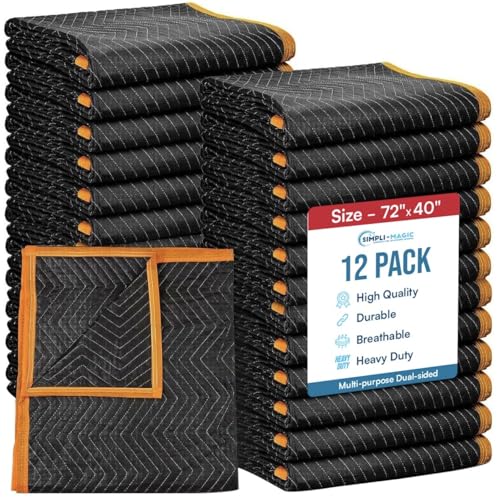
- Wrap the item in moving blankets to prevent damage during the ascent.
- Secure the item with straps to keep it stable while you maneuver it.
Position the object at the base of the stairs. Lean it back slightly, resting the weight on the dolly’s frame. To ascend, push upwards using your legs rather than your back.
Keep a steady pace and communicate with anyone assisting you. Take breaks if needed, especially with heavier pieces.
- Begin by lifting the bottom part, keeping it close to your body.
- Using a side-to-side motion, inch it up each step.
- Once at the top, carefully slide it off the dolly.
Utilize furniture sliders once in place to reposition or move the item easily across the floor.
Assessing Your Furniture’s Size and Weight
Before attempting to move any large pieces, I measure each item’s dimensions and weight. For rectangular objects, I note the height, width, and depth. If it’s a soft item like a sofa or bed, I estimate its weight by checking similar models online or consulting the manufacturer’s specifications.
Measuring Dimensions
To accurately assess size, I keep a measuring tape handy. I record measurements in inches or centimeters, considering any protruding parts such as arms or legs that may complicate movement. By documenting these details, I can visualize fit through doors and staircases effectively.
Estimating Weight
For estimating weight, I utilize online resources or user reviews for similar items. If I have access to a bathroom scale, I can weigh lighter components individually and sum them for larger pieces. This helps determine whether I can lift and maneuver the item safely.
Preparing Your Staircase for a Smooth Move
Clear the path. Remove any obstacles, such as shoes, rugs, or decorative items, to avoid tripping hazards while navigating. Create a wide berth for easier maneuvering.
Inspect the staircase for stability. Check railings and steps to ensure they are secure and free of damage. If needed, consider tightening loose components or repairing any issues beforehand.
Apply non-slip solutions on the steps. Utilize grip tape or rubber mats to enhance traction, reducing the likelihood of slipping with bulky objects in hand.
Use padding. Adorn the edges of the banister and walls with protective materials, like moving blankets or foam padding, to prevent scratches and dents during transport.
Measure dimensions. Record the width and height of the stairs, along with any turns or landings. This information will help gauge the best angle for positioning heavier items.
Plan your route. Visualize the entire process, mapping the path from the starting point to the destination. Consider moving in a straight line whenever possible to minimize twists and turns.
- Secure loose items on the staircase.
- Mark designated areas for staging items.
- Ensure lighting is adequate to see any potential hazards.
Request assistance if available. Having a friend or neighbor nearby can provide immediate help, whether to hold a railing or provide an extra set of hands for lifting.
Choosing the Right Technique for Different Furniture Types
The method I select for elevating items significantly depends on their design and materials. Each category requires a tailored strategy to ensure safety and efficiency.
| Furniture Type | Recommended Technique | Key Considerations |
|---|---|---|
| Sofas | Two-person lift with a pivot | Check for corners and height; use blankets to protect surfaces. |
| Dressers | Tilt-slide method | Secure drawers; consider disassembling if too heavy. |
| Tables | Flat lift using a moving strap | Ensure items are empty; monitor for wobbling. |
| Chairs | One-person carry outside legs | Check for fragile materials; avoid sharp edges. |
| Bed Frames | Disassemble if possible | Keep hardware organized; ensure all parts are together. |
| Appliances | Use a dolly if available | Secure electrical connections; ensure it’s empty. |
Adjust my approach based on the weight distribution and balance of each item. For heavier pieces, a sturdy harness or straps are helpful. If I feel uncertain, it’s wise to seek assistance to prevent injuries or damages.
Gathering Necessary Tools and Equipment
Before attempting an ascent with heavy items, I ensure I have a reliable set of supplies at hand. Strong moving straps or a harness are crucial, as they provide additional support while lifting. A hand truck can be invaluable for larger pieces, allowing for easier transport up each step without excessive strain.
I always keep a set of furniture sliders close. These reduce friction against surfaces, making it easier to glide bulky items into position once at the top. Additionally, I make sure to have thick blankets or padding available. Wrapping delicate areas with these materials minimizes the risk of damage to both the items and my home.
Safety equipment such as gloves protects my hands from potential injuries and improves my grip on awkwardly shaped objects. I find that wearing sturdy, closed-toe shoes with good traction is non-negotiable for maintaining balance on stairs.
Lastly, I have a clear plan for moving everything. Setting up a communication system, like a mobile phone or walkie-talkie, allows me to easily coordinate movements with any helpers, ensuring a smooth process from the ground level to the destination.
Utilizing Proper Lifting Techniques to Prevent Injury
I begin by positioning my feet shoulder-width apart for stability. This stance helps in distributing weight evenly and maintains balance throughout the maneuver. I bend at the knees, not at the waist, to lower my center of gravity while grasping the item. This technique protects my back and reduces strain on my spine.
As I lift, I engage my core muscles. This action stabilizes my body and prevents overextension. I focus on pushing through my legs rather than relying solely on my arms. This ensures that the majority of the lifting power comes from my lower body, which is stronger and better suited for heavy loads.
While lifting, I keep the object close to my body. This minimizes the leverage exerted on my back and helps maintain balance while navigating elevated surfaces. I also avoid twisting my torso; instead, I shift my feet to change direction, protecting my spine from unnecessary torque.
If the load feels unmanageable, I don’t hesitate to re-evaluate. I consider breaking the item down into smaller pieces or finding assistance rather than risking injury. Consistently reassessing the situation ensures my safety and the successful completion of the task.
In addition, I keep my path clear. Ensuring there are no obstacles allows me to move confidently, reducing the risk of trips or falls. Additionally, I take my time, pacing myself throughout the process to prevent fatigue, which can lead to accidents.
Creating a Clear Path to the Staircase
Begin by assessing the area leading to the staircase. I ensure that all obstacles are removed, such as decorative items, shoes, and any loose wires. This step prevents tripping hazards and allows for smooth movement.
Next, I focus on the furniture’s journey. If possible, I measure the width of doorways and hallways to confirm that my belongings can pass through without installation hassle. This reduces potential delays and frustration.
Clearing Clutter
I pay special attention to items that may not be immediately visible. Shelves, tables, or storage boxes nearby should also be relocated to create extra space. By freeing up additional areas, I minimize accidental bumps and scrapes on walls.
Lighting Efficiency
Adjustment of lighting is also crucial. I make sure the path is well-lit; this may involve turning on overhead lights or adding portable lamps. A bright area increases visibility and enhances safety during the move.
In addition to physical barriers, I consider using temporary markers or signs on the floor to guide my movements and keep me oriented. Simple tape or colored cones can serve as reminders of the designated path, thus maintaining a clear trajectory.
By focusing on these details, I simplify the transit of my possessions and enhance safety throughout the entire process.
Using Sliders and Ramps for Heavy Items
Invest in high-quality sliders that can distribute weight evenly to minimize friction while moving bulky objects. I prefer choosing sliders made of sturdy materials like plastic or rubber, as they provide a solid grip on various surfaces.
For substantial pieces, consider constructing or purchasing a ramp to aid in lifting them. A ramp with a gentle incline allows for safer transitions between levels, reducing the risk of damage. If building a ramp, use plywood or similar materials strong enough to hold the weight of the load.
Position sliders beneath the item’s corners or edges to help glide it toward the staircase. When using a ramp, secure it firmly at both ends to prevent sliding. If possible, place the ramp at a slight angle to ease the ascent.
As I move items up, pushing rather than pulling can control momentum better and prevent slips. Focusing on maintaining a steady pace reduces the strain on both the items and myself.
Assess the surface where the sliders will be used; carpets may require larger sliders compared to hardwood floors. Test the sliders on different surfaces to determine their effectiveness before beginning the move.
Managing Turns and Corners with Large Pieces
To maneuver large items around corners, tilt the piece slightly to shift its center of gravity. This technique aids in fitting through tight spaces, ensuring it can clear the walls without causing damage.
Position the bulk of the weight low to maintain balance, keeping the item steady while moving through turns. It’s beneficial to use a friend for assistance, allowing one person to guide from the front while the other pushes from behind, ensuring better control.
For narrow staircases, consider positioning the item diagonally. This allows for greater clearance and easier navigation through corners. If the object has removable parts, take them off prior to the ascent, as this reduces both weight and bulk.
Utilize corner pads or blankets to protect both the item and the staircase from scratches and dings. Securing this protective covering with tape can enhance grip and stability during the lift.
If struggling with an especially heavy or awkward piece, rest it on the stairs momentarily, allowing for a brief pause to reposition before proceeding. This also gives time to assess the best angle for completing the turn.
Resting and Strategizing During the Move
Every hour or so, I pause to assess my energy and think through the upcoming tasks. Without rest, fatigue sets in, leading to mistakes or injuries. A brief break helps to recharge and keeps the momentum going.
I find it helpful to visualize the entire process before lifting anything. Analyzing the layout, planning which piece to tackle next, and determining the best approach minimize unnecessary movements. I consider the weight distribution and space available on the staircase.
I use these intervals to check my tools and ensure they’re easily accessible, as this saves time later. While resting, I also evaluate my form and technique, making mental notes of adjustments needed for efficiency.
Communication is key if I have someone assisting. I often establish clear signals or phrases beforehand. This prevents misunderstandings while we move large items, allowing for a synchronized effort during pivotal moments.
Additionally, I take these breaks to hydrate and refuel. A quick snack helps maintain stamina and focus. Proper nutrition even before starting gives me the endurance needed for this demanding task.
Reflecting on my progress during these intermissions boosts my morale. Celebrating small victories reinforces my determination while tackling larger challenges. Each moment of strategic planning and recovery contributes to a smoother transition and keeps me engaged.


