Caleb Turner

Applying double-sided tape on surfaces is one of the simplest solutions. Cats tend to dislike sticky textures, which can discourage them from climbing or scratching.
Invest in strategic barriers like sisal rope or scratching posts placed near desirable surfaces. This encourages appropriate behaviors while protecting your seats and tables from unwanted damage.
Utilizing furniture covers made from durable and scratch-resistant materials offers an added layer of defense. These protective layers can prevent marks and stains, while also being easy to clean.
Consider using bitter apple spray on vulnerable areas. This pet-safe deterrent emits an unappealing taste that can dissuade claws from making contact with your cherished pieces.
Finally, regular nail trimming keeps sharp edges under control. Keeping claws short reduces the likelihood of leaving permanent impressions on any wood or fabric.


Cat Safety Measures for Your Home Decor
For safeguarding various pieces, consider applying rubber or silicone protectors on corners and edges. This minimizes potential scratches and damages caused by playful antics. Additionally, strategically placing a soft throw or decorative blanket can create a barrier, preventing unwanted clawing or chewing on upholstered surfaces.
Choices in Materials
- Opt for fabrics like microfiber or leather, known for their durability and ease of cleaning.
- Select furniture with tight weaves, which are less inviting to curious paws.
- Materials such as denim or canvas also stand strong against scratching.
Distraction Tactics
Introduce specific toys to engage their attention away from beloved seating. Cat trees or scratchers placed strategically near your couch can channel their energy appropriately. Changing their toys regularly keeps them entertained and reduces the likelihood of targeting your possessions.
- Use pheromone sprays to calm them, making the environment more relaxing.
- Set up shelves or perches that allow them to climb and explore at heights, diverting their focus from lower surfaces.
Blocking off areas that are particularly tempting, such as bookshelves or side tables filled with fragile items, provides an additional layer of protection. Supervision is key; engaging with them during their active periods reinforces good habits and helps bond.
Choosing Pet-Friendly Furniture Materials
Opt for durable fabrics such as microfiber or tightly woven textiles. They resist scratches and are easier to clean. Microfiber is a popular choice due to its stain resistance and ability to endure everyday wear.
Consider leather or faux leather for a sleek look. These materials can withstand claws and are simple to wipe clean. Ensure the leather is treated for protection against stains and scratches.
Natural Fibers
Bamboo and jute are excellent eco-friendly options. Both materials are sturdy and provide a unique aesthetic. They’re also less likely to collect hair and promote a healthier living environment.
Wood Types
Select hardwoods like oak or maple that can handle impacts. Softer woods like pine may dent easily, so avoid those. Ensure finishes are non-toxic and easily repairable to maintain the furniture’s appearance over time.
Applying Scratch-Resistant Finishes
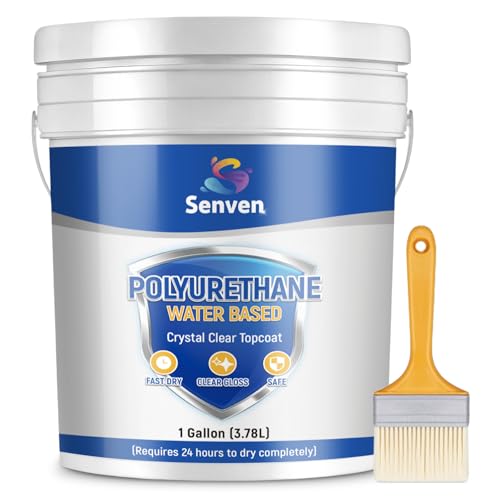
Opt for high-quality finishes that can withstand wear and tear from claws. I recommend using varnishes or polyurethane coatings, specifically those labeled as scratch-resistant or extra-durable.
Here are some specific types of finishes to consider:
- Water-Based Polyurethane: Dries clear and offers excellent durability without the strong smell of oil-based options.
- Gel Stains with Top Coats: Easier to apply and can provide a thicker protective layer.
- Varnish: Available in glossy or matte finishes and provides a tough surface that resists scratches.
Preparation is key. Before applying any finish:
- Sand the surface smoothly to ensure adhesion.
- Clean thoroughly to remove dust and debris.
- Apply at least two coats for enhanced protection, allowing each layer to dry completely.
Regular maintenance, such as touch-ups when wear appears, extends the life of these protective layers. Periodically evaluate the condition of surfaces and reapply finishes as required.
Using Furniture Covers for Protection
Incorporating slipcovers is a straightforward strategy to safeguard upholstery from scratches and stains. These protective layers can be easily removed and washed, ensuring cleanliness and longevity for your pieces. Look for materials like cotton or polyester blends that endure wear while remaining comfortable.
Choosing the Right Type
Opt for fitted covers that hug the contours of your items to minimize movement. Stretchy options can adapt to various shapes, offering comprehensive protection. For added durability, consider those with water-resistant properties, which prevent spills from seeping through and causing damage.
Style and Functionality
When selecting covers, it’s crucial to balance aesthetics with practicality. Neutral tones and patterns can blend seamlessly with existing decor, while darker shades may better hide stains. Ensure that the chosen covers complement the ambiance of your living space, so they enhance rather than detract from its visual appeal.
Regular maintenance is necessary; frequent washing will help maintain their appearance and cleanliness. Look for covers with elastic hems or ties to keep them securely in place, providing continuous protection against any unexpected wear and tear.
Creating Vertical Spaces for Cats
Installing shelves at various heights provides a stimulating environment. I recommend using sturdy, wall-mounted platforms to give my feline friend a place to climb and observe. Ensure the materials can support the weight and activity of my pet.
Incorporating cat trees or towers allows for both climbing and lounging. Choosing designs with multiple levels and scratch posts encourages play while protecting surfaces. Position these strategically away from fine items.
Add decorative ladders or steps leading to high shelves. I find that integrating these elements harmonizes with my interior design while offering my pet a fun way to move. Use safe materials that match my decor to keep the space visually appealing.
Creating window perches increases lounging opportunities. I attach sturdy cushions to stable surfaces, providing a sunlit retreat for my companion. This not only satisfies their curiosity but also keeps them entertained with outdoor views.
Plan vertical pathways that connect various areas. Using shelving units or hanging baskets can connect different elements and encourage exploration. These pathways should always be safe, allowing easy access without risking a fall.
Utilizing Double-Sided Tape as a Deterrent
Placing double-sided tape on surfaces where pets like to climb or scratch can be a simple yet effective measure. The sticky texture is unappealing and discourages them from using those areas.
Application Areas
Consider applying tape on couches, chairs, and table edges. Focus on locations where they show interest, especially spots that attract scratching or jumping. Ensure the tape is wide enough to cover the surface area adequately.
Choosing the Right Tape
Select a tape specifically designed for pet training to guarantee strong adhesion without damaging surfaces. Test on a small, inconspicuous area first to avoid potential residue issues.
Combine this method with other protective strategies, enhancing the effectiveness of your barrier. Over time, this approach may help redirect their behavior to more suitable alternatives.
Incorporating Cat-Friendly Scents
Utilizing scents that repel felines can be an effective tactic in protecting possessions. Citrus fragrances, particularly lemon and orange, act as deterrents; I often recommend placing citrus peels near furniture or using essential oils diluted in water as a spray.
Lavender is another scent that most cats dislike. I sprinkle dried lavender around areas of concern or use lavender-scented fabric sprays. It offers a pleasant aroma for humans while keeping the furniture safe.
Apple cider vinegar is known for its effectiveness as a repellent. Mixing equal parts vinegar and water in a spray bottle allows for easy application to surfaces that need protection.
It’s vital to avoid using scents that are harmful or toxic to animals. Here’s a quick reference table summarizing safe and effective options:
| Scents | Type | Application |
|---|---|---|
| Citrus (Lemon, Orange) | Repellent | Peels or essential oil spray |
| Lavender | Repellent | Dried flowers or scented spray |
| Apple Cider Vinegar | Repellent | Spray mixture (1:1 with water) |
Consistency in applying these scents reinforces their effectiveness. Regularly refreshing the sources ensures maximum deterrence, creating an environment less appealing for unwanted attention on the treasured pieces.
Employing Furniture Arrangements for Safety
Positioning items strategically can significantly decrease the risk of damage. I recommend placing heavier pieces, like bookshelves or dressers, against walls to prevent tipping. Arrange sofas and chairs to create barriers or obstacles that discourage access to delicate areas.
Space Division
Utilize area rugs to visually separate spaces. This tactic not only enhances décor but also establishes boundaries. Consider rearranging seating to limit pathways to less protected spaces.
- Place furniture that does not allow jumping, such as ottomans, between lower pieces.
- Ensure that wide items, like coffee tables, are located in the center to create a uniform zone.
- Limit access points into rooms with fragile décor by utilizing gates or barriers.
Adjusting Heights and Levels
Creating varying heights can deter climbing. Use tall shelving for displaying items, ensuring that lower surfaces are less appealing. This layout makes shelves less accessible while keeping enticing objects above reach.
- Install shelves high enough to be out of reach.
- Opt for low-profile furniture to discourage climbing.
- Employ wall-mounted decorations to keep them away from touch.
By adjusting arrangements, I can modify behavior and protect belongings, enhancing both safety and comfort within the living environment.
Training Techniques to Keep Surfaces Safe
Begin sessions with positive reinforcement. Use treats or praise whenever the feline chooses to stay off surfaces where it’s not welcome. Gradually increase the time they spend away from these areas to instill a habit.
Clicker training can also be beneficial. The sound will signal to the pet that a reward is forthcoming when they exhibit desirable behavior. Introduce specific commands linked to staying off restricted areas and reward compliance consistently.
Implement distraction strategies. Provide engaging toys or puzzles in nearby spaces to redirect attention. A well-placed scratching post can divert focus and keep paws occupied, away from your favorite chair.
Schedule playtimes so the pet expends energy during active hours. A tired animal is less likely to engage in unwanted behaviors, which keeps furniture intact.
Be persistent and patient during the training process. Regular reinforcement and consistency in rules will help cultivate the desired behavior over time. Gradually, they will learn to associate areas with restrictions and adjust accordingly.
| Training Method | Description |
|---|---|
| Positive Reinforcement | Reward for staying off restricted areas. |
| Clicker Training | Utilize a clicker to mark desired behavior. |
| Distraction | Engage with toys to redirect attention. |
| Active Play | Schedule play sessions to tire them out. |
| Consistency | Reinforce rules and expectations at all times. |
Maintaining a Regular Cleaning Routine
Implement consistent upkeep to address both damage prevention and overall cleanliness. Vacuum surfaces weekly to eliminate hair and dander, which can attract attention from curious pets. This not only keeps the environment tidy but also reduces allergens that could irritate sensitive noses.
Incorporate lint rollers into your cleaning arsenal, particularly for upholstery. As I quickly glide a lint roller over various surfaces, I find it effective in removing any lingering hair that a vacuum might miss. This swift action can significantly enhance the visual appeal of my living space.
Wipe down surfaces with pet-friendly cleaning supplies to avoid harmful residues. Regularly cleanse spots that gather dirt, as this discourages unwanted scratching or marking behaviors. Paying attention to corners and crevices helps catch any potential hazards that might arise.
Establishing a Schedule
Consistency is key; I prefer to set aside specific days for deeper cleaning tasks. Assigning a day each month for extensive cleaning can help maintain both furniture integrity and a pleasant environment. This creates a cycle that keeps everything fresh.
Monitoring and Adjusting
Regularly assess the condition of furnishings. If I notice increased wear in particular areas, I adjust the cleaning routine to provide extra attention. Staying proactive about upkeep prevents minor issues from escalating into major repairs.