
 Caleb Turner

Regular dusting with a soft, lint-free cloth is the first step to keep your elegant pieces looking pristine. Microfiber cloths are particularly effective for capturing dust without scratching the surface.
Applying a dedicated wood polish every few months will enhance the natural beauty of the grain and provide additional protection. Choose products specifically formulated for hardwoods, avoiding those with silicone or wax, as they can lead to buildup and damage over time.
Keep these exquisite items away from direct sunlight and heat sources. High temperatures and UV rays can cause fading and warp the material. Ensure to maintain a stable climate with consistent humidity levels, ideally between 30-50%, to prevent cracking and swelling.
In case of spills, act quickly by blotting the area with a soft cloth to absorb the liquid, avoiding vigorous rubbing which could cause damage. For deeper stains, gently clean the area with a damp cloth followed by a dry one to avoid moisture damage.
Taking the time to regularly attend to these details will preserve the lush aesthetics and longevity of your cherished wooden treasures.



Tips for Maintaining Your Premium Wood Installations
Keep environments stable, avoiding extreme temperature and humidity fluctuations. Ideal conditions are around 70°F (21°C) and 40-50% humidity. This prevents warping and cracking.
Dust regularly with a soft, dry cloth to remove surface dirt. A microfiber cloth works well; use it gently to avoid scratching. For stubborn spots, dampen the cloth with water–a few drops of mild soap can help.
Limit exposure to direct sunlight to prevent fading and discoloration. Position your pieces away from windows or use UV-blocking window films to shield them.
Avoid harsh chemicals and aggressive cleaners. Opt for natural oils, such as lemon or mineral oil, to nourish the surface. Apply a small amount on a cloth and buff in the direction of the grain.
Repair minor scratches with a bit of walnut meat or a quality wood repair marker that matches the finish. For deeper imperfections, consider a professional restoration service.
Keep your pieces away from direct contact with hot or cold items. Use coasters and mats to protect the surface from heat and moisture.
| Task | Frequency |
|---|---|
| Dusting | Weekly |
| Deep Cleaning with Oil | Monthly |
| Check for Damage | Quarterly |
Regularly inspect joints and fasteners, tightening them if necessary to maintain stability. If any joints feel loose, consult a skilled craftsman for adjustments.
Understanding the Characteristics of Rosewood
High-density properties define this hardwood, making it incredibly durable. Its natural oil content contributes to a rich luster that enhances with time. When evaluating the appearance, expect striking variations in color, ranging from deep brown to purplish hues, often accented with dark streaks.
Grain and Texture
- The grain often exhibits a straight pattern but can also be wavy or interlocked, adding uniqueness to each piece.
- A smooth finish, combined with a natural sheen, highlights the intricate designs within the wood.
Resistance to Elements
- Its natural oils provide resistance against moisture, making it suitable for varied environments.
- This timber is less prone to warping or cracking compared to softer woods.
These characteristics not only enhance the aesthetic appeal but also contribute to longevity, making this timber a worthy choice for those seeking exquisite craftsmanship. Knowing these aspects will assist in better appreciation and handling of your wooden items.
Cleaning Techniques for Rosewood Surfaces
Utilizing a soft, lint-free cloth dampened with warm water is optimal for routine maintenance. Wipe the surface gently to eliminate dust and minor stains.
For tougher grime, I mix equal parts of white vinegar and olive oil. I apply a small amount onto a cloth, gently buff the affected area, and follow with a dry cloth to achieve a shine.
For cleaning deeper stains, a paste made from baking soda and water can be effective. I apply it sparingly, let it sit for a few minutes, then gently scrub with a soft cloth. Be cautious to avoid excess moisture, which may penetrate the wood.
A dedicated wood cleaner formulated for fine finishes can also be used, making sure to test it on an inconspicuous area first. Following the manufacturer’s instructions is essential for best results.
Avoid using harsh chemicals, abrasive pads, or excessive water. These can damage the finish and the underlying material. Regular dusting combined with occasional deep cleaning will maintain the integrity and appearance of your piece.
Protecting Rosewood from Moisture Damage
Maintaining the beauty of this exquisite wood requires vigilance against humidity and water exposure. I recommend applying a high-quality sealant specifically designed for wood surfaces to create a protective barrier.
Consider the following strategies:
- Keep this wood away from direct sunlight to prevent unnecessary drying and cracking.
- Use coasters and placemats for beverages and hot items to prevent moisture seeping into the grain.
- Employ a hygrometer to monitor indoor humidity levels, aiming for a range between 40% and 60%.
- In damp environments, utilize a dehumidifier to remove excess moisture from the air.
Avoid using water directly for cleaning. Instead, lightly dampen a soft cloth with a specialized wood cleaner or a mild soapy solution. Immediately dry the surface afterward to eliminate any residual water.
Regularly inspect joints and seams for signs of damage or swelling. Tighten loose components to prevent moisture infiltration that can compromise structure over time.
By adhering to these practices, I ensure this luxurious material remains in optimal condition, preserving its rich aesthetics and durability against moisture-related issues.
Optimal Conditions for Storing Rosewood Furniture
Maintain a stable environment with a temperature range of 60-75°F (15-24°C) and humidity levels between 40-60%. Extreme fluctuations can cause warping or cracking.
Light and Air Quality
Protect from direct sunlight to prevent fading and discoloration. Position away from heat sources or air conditioning vents to avoid dryness.
Storage Solutions
Utilize padded covers for protection against dust and scratches. Avoid plastic wrap, which can trap moisture. Instead, choose breathable materials.
Periodically inspect for dust accumulation and maintain cleanliness with a soft, dry cloth. If stored for a lengthy period, consider occasionally moving the items to maintain even air circulation around them.
Keep in mind the positioning; avoid stacking multiple pieces on top of one another to reduce pressure and potential damage. Store in a location where they are less likely to be bumped or moved frequently.
Regular Maintenance: Polishing Rosewood
I recommend polishing this exquisite timber every 6 to 12 months to maintain its luster. Using a high-quality furniture polish that contains natural oils will replenish the wood’s natural beauty and offer a protective layer.
Before applying polish, ensure the surface is free from dust and debris. A soft, lint-free cloth is ideal for dusting, as it prevents scratches. Dampen the cloth slightly with water if additional moisture is needed, but never oversaturate.
Apply a small amount of polish onto a clean cloth, not directly onto the wood. Work the product into the surface in gentle, circular motions, which helps in achieving an even finish. Pay special attention to areas that experience frequent contact, as these may require more care.
Allow the polish to sit for a few minutes to penetrate the wood, then buff the surface with a dry section of the cloth to achieve a beautiful shine. For a deeper finish, consider applying multiple thin layers rather than one thick coat.
Finally, a good practice is to follow up with a protective wax after polishing. This adds an additional barrier against scratches and enhances the depth of color. Regular polishing not only enhances appearance but also prolongs the life of the timber.
Identifying and Treating Scratches on Rosewood
To address scratches on your precious wooden pieces, I focus on the following methods:
-
Inspect: Begin by closely examining the surface for scratches and determine their depth. Light scratches can often be treated differently than deeper ones.
-
Apply a Wax Filler: For shallow marks, use a wax filler that matches the wood’s hue. Gently rub the filler into the scratch with a soft cloth, then buff the area to blend it seamlessly.
-
Use a Wood Stain Pen: If scratches are more pronounced, a wood stain pen can color the affected area. Choose a suitable shade and apply it carefully, avoiding overspill.
-
Oil Treatment: For a natural remedy, consider using boiled linseed oil. Apply it with a soft cloth, focusing on the scratch, allowing it to penetrate the wood for at least 30 minutes before wiping away excess.
-
Sand and Refinish: For deeper blemishes, light sanding may be necessary. Use very fine sandpaper (around 220 grit) and sand the affected area gently. After sanding, apply a matching finish to restore the luster.
Regularly assess the condition of your wooden pieces to prevent the accumulation of scratches, implementing protective measures like coasters and placemats to safeguard the surfaces.
Preventing Sun Damage to Rosewood Pieces
Utilize window treatments such as curtains or blinds to block direct sunlight from reaching the furniture. UV rays can significantly fade the finish and alter the color of the wood over time.
Position each item away from windows or areas with intense light exposure. If relocation is not possible, consider applying a protective varnish with UV inhibitors to shield against sun damage.
Regularly rotate items in direct sunlight to ensure even fading. This practice helps maintain a consistent appearance across the entire piece.
Place coasters or decorative items on surfaces to create barriers against light exposure. This will minimize the surface area that absorbs sunlight.
In cases of extreme sun exposure, using window films that reduce glare while allowing natural light can effectively protect the wood. These films provide a barrier against harmful rays without sacrificing brightness.
Consider investing in protective finishes designed specifically for high UV resistance. These products help prolong the life and appearance of the wood by providing an added layer of defense.
Handling and Moving Rosewood Safely
Always lift rather than drag pieces to prevent stress on joints and structural components. Ensure to use both hands while supporting the weight evenly. For larger items, gather a couple of helpers to distribute the load, minimizing risk of damage.
Preparation Steps
Before lifting, remove any accessories or decorative items to lighten the load. Check all parts for stability, ensuring nothing is loose. If possible, disassemble components that detach without compromising integrity.
Moving Techniques
Utilize furniture sliders under legs for hardwood floors, allowing effortless movement. In tight spaces, pivoting can save effort and prevent scratches on surrounding surfaces. Maintain an upright position while transporting, keeping the piece aligned to avoid tipping.
| Action | Recommendation |
|---|---|
| Weight Distribution | Use a dolly for heavier items. |
| Environmental Awareness | Avoid moving during wet weather to prevent slipping. |
| Surface Protection | Lay blankets or padding to avoid scratches. |
| Team Coordination | Communicate clearly with helpers during transport. |
Upon arrival at a new location, set items down gently to mitigate impact. Always assess the new placement area for uneven surfaces that may affect stability. Following these guidelines ensures longevity and maintains the beauty of treasured pieces.
Choosing the Right Products for Rosewood Care
Opt for a pH-balanced wood cleaner specifically designed for hardwood surfaces. Ensure it is free from harsh chemicals that can strip natural oils. A gentle solution can protect the wood while effectively removing dirt and grime.
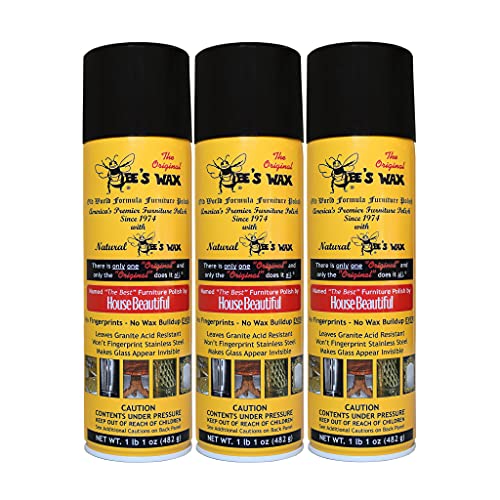
For conditioning, I suggest using a high-quality wood polish that contains natural waxes or oils. Look for products with components like beeswax or carnauba wax, as they nourish the surface and maintain its luster without leaving a heavy residue.
Test any new cleaner or wax on a small, inconspicuous area before applying it broadly. This ensures compatibility with the existing finish and avoids potential damage.
Microfiber cloths serve well for dusting and polishing. They capture particles without scratching, preserving the wood’s smooth texture. Avoid paper towels as they can leave lint and lead to dulling over time.
When it comes to protecting against moisture, use a wood-safe sealant ortop coat. A quality product will provide an additional layer of protection against spills and humidity.
Finally, check the product labels for compatibility with fine woods like mine, as not all cleaners suit every finish. Researching choices guarantees long-lasting beauty and durability for my cherished pieces.
FAQ:
What are the best cleaning methods for rosewood furniture?
To clean rosewood furniture, use a soft, dry cloth to remove dust and debris. For more thorough cleaning, slightly dampen a cloth with water or a mixture of mild soap and water. Avoid soaking the wood, as excess moisture can damage it. After cleaning, dry the surface with a clean, dry cloth to prevent water spots.
How often should I polish rosewood furniture?
Polishing rosewood furniture is typically recommended every three to six months, depending on usage and environmental factors. Use a high-quality furniture polish that is suitable for wood. Apply polish sparingly with a soft cloth, following the wood grain. Regular polishing helps maintain the furniture’s luster while providing a protective layer against scratches and moisture.
Can I use any type of oil for rosewood care?
Not all oils are suitable for rosewood. It’s best to use a specialized oil formulated for fine woods or a light mineral oil. Avoid using vegetable oils or other kitchen oils, as they can go rancid and may damage the finish of your furniture. Applying the right oil can nourish the wood and enhance its natural beauty.
What is the best way to avoid scratches on rosewood furniture?
To minimize the risk of scratches, use coasters, placemats, and felt pads under objects placed on the furniture. Regularly check for loose objects and avoid dragging items across the surface. Additionally, keep the furniture out of high-traffic areas where accidental bumps can occur. If scratches do appear, they can often be buffed out with a soft cloth or treated with a wood repair kit.
How can I protect rosewood furniture from humidity and temperature changes?
To protect rosewood furniture from humidity and temperature fluctuations, maintain a stable indoor environment. Use a humidifier or dehumidifier as needed to keep humidity levels between 40-60%. Avoid placing the furniture near heating vents, air conditioning units, or windows where direct sunlight can cause warping or fading. Regular temperature and humidity control will prolong the life of your rosewood furniture.


