
 Caleb Turner

Regularly applying a protective coating will significantly enhance the longevity of your rattan pieces. Choose a weather-resistant sealant specifically designed for synthetic materials to safeguard against UV rays and moisture. This simple step prevents fading and damage from the elements, maintaining the natural beauty of your items.
Cleaning should become a habitual part of your routine. Utilize a soft brush or lint-free cloth to remove dust and debris, followed by mild soap mixed with water for deeper cleans. Avoid harsh chemicals, as they may erode the finish and compromise the material’s integrity. Rinse thoroughly and let everything air dry to avoid moisture buildup.
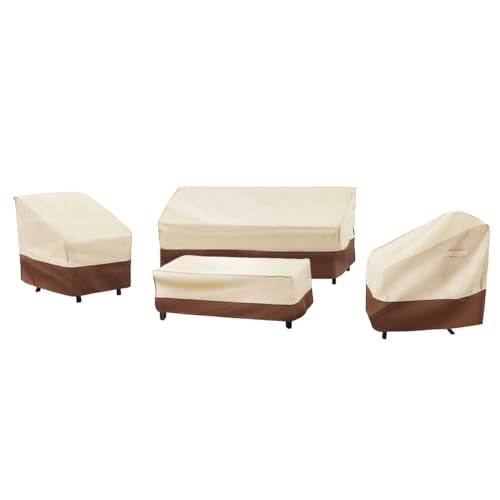


Positioning your creations strategically adds to their durability. If possible, place them in shaded areas to minimize direct sun exposure. Alternatively, invest in protective covers designed to shield your pieces from rain and snow during inclement weather. This simple strategy goes a long way in preserving their structural integrity and aesthetic appeal.
Maintenance Tips for Outdoor Rattan Seating
Use a soft-bristle brush to remove dirt and debris regularly. This helps prevent buildup that can damage the weave over time.
Avoid harsh chemical cleaners. Instead, mix mild soap with warm water for daily cleaning. Rinse thoroughly with a hose and let it air dry completely to prevent mold growth.
Protective Measures Against Weather
Invest in high-quality covers to shield your items from rain and UV rays. If possible, store them indoors during extreme weather conditions to extend their lifespan.
Inspect the material periodically for signs of wear or damage. Repair any frayed areas promptly to prevent further deterioration.
Enhancing Longevity
Apply furniture oils designed specifically for natural fibers. This can help maintain flexibility and prevent cracking.
Consider placing your pieces in shaded areas to reduce direct sunlight exposure, which can fade colors and weaken materials over time.
Choose the Right Location for Your Wicker Seating
Positioning is vital. Select a shaded area to mitigate sun exposure, which can lead to fading. Ideally, I opt for spots beneath overhanging trees or shaded patio awnings. Avoid direct contact with ground moisture to prevent rot; using a raised platform is beneficial.
Consider Wind Exposure
High winds can damage or destabilize items. I assess the likelihood of gusts and place seating against walls or windbreaks for stability. If possible, place in a semi-enclosed area to minimize wind impact.
Accessibility and Comfort
Ensure that the spot is convenient for gatherings and easy to access. I choose locations close to social areas like a grill or pool. Dust and debris can accumulate, so periodic cleaning is simpler in accessible zones.
Remember to rotate pieces occasionally; this allows for even exposure to elements and prolongs longevity. I’ve seen how strategic positioning can significantly enhance overall enjoyment and durability.
Clean Your Wicker Furniture Regularly
I make it a point to dust my outdoor seating at least once a week. A soft brush or a cloth is perfect for removing dust and debris from the crevices. This simple step prevents buildup, which can cause damage to the fibers over time.
Monthly Deep Cleaning
Once a month, I opt for a deeper cleanse using a mixture of mild soap and warm water. With a sponge, I gently wipe down all surfaces, ensuring I don’t soak them. Rinsing with a damp cloth helps eliminate soap residue, which could attract dirt.
Yearly Maintenance
Annually, I inspect for any signs of wear or damage. Should I notice any mildew or stains, I utilize a solution of vinegar and water to treat affected areas. This helps restore beauty and prolongs the life of the structure.
Protect Wicker from Sun Damage
To minimize the impact of sunlight on your outdoor seating and accessories, consider applying a UV-resistant spray or varnish designed for natural materials. This added layer acts as a barrier against harmful rays, preserving the finish and preventing fading.
Maintenance Strategies
Regular inspections for signs of wear and tear are critical. Look for discoloration, brittleness, or any loose strands. Addressing these issues promptly can prevent further deterioration. I recommend sorting items into categories: those exposed to direct sunlight and those in shaded areas.
| Condition | Action |
|---|---|
| Fading Colors | Apply UV protection spray |
| Brittle Weave | Moisturize with specialized oils |
| Loose Strands | Reweave or secure the material |
Shade Solutions
Incorporate umbrellas, canopies, or shade sails to provide relief from direct sunlight. Rotating the placement of your pieces can also help distribute UV exposure, ensuring even protection.
Avoid Water Damage on Wicker Pieces
Keep your woven items dry by choosing a suitable storage spot during rainy seasons. Use a waterproof cover or tarp for additional protection. Regularly inspect for any accumulation of moisture or dampness, which can lead to mold or mildew. When you notice any signs of water exposure, immediately air dry the pieces in a well-ventilated area.
Seal the Surface
Applying a water-resistant sealant can guard against moisture. Look for products specifically designed for natural fibers, ensuring they do not alter the appearance or texture of the material. This treatment should be reapplied annually or after severe weather to maintain its effectiveness.
Choose the Right Cleaning Method
When cleaning, use a damp cloth rather than soaking the entire surface. Avoid using harsh chemicals that might degrade the material. Instead, opt for a mild soap solution, ensuring all residual moisture is wiped away promptly. This helps in preventing water from seeping into the structure.
Inspect for Signs of Wear and Tear
I routinely check my pieces for any signs of damage, focusing on fraying strands or loose weaves. It’s vital to look for any areas where the material may be cracking or splintering, as these could lead to more significant issues if left unattended.
I also examine joints and connections between sections. If I notice any instability, I make sure to address it immediately, either by tightening bolts or applying an adhesive designed for outdoor use. Regular inspections of the finish are key; peeling or discoloration means it’s time to refinish. I ensure that I keep an eye out for mold or mildew, especially in humid conditions, which often necessitate immediate cleaning and treatment.
If I see any signs of pest activity, such as tiny holes or droppings, I act swiftly to mitigate further damage. A quick inspection can save time and money, preventing the need for costly replacements. Being vigilant about these details helps maintain the aesthetic and structural integrity of my outdoor seating and tables.
Apply Protective Coatings for Longevity
I recommend using a protective sealant specifically designed for natural materials. This will safeguard your pieces from moisture and UV damage. Look for products labeled as non-toxic and water-based to minimize harmful effects on the environment.
Start with these steps:
- Clean the surface thoroughly before application. Dust and dirt can prevent binding.
- Apply a thin coat of the chosen sealant using a soft brush or cloth. Ensure even coverage.
- Let it dry completely according to the manufacturer’s instructions, usually 24 hours.
- Consider adding a second coat if the first is absorbed quickly, which indicates that the material may need more protection.
Regular reapplication is key. I suggest doing this twice a year, especially before the rainy or sunny seasons, to maintain optimal protection.
Additionally, consider using a spray that includes UV filters for an extra layer of defense against sun damage. This can drastically extend the lifespan and appearance of your items.
Finally, always keep an eye out for any signs that the coating is wearing off, such as color fading or peeling. Address these issues immediately to prevent further deterioration.
Properly Store Wicker Furniture During Off-Season
To enhance longevity, I store my braided pieces indoors during the colder months. If indoor space is limited, I utilize breathable covers to protect them from dust and moisture.
Here are the steps I follow:
- Thoroughly clean each item before storage. I remove dirt and debris, which helps prevent mold and mildew.
- Ensure everything is completely dry to avoid moisture retention. I allow items to air out in a dry, shaded location.
- Disassemble larger sections if possible, making storage more space-efficient.
- Choose containers that provide ventilation. I often use bins or boxes that allow airflow but keep dust and pests at bay.
- Store in a stable environment. I keep my items in a place with consistent temperatures and low humidity.
- Avoid stacking pieces too tightly. I place cushions and smaller items separately to maintain their shape.
By following these steps, I can ensure that my outdoor braided items remain in excellent condition and ready for use when the seasons change.
Make Repairs to Damaged Areas Promptly
Repairing damaged sections immediately can prevent further deterioration and maintain aesthetic appeal. Here are steps I follow to ensure swift restoration:
- Assess the Damage: Examine each piece for cracks, fraying, or broken strands. Identifying the extent of the issue is key.
- Use the Right Tools: Gather tools like pliers, glue, or resin, depending on the damage. Ensure that they are suitable for the materials involved.
- Repair Method: For small breaks, I use a strong adhesive that is designed for natural fibers. For larger gaps, weaving in new material often works best. I match colors and textures of the original strands.
- Reinforce Weak Areas: Consider adding extra support to joints or thinly woven sections to prevent future damage. Using additional twine or reinforcing strips can help.
- Sand Rough Edges: If there are splinters or rough spots, gently sanding them smooth can prevent scratches during future use.
- Finish with Protective Coating: After repairs, applying a protective coating can enhance durability and provide some resistance to the elements.
Keep a Repair Kit Handy
I always maintain a small kit containing necessary supplies. This allows me to address issues quickly, ensuring longevity and continued enjoyment of my pieces.
Choose Appropriate Cushions for Outdoor Use
Selecting the right cushions significantly enhances comfort and durability. Opt for materials specifically designed for outdoor scenarios, such as solution-dyed acrylic or polyester. These fabrics resist fading and mold, ensuring they withstand various weather conditions.
Consider the foam used in cushions; quick-drying foam minimizes moisture retention, reducing the risk of mildew. Look for cushions with a density of at least 1.8 pounds per cubic foot for lasting support.
While color and pattern are important, prioritize UV resistance in your selection to prevent premature degradation. A removable, washable cover adds convenience, making maintenance easier. Ensure that the cushions have ties or fasteners to secure them in place during windy weather.
| Fabric Type | Features |
|---|---|
| Solution-Dyed Acrylic | UV resistant, mold resistant, vibrant colors |
| Polyester | Durable, water-resistant, various patterns |
| Sunbrella | Highly durable, mildew resistant, easy to clean |
Measure your seating area to ensure the cushions fit snugly. Maintaining shape and support is vital, so select specific sizes that complement your setup.
FAQ:
What should I do to protect my wicker furniture from weather elements?
To protect your wicker furniture from the elements, consider applying a protective sealant specifically designed for outdoor furniture. This can help shield the material from moisture and UV damage. Additionally, it’s a good idea to use furniture covers or store the pieces indoors during extreme weather conditions, such as heavy rain or intense sun. Regularly check for signs of wear and tear, and address any issues promptly to prolong the life of your furniture.
How often should I clean my outdoor wicker furniture?
Ideally, you should clean your outdoor wicker furniture at least once a month, especially during peak usage times like summer. Use a soft brush or cloth to remove dirt and debris, and a mild soap solution to wipe down the surfaces. Rinse with clean water and let it air dry completely. If you notice stubborn stains or mildew, more frequent cleaning may be necessary to keep the furniture looking its best.
Can I leave wicker furniture outside all year round?
Leaving wicker furniture outside all year round is not recommended. While some wicker is treated for outdoor use, it’s still susceptible to damage from harsh weather, including rain, snow, and extreme temperatures. If possible, store your furniture in a garage or shed during the off-season, or use high-quality covers to protect it from the elements. This can help maintain its appearance and durability over time.
What is the best way to repair damaged wicker furniture?
If your wicker furniture gets damaged, the repair process generally involves a few steps. First, assess the damage to determine whether it can be re-woven or if replacement parts are needed. For small tears or breaks, you can use a matching wicker or rattan material to re-weave the damaged area. For larger repairs, you might need to consider professional help or see if replacement pieces can be ordered from the manufacturer. Always clean the area before making repairs to ensure the best adhesion.


