Caleb Turner

To prolong the life of your prized outdoor seating, regular cleaning is essential. I recommend using a soft brush and a mixture of mild soap and water. This combination effectively removes dirt without damaging the surface. Rinse thoroughly with clean water and avoid harsh chemicals that can degrade the wood.
Applying a protective oil is vital for maintaining the natural beauty. Choose a product specifically designed for premium hardwoods. A light application every six months helps to nourish the material, enhancing its color and grain. For areas with high exposure to sun and rain, consider UV protection formulas to prevent fading.
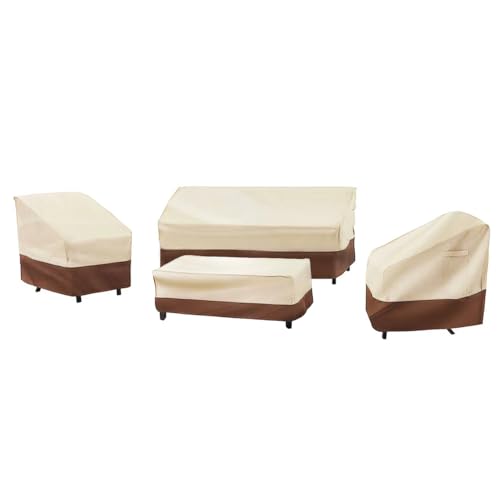
Storage during harsh weather greatly reduces wear. Whenever possible, I suggest using a cover or relocating your items indoors. Even in mild climates, protecting against moisture and freezing conditions will help maintain their integrity and appearance. Additionally, inspect for loose joints and other signs of wear regularly to address any issues promptly.

Maintenance of Teak Garden Seating in Williamsburg VA
I advise cleaning the wood regularly using a soft cloth and a mixture of mild soap and water. Make sure to rinse thoroughly to remove any soap residue.
If the surface appears dull or grey, applying a specialized oil can restore its rich color and natural luster. Look for products specifically designed for this type of timber.
In the local climate, protecting these pieces from harsh weather is essential. Consider using covers during heavy rain or winter months to prolong their lifespan.
I recommend avoiding pressure washing, as this can cause damage to the wood’s surface. Instead, opt for gentle scrubbing methods to maintain its integrity.
Inspect regularly for any signs of wear or damage. Catching issues early can prevent more significant problems later.
Storing cushions in a dry, sheltered area when not in use will prevent moisture buildup and mold growth. Take care to clean them according to the manufacturer’s instructions as well.
Choosing the Right Cleaning Products for Teak
For maintaining the beauty of hardwood pieces exposed to the elements, selecting suitable cleaning agents is key. Begin with pH-balanced soaps specifically designed for wood. It’s crucial to avoid harsh chemicals that can strip protective oils and damage surfaces.
- Natural Soap: Opt for a gentle, biodegradable soap. A mixture of warm water and mild dish detergent works well for light cleaning sessions.
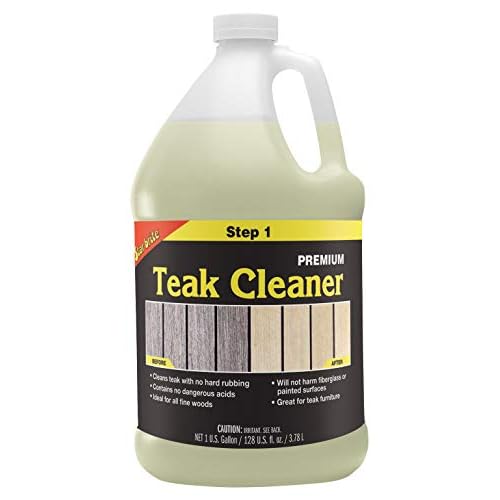
- Wood Cleaners: Invest in products made for marine-grade timber. These often contain conditioners that replenish essential oils.
- Teak Oils: After cleaning, using an oil designated for this specific wood revitalizes the grain and restores moisture.
Avoid abrasive pads or scouring agents as these can scratch the surface, leading to long-term damage. Always conduct a spot test with any new cleaner on a hidden area to ensure it does not adversely affect the finish.
For intense grime buildup or mildew, look for specialty cleansers formulated to tackle such challenges. These will provide a deeper clean without compromising the integrity of the material.
In summary, selecting appropriate cleaning solutions and maintaining a regular cleaning schedule ensures that your hardwood pieces remain in excellent condition while preventing unwanted stains and discoloration.
Recommended Cleaning Techniques for Dirt and Grime
Begin by preparing a mixture of mild liquid soap and warm water in a bucket. Use a soft-bristle brush or cloth to apply this solution to the surface, gently scrubbing any areas with noticeable dirt or grime. Rinse thoroughly with clean water to ensure no soap residue remains.
For stubborn stains, such as oil or food, I suggest a paste made from baking soda and a few drops of water. Apply the paste directly to the stain, let it sit for about 10 minutes, and then scrub gently with a brush before rinsing.
In cases of mildew or mold, a solution of equal parts vinegar and water can be effective. Spray onto the affected area, let it sit for several minutes, scrub lightly, and rinse well. It’s a natural alternative that won’t harm the surface.
Always test any cleaning solution in a small, inconspicuous area first to ensure it does not cause discoloration or damage. For maintenance, a periodic light cleaning every few months prevents build-up and keeps surfaces looking fresh.
Maintaining the Natural Color of Teak
To preserve the original hue of your hardwood, regularly apply a specialized teak oil. This product penetrates the grain, replenishing natural oils while protecting against UV damage.
Frequency of Application
Reapply the oil every 3-6 months, depending on exposure to sunlight and weather conditions. Monitor the surface; if it appears dry or faded, it’s time to treat it.
Cleaning Before Oiling
Always clean the surface with a mild soap solution, rinsing thoroughly before applying oil. This ensures that dirt and grime do not interfere with absorption and effectiveness. A gentle scrub with a soft brush can help remove stubborn residues.
Protecting Teak Furniture from Weather Damage
Apply a high-quality protective sealant designed for hardwoods to shield against moisture and UV rays. This forms a barrier that helps maintain integrity and appearance, especially during heavy rain or sun exposure.
Store items in a covered area or use furniture covers during extended periods of harsh weather. This prevents direct contact with elements, reducing the risk of warping, cracking, and discoloration.
Elevate pieces off the ground slightly by using risers or placing them on a patio block to avoid direct contact with moisture from the earth, which can cause rot over time.
Regularly inspect joints and fasteners for signs of wear or damage. Tightening any loose components ensures stability and prolongs the lifespan of each piece.
Choose a location with some natural protection from wind and rain, such as under an awning or near a wall, to minimize exposure to extreme weather conditions.
Utilize breathable fabric covers designed to allow air circulation, preventing mold and mildew while still offering protection from the elements.
Methods for Storing Teak Furniture During Winter
Before winter arrives, it’s crucial to prepare and protect your premium wood pieces. Remove all cushions and upholstery to prevent mold and mildew accumulation. Storing these separately in a dry, sheltered area ensures their longevity.
Next, find a clean, dry location for the wooden items. A shed, garage, or basement, free from humidity and temperature extremes, works well. If indoor storage isn’t available, consider covering the pieces with breathable fabric rather than plastic to avoid moisture buildup.
For outdoor storage, using heavy-duty tarps is advisable. Secure them tightly against wind but ensure ventilation exists. This helps prevent moisture from being trapped, which can lead to damage.
Placement matters; elevate items off direct ground contact using wooden pallets or furniture risers. This keeps the pieces dry and reduces the risk of rot. Don’t overcrowd stored items, allowing for airflow and easy access during retrieval.
Regularly check on stored items throughout winter to ensure that conditions remain optimal. Keeping an eye out for signs of mold or moisture allows for swift action to mitigate any problems.
| Action | Description |
|---|---|
| Remove Cushions | Store in a dry area to avoid mold |
| Find Indoor Storage | Shed or garage to protect from elements |
| Use Breathable Covers | Prevents moisture buildup compared to plastic |
| Elevate from Ground | Use pallets to keep dry and prevent rot |
| Monitor Storage | Check regularly for mold or moisture |
Signs That Indicate Your Teak Furniture Needs Restoration
Cracks and splits in the wood surface are immediate signals that attention is required. Inspect for any separation along the grain, which can worsen over time if not addressed.
Surface Discoloration
Fading or graying of the natural hue indicates that the protective oils have diminished. Look for uneven coloration, which may indicate uneven exposure to sunlight or moisture.
Excessive Roughness
When the texture feels abrasive, it’s a sign that dirt has penetrated the surface, potentially causing long-term damage. Smooth surfaces should be maintained to prevent splinters.
- Check for loose joints or wobbly structures.
- Look for mold or mildew growth, particularly in shaded areas.
- Pay attention to peeling finishes; a maintained coat is essential for longevity.
These indicators should guide restoration efforts. Addressing them promptly will help sustain the integrity and appearance of your investment. Regular examinations will prolong usefulness, enhancing the lifespan of the pieces.