
 Caleb Turner

First, select high-quality timber. For outdoor usage, opt for naturally weather-resistant varieties, ensuring longevity and durability. I often recommend sourcing locally to support sustainable practices and reduce the carbon footprint.
Prepare your workspace meticulously. A clean, organized area enhances productivity and safety. Utilize clamps to secure your pieces, preventing movement during cutting or assembly, which is crucial for precise measurements.
Invest in essential tools like a circular saw, chisels, and a router. Each serves a unique purpose; for instance, the circular saw excels in making straight cuts quickly. Maintain sharp blades; dull tools can lead to mistakes and unsafe conditions.
Consider the finish carefully. An oil-based product works well to enhance the wood’s natural beauty while providing protection from the elements. I prioritize eco-friendly options to minimize environmental impact.
Lastly, take your time with assembly. Patience yields better results, allowing for adjustments and ensuring a solid structure. Regularly step back to assess the overall look, ensuring balance and harmony in the final piece.


Creating Distinctive Outdoor Pieces
Select quality timber with minimal knots for a strong frame. I prefer using straight-grained sections for added durability. Begin by measuring and cutting the components precisely, ensuring each piece fits well together.
Create joints using mortise and tenon techniques for added strength. These allow for a snug fit and can be secured with wood glue and dowels for maximum stability. I often add corner brackets for reinforcement on high-stress areas.
Sanding is crucial; it smooths out any rough edges and prepares the surface for finishing. I use varied grit sandpaper, starting with 80 and working up to 220 for a fine finish. Be thorough in this step to ensure a polished final product.
Staining not only enhances visual appeal but also protects against moisture and pests. I typically apply a natural oil finish, allowing the grain to show through while providing a barrier against the elements. Multiple coats may be necessary for optimal protection.
Assembly is best done outdoors or in a well-ventilated space. I begin with the base, attaching legs securely before moving on to the tabletop or seating area. Using clamps can help align everything precisely during this phase.
Finally, let the completed piece cure for a few days before use. This waiting period allows the joints to bond securely and the finish to harden, resulting in a long-lasting addition to any outdoor space.
Selecting the Right Cedar Wood for Your Project
For optimal results, always choose high-quality timber. Look for Western Red Cedar for its excellent resistance to decay and insect damage. This variety is ideal for both indoor and outdoor creations, thanks to its natural oils that repel pests.
Inspect the grain pattern carefully. Straight-grained boards offer better stability, while knotty wood adds character. For a refined look, select clear grade lumber, which has minimal knots and blemishes.
Smell the wood; a distinct aromatic scent indicates freshness and quality. Avoid boards with a musty odor, which may suggest moisture issues or mold.
Consider the thickness and size of the planks. Thicker boards provide more durability and structural integrity, especially for larger pieces. Ensure dimensions match your design plans precisely.
Verify the moisture content before purchasing. Ideally, it should be around 12-15%. Excessive moisture can lead to warping or cracking over time.
Finally, purchase from reputable suppliers who source responsibly. This not only guarantees quality but also supports sustainable forestry practices.
Tools You Need for Cedar Project Construction
A reliable set of tools is fundamental for crafting high-quality items from aromatic wood. At a minimum, gather the following tools:
Cutting Tools
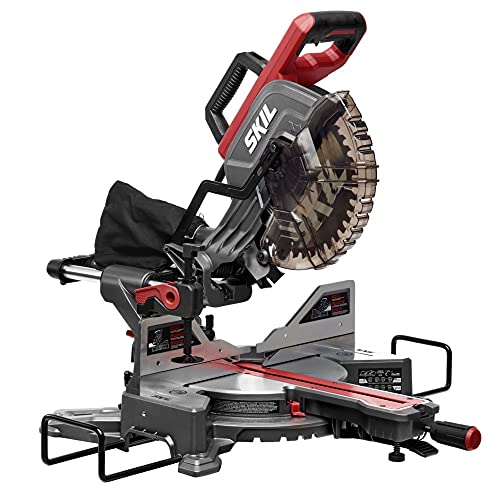
A circular saw is a must for making straight cuts accurately. For more intricate designs, a jigsaw allows for curved cuts and detailed shaping. Furthermore, a miter saw is excellent for making precise angle cuts, perfect for joints and frames.
Assembly Tools
Invest in a cordless drill to drive screws quickly. Coupled with a set of wood screws, this enhances structural integrity. Additionally, clamps are invaluable for holding pieces firmly together during assembly or drying. A square will assist in ensuring corners are at perfect right angles, which is crucial for a professional appearance.
For finishing touches, sandpaper or a power sander smooths surfaces efficiently, preparing them for treatment. Lastly, protective gear such as safety glasses and a dust mask should be included to ensure safe working conditions.
Incorporating precise tools contributes significantly to achieving a well-crafted product. Organizing your workspace efficiently and keeping your tools well-maintained will enhance productivity and outcomes.
Measuring and Cutting Cedar Wood Accurately
For precise measurements, I always use a reliable tape measure. Whenever I measure lengths, I ensure the tape stays straight and firmly against the wood for an accurate reading.
- I mark cutting lines with a sharp carpenter’s pencil. This creates a clean, visible line that guides my cut.
- When I need to make angled cuts, I employ a miter saw or a square to mark the angle accurately.
Before making any cuts, I double-check my dimensions. This simple step prevents costly mistakes.
For straight cuts, I prefer using a circular saw. I set the depth to slightly more than the thickness of the plank, ensuring a clean cut without damaging my work surface.
For crosscuts, I utilize a miter saw. It offers precision and ease for cutting wider boards. I clamp the piece in place to prevent movement.
During cuts, I let the saw do the work without forcing it, ensuring a smooth finish.
- Always wear safety glasses to protect my eyes.
- Use ear protection if working with loud tools.
After the cuts, I sand the edges lightly to remove any splinters. This step enhances the safety and aesthetics of the final product.
By following these guidelines, I achieve accuracy in my wood measurements and cuts, laying a solid foundation for the next steps in my project.
Joining Techniques for Cedar Furniture Assembly
For strong connections, I often use mortise and tenon joints. This method creates a secure bond, enhancing durability while adding a classic touch to the design.
Doweling
Utilizing dowels is another reliable technique. I drill corresponding holes in adjoining pieces, inserting wooden dowels to align and hold them tightly together. This approach offers a clean look without visible fasteners.
Pocket Hole Joinery
Pocket hole joinery simplifies assembly, especially for angled or tight spaces. I drill angled holes into one workpiece, allowing screws to be driven in at an angle into the adjoining piece. This method is efficient and effective for creating robust joints in less visible areas.
For visible joints, I prefer using biscuit joinery. This involves cutting slots for biscuits–oval-shaped pieces of wood–which I insert into the slots before gluing. It helps align the pieces accurately while providing additional strength.
Lastly, I incorporate threaded inserts for critical load-bearing connections. By embedding metal inserts into one piece, I can easily attach bolts from another piece, offering tremendous strength and stability.
Choosing the right technique depends on the design and the desired aesthetics. Each of these methods offers a unique advantage, ensuring my projects endure the test of time while looking appealing.
Finishing Options for Cedar Furniture
Choosing the right finish can enhance both the appearance and longevity of your wooden creations. I typically prefer using a quality outdoor or indoor wood finish that suits the intended use of the piece. For outdoor applications, a penetrating oil, such as tung or linseed oil, provides excellent protection while allowing the natural beauty to shine through.
Protective Coatings
For a more durable finish, consider polyurethane or marine varnish. These create a hard protective layer that resists moisture and wear. I opt for a satin or semi-gloss sheen to maintain a natural look while offering added protection against the elements.
Natural Stains
If a specific color is desired, natural stains can enhance the hue without masking the grain. Water-based stains are preferable for their quick drying time and low odor. I ensure to test the stain on a scrap piece first to confirm that it achieves the desired effect.
Finally, regular maintenance, such as reapplying oil or re-coating with varnish, prolongs the life of the finish and preserves the wood’s rich character. Keeping the piece clean and dry will also aid in maintaining its aesthetic appeal.
Maintaining Cedar Furniture for Longevity
Regular cleaning with a soft cloth and mild soap prevents dust accumulation and maintains the wood’s natural beauty. Rinse thoroughly and dry to avoid moisture damage.
Applying a protective finish, like a clear sealant, shields the surface from UV rays and moisture, enhancing durability. Reapply every few years for continued protection.
Inspect for signs of wear or damage periodically. Addressing small scratches or dents promptly can prevent them from worsening. Use wood fillers for deeper imperfections and sand lightly before refinishing.
Keep items away from direct heat sources to prevent warping. Positioning in a climate-controlled environment reduces the chances of cracking or splitting.
During the off-season, consider storing pieces indoors or using furniture covers to shield them from harsh weather conditions. This extends their life significantly.
Finally, maintain the natural aroma by avoiding harsh chemicals. Opt for natural oils occasionally to nourish the wood, preserving its unique scent and texture.
Restoring Old Cedar Furniture
Begin with a thorough cleaning. Use a mixture of mild soap and warm water. Gently scrub the surface with a soft cloth to remove dirt and grime.
Inspect for damage. Look for cracks, scratches, or loose joints. Address these issues by securing joints with wood glue or replacing damaged parts.
For deep scratches and stains, sand the affected areas. Start with coarse grit sandpaper, then proceed to finer grits to achieve a smooth finish. Always sand in the direction of the wood grain.
After sanding, clean the surface again to remove dust particles. A tack cloth or a slightly damp cloth works well for this task.
Consider applying a wood conditioner to nourish the surface before finishing. This helps to enhance the appearance and allows for a more even application of the chosen treatment.
Choose a suitable treatment option: natural oils, stains, or sealants. Each enhances the wood’s character and provides protection against moisture and UV rays.
- Natural oils: Penetrate the wood, providing a warm glow and enhancing grain. Apply with a soft cloth and let it absorb.
- Stains: Offer color options while maintaining visibility of the grain. Test on a small area first to ensure desired results.
- Sealants: Create a protective barrier. Apply in thin coats, sanding lightly between each application for best adhesion.
Finish with a thorough buff using a soft cloth. This will enhance the luster and provide a more polished appearance.
Finally, establish a maintenance routine. Regular dusting and occasional reapplication of oils or sealants will sustain the piece’s beauty and longevity.
Design Inspirations for Cedar Furniture Projects
Consider creating a modern minimalist piece that highlights the natural beauty of wood grain. Utilize sleek lines and a simple form to let the material speak for itself. Combining light and dark wood elements can add visual interest.
Rustic charm can be achieved by incorporating distressed finishes and an intentionally rough texture. Make use of reclaimed materials for a vintage look that tells a story. Complementary colors, such as deep greens or earthy browns, can enhance the overall aesthetic.
For a coastal-inspired design, incorporate soft, airy shapes and a light color palette. Curved edges and open shelving can evoke a beachy vibe while maintaining functionality. Using soft finishes will help achieve that relaxed feel.
Industrial designs benefit from raw finishes and exposed hardware. Opt for bold, geometric shapes that emphasize sturdiness. Pairing wooden components with metal accents creates a striking contrast that captures attention.
For a playful touch, consider experimenting with unique shapes or dynamic assemblies. Think about modular designs that allow for rearrangement, providing versatility. Add cushions in vibrant colors to soften the look, making it more inviting.
| Style | Characteristics | Color Palette |
|---|---|---|
| Modern Minimalist | Sleek lines, simple form | Light and dark contrasts |
| Rustic | Distressed finishes, rough texture | Earthy tones, deep greens |
| Coastal | Soft, airy shapes | Light tones, pastel colors |
| Industrial | Raw finishes, exposed hardware | Bold, dark tones |
| Playful | Unique shapes, modular designs | Vibrant colors |
Mixing different styles can provide a fresh and inventive approach. Look into combining minimalistic features with rustic elements for a modern farmhouse aesthetic. Alternatively, a blend of industrial and playful styles can yield unexpected yet delightful results.


