
 Caleb Turner
Begin with a simple solution: mix equal parts of olive oil and vinegar. Apply this blend to the affected area using a soft cloth, rubbing gently in the direction of the grain. This mixture not only nourishes the finish but also helps to conceal light impressions.
If deeper blemishes are present, fine steel wool can be a trusty ally. Gently buff the compromised region with 0000-grade steel wool, ensuring you follow the grain’s direction to avoid further damage. Afterward, apply your chosen wax or polish to restore the luster and provide a protective barrier.
Knot holes or small pits can be addressed with a wax stick that matches the finish. Smoothly fill the indented area and blend it in with the surrounding surface. Once dry, a light buffing with a cloth will ensure a seamless appearance.


Restoring Imperfections on Natural Surfaces
I recommend using a mixture of olive oil and vinegar for minor imperfections. Combine equal parts of both ingredients in a bowl. Apply the mixture with a soft cloth, rubbing gently in the direction of the grain. This not only helps minimize visible flaws but also nourishes the surface, improving its appearance.
Using Wax Products
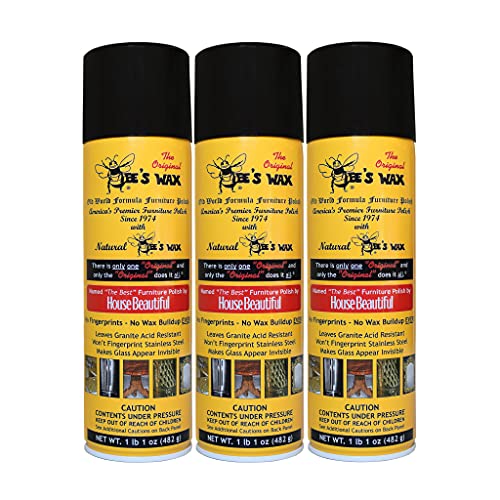
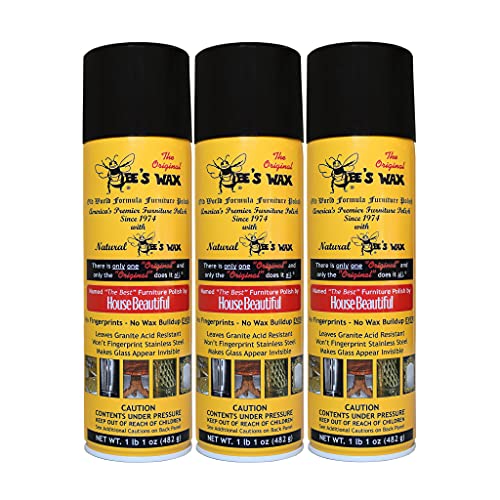
For deeper marks, consider a beeswax or paraffin-based product. Begin by cleaning the area thoroughly, then apply a small amount of the wax with your fingers or a soft cloth. Buff it gently until the area blends seamlessly with the rest of the surface. This process will provide a protective layer while enhancing the shine.
Professional Solutions
If the damage is extensive, consult with a restoration specialist. They can assess the condition and may utilize advanced techniques such as sanding or refinishing. This step ensures that the original beauty of the piece is restored while preserving its character.
Identify the Type of Wood Finish
Knowing the type of finish is crucial before addressing any imperfections on your surfaces. Here’s how to determine the kind of coating applied:
- Water-based Finishes: Feel for a slight tackiness after drying. These tend to dry quickly and may have a milky appearance when wet.
- Oil-based Finishes: Look for a yellowish tint that darkens over time. They also have a characteristic smell during application. These finishes often require mineral spirits for cleaning.
- Lacquer: Check for a hard, glossy surface. This type of finish dries quickly and provides a smooth texture. It can be identified by its strong solvent smell.
- Polyurethane: This finish is typically more durable. It feels plastic-like to the touch and is often available in matte, satin, or glossy options. The finish is resistant to water and spills.
- Shellac: Identify this by its warm, amber glow. Shellac is more sensitive to heat and alcohol, so be cautious with cleaning products.
Once you determine the finish type, I can use appropriate methods to carefully restore the surface. Make sure to have the right materials on hand for the specific finish.
Gather Necessary Supplies for Repair
Collect the following items before proceeding with the restoration of your surface:
- Fine-grit sandpaper (220 to 400 grit)
- Soft, lint-free cloths
- Wood polish or conditioner
- Olive oil or mineral oil
- Wood filler or wax stick that matches the original finish
- Protective gloves
- Small plastic scraper or putty knife
Additional Considerations
Ensure that the wood polish is suitable for the finish type. A test in an inconspicuous area can help to avoid unwanted results. Keep your workspace clean to prevent dirt from introducing new blemishes during the process.
Safety Precautions
Wearing gloves is important for skin protection, especially when using chemicals or fillers. Ensure proper ventilation in your working area to avoid inhaling fumes.
Prepare the Surface Before Buffing
Clean the area thoroughly using a microfiber cloth or soft sponge. This removes dirt and debris that could interfere with the repair process. For sticky residues, a gentle cleaner suitable for finishes should be applied. Always test in an inconspicuous spot first to prevent any reaction with the surface.
Check for Damage
Examine the surface closely to ensure there are no deep dents or fissures. If present, these need to be addressed separately, as merely smoothing the top layer won’t be sufficient. Ensure that the finish around the imperfections is intact, as this will affect how the repair blends with the surrounding area.
Test Compatibility
Test the cleaning product and any repair solutions on a hidden area before applying them broadly. Depending on the type of finish–like polyurethane or lacquer–some products may cause discoloration or damage. Confirm the compatibility to ensure effective results without further harm.
| Action | Details |
|---|---|
| Clean Surface | Use a microfiber cloth and suitable cleaner. |
| Inspect Damage | Look for any deep marks or chips. |
| Conduct a Test | Try products on a hidden area first. |
Use a Wax or Polish for Light Imperfections
Applying a quality wax or polish can effectively diminish minor imperfections on the surface. Choose a product that matches the finish of the piece–be it satin, matte, or glossy.
I focus on areas showing signs of wear by first cleaning the surface with a soft cloth to remove dust and debris. After ensuring the area is clean, I apply a small amount of wax or polish directly onto a clean, soft cloth, avoiding over-saturation.
Using circular motions, I gently rub the product into the affected area, ensuring even coverage. For optimal results, I allow the wax or polish to set for the time specified on the product label, typically ranging from a few minutes to half an hour.
After it has set, I buff the area with a clean section of cloth, creating a shine that helps conceal the imperfections. Regular maintenance using wax or polish not only improves appearance but also provides a protective layer against future damage.
Apply a Wood Stain for Deeper Scratches
Choose a stain that closely matches the original hue of your surface. Test it on a hidden area to ensure a color match before proceeding. Using a clean cloth, apply a small amount of stain directly onto the deeper indentations, ensuring it penetrates thoroughly. Allow the stain to set for the time indicated on the label, typically around 5-10 minutes.
After the waiting period, wipe off any excess stain with a different clean cloth. This step ensures an even finish and prevents the area from becoming too dark. Once dry, assess the appearance; you may find that additional applications are necessary for a more uniform color. Repeat the process as needed, always allowing drying time between coats.
After achieving the desired hue, seal the area with a suitable topcoat. This seals the stain and adds protection against future damage. Select a finish that complements the existing layer, whether it be matte, satin, or glossy. Apply it evenly with a brush or cloth, and let it cure according to the manufacturer’s instructions before putting the item back into use.
Consider Using a DIY Scratch Repair Solution
I recommend combining natural ingredients to create your own effective repair mixture. A simple solution can be made by mixing equal parts of olive oil and vinegar. This blend not only moisturizes but also enhances the luster of the surface. Apply the mixture using a soft cloth, ensuring you rub it gently into the affected area.
Alternative Homemade Remedies
An alternative involves using walnuts or pecans. Rubbing the meat of a nut directly onto the ding can fill in minor imperfections effectively. Let it sit for a few minutes before buffing it with a cloth to achieve a seamless finish.
Use of Beeswax
For an added layer of protection, I suggest utilizing beeswax. Melt a small amount and allow it to cool slightly before applying it to the surface using a clean cloth. This not only conceals marks but also provides a protective finish that repels moisture.
Test Your Method on an Inconspicuous Area
I always recommend applying any repair solution or technique on a hidden spot. This could be the back of a drawer or an obscure corner. This test ensures that the method you choose doesn’t alter the appearance or texture of the surface dramatically.
How to Conduct the Test
Use a small amount of the product and apply it gently with a soft cloth. Rub in a circular motion, similar to what you intend to do on the visible areas. After a few minutes, observe the reaction of the finish. Check if there’s any discoloration or damage. If the surface looks satisfactory, you’re good to proceed.
What to Look For
Pay attention to the sheen and color. It’s critical that the product blends seamlessly with the existing finish. If you notice any adverse effects, switch to a different option or adjust your technique accordingly.
Maintain Your Wood Furniture After Repair
Regular upkeep is crucial for extending the life of your restored pieces. I recommend applying a high-quality furniture polish every few months. This not only enhances the shine but also creates a protective layer against dust and moisture.
Keep humidity levels in check; aim for a consistent range between 40% and 60%. Moisture can lead to warping or cracking, so consider using a humidifier in dry seasons and a dehumidifier in damp conditions.
Cleaning Techniques
Use a soft, lint-free cloth for cleaning. Microfiber works wonders, as it doesn’t scratch surfaces. Avoid harsh chemicals; instead, a mixture of mild soap and water is often sufficient. Wipe in the direction of the grain to prevent dulling the finish.
Protective Measures
Place coasters under drinks and mats under hot items to prevent heat marks. For everyday protection, I place felt pads under objects and furniture legs to minimize scuffs and indentations. Routinely assess your belongings for signs of wear to catch issues early.


