
 Caleb Turner

Begin with a thorough cleaning using a mixture of warm water and mild soap. This will remove dust and grime without damaging the surface. Use a soft cloth to gently wipe down all areas, paying special attention to crevices where dirt tends to accumulate.
Once cleaned, assess the condition of each item. For minor scratches, a blend of olive oil and vinegar can serve as an effective remedy. Apply the mixture using a soft cloth, rubbing gently to restore shine and minimize the appearance of imperfections.
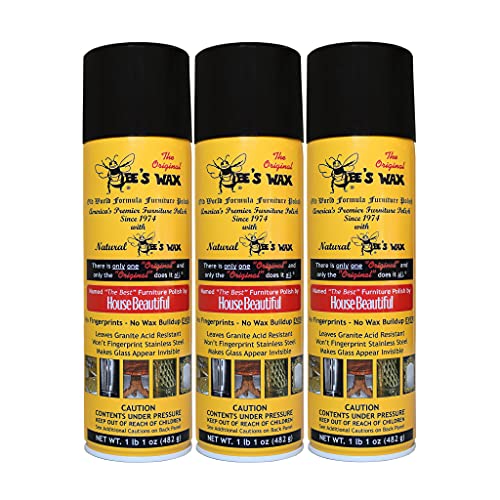
If deeper blemishes or fading are present, consider using a specialized wax. Choose a product that matches the finish of the piece. Apply it evenly with a clean cloth, allowing it to penetrate for optimal results. Following the application, buff the surface to achieve a polished look.


Lastly, to protect against future wear and tear, place felt pads under furniture legs. This simple step will prevent scratches on flooring and extend the longevity of your cherished items. A bit of preventative maintenance can make a significant difference in how these treasures endure over time.
Reviving Your Wooden Pieces
I suggest using a mixture of olive oil and vinegar in a 1:1 ratio to rejuvenate your pieces. Apply it with a soft cloth, making sure to cover the entire surface. This natural polish not only cleans but also enhances the grain and provides a protective layer.
If there are deep scratches or dents, gently rub the affected area with a walnut half. The oil from the nut helps to fill in imperfections, making them less visible.
<pFor a more thorough cleaning, create a solution of warm water and mild soap. Dampen a cloth in the solution, wipe the surface, and then dry immediately to avoid moisture damage.
Regular maintenance is key. Every few months, buff with a quality wax to maintain shine and protection. Beeswax or carnauba wax are excellent choices for keeping surfaces looking fresh.
Always avoid harsh chemicals or abrasive tools, as they can strip the finish and ruin the appearance of your treasured pieces.
Assessing the Condition of Your Wood Furniture
Examine surfaces for scratches, dents, or discoloration. Pay attention to the finish; a dull or sticky surface indicates damage. A gentle wipe with a damp cloth helps reveal hidden issues or residues.
Check joints and connections for looseness. If a piece wobbles, it may require tightening or glue to restore stability. Inspect for signs of pests like small holes or sawdust, indicating potential infestations to address immediately.
Evaluate structural integrity by testing weight-bearing areas. Sit or lean gently to identify weaknesses. Look underneath for signs of water damage, mold, or rot, as these can compromise durability. Ensure legs and supports are intact and free of cracks.
Identify any odors; musty smells suggest moisture-related problems. Ensure a thorough assessment in well-lit areas to spot all imperfections. Consider documenting the condition with photos to track progress throughout the restoration process.
Cleaning Techniques for Different Finishes
For proper maintenance, I tailor my cleaning technique based on the specific finish of the surface. Here are the approaches I utilize:
Oiled Finishes
- Start with a soft, dry microfiber cloth to remove dust and debris.
- If deeper cleaning is necessary, I mix a few drops of mild dish soap in warm water. I dampen a cloth (not soaking) and gently wipe the surface.
- After cleaning, I thoroughly dry the area with a clean, dry cloth to prevent moisture absorption.
- To restore luster, I apply a small amount of wood oil, buffing with a fresh cloth.
Lacquer Finishes
- I begin by dusting with a soft cloth to eliminate loose particles.
- For stubborn stains, I use a mixture of equal parts vinegar and water. Lightly dampening a cloth, I wipe the affected area, ensuring not to soak.
- I rinse with a damp cloth and dry the surface immediately to avoid streaking.
Shellac Finishes
- Gentle cleaning is key; I opt for a slightly damp cloth to lift dust without damaging the finish.
- For sticky residue, I mix a small amount of denatured alcohol with water to create a safe cleaning solution.
- I apply the solution with a cloth, careful not to saturate, followed by a dry cloth to remove any excess moisture.
Varnished Finishes
- I start by using a soft cloth or feather duster to clear any dust.
- For tough stains, I use a mix of mild soap and warm water, dampening a cloth and wiping the area before drying thoroughly.
- If the surface appears dull, I consider applying a commercial furniture polish specifically designed for varnished surfaces, buffing it out with a clean cloth for a shine.
Choosing the right technique based on the finish not only preserves appearance but extends the longevity of these surfaces. Regular maintenance can make a significant difference in how these pieces look and feel over time.
Repairing Scratches and Dents on Wood Surfaces
For shallow scratches, I recommend using a walnut. Simply rub the meat of the nut over the scratch, allowing the natural oils to fill in the disruption. Wipe off any excess with a soft cloth, and you’ll notice improvement.
To tackle deeper scratches, I utilize a mixture of equal parts fine sawdust and clear wood glue. After creating a paste, I fill the scratch, smoothing it out level with the surface. Once dry, I lightly sand the area with fine-grit sandpaper and apply a matching finish to blend it seamlessly.
For dents, a steam method works wonders. Place a wet cloth over the dent and apply a heated iron for a few seconds. The steam will expand the wood fibers, allowing the dent to rise. Afterward, lightly sand the area and finish with polish to restore shine.
In cases of significant surface damage, consider using a stain marker that matches the finish. Carefully color in the scratch or dent, allowing it to dry fully before applying a protective topcoat to ensure durability.
Regular inspections and prompt repairs can significantly extend the life of the surface, keeping it looking beautiful and well-maintained. Always test solutions on an inconspicuous area to ensure compatibility with the finish before proceeding.
Restoring the Original Shine with Polishes and Oils
Choosing the right product is crucial for reviving the luster of my treasured pieces. Natural oils, such as tung or linseed oil, penetrate deeply, nourishing the surface and enhancing grain visibility. I apply these oils with a soft cloth, allowing them to soak in for a few hours before buffing with a clean rag.
Types of Products
| Product Type | Benefits | Application Method |
|---|---|---|
| Natural Oils | Enhances grain, penetrates deeply | Apply with cloth, buff after soaking |
| Furniture Polish | Creates a protective layer, adds shine | Spray on surface, buff with a dry cloth |
| Beeswax | Provides a natural sheen, protects finish | Rub in with cloth, let it sit, then buff |
For regular upkeep, I prefer a spray polish combined with a microfiber cloth, as it quickly restores shine without buildup. I ensure the surfaces are dust-free before application. If scratches remain visible, I mix a touch of oil with a polishing compound. This helps blend imperfections seamlessly.
Final Touches
After applying any product, I let it sit undisturbed for a few hours or overnight. This allows the finish to settle properly. Lastly, buffing gently enhances both the visual appeal and creates a protective layer, extending the longevity of the piece.
Addressing Structural Issues in Wood Furnishings
Examine joints for signs of looseness or damage. Use wood glue to re-secure loose dovetail or mortise and tenon joints, applying clamps until dry. For significant deterioration, consider replacing entire sections if necessary.
Strengthening Stability
If legs wobble, insert wooden shims into uneven areas to stabilize. For serious instability, attach corner braces or dowels for added support. Ensure the surface is level before further actions.
Dealing with Cracks and Splits
Apply epoxy filler to cracks, ensuring it penetrates deeply. After curing, sand down excess to create a smooth finish. If splits are extensive, reinforcing the structure with splines can also prove effective.
Choosing the Right Paint or Stain for Refinishing
Selecting the appropriate coating is key to achieving the desired aesthetic and protection. Here’s how to choose wisely:
- Type of Finish:
- Oil-based Stains: Offer rich color and deep penetration. Ideal for enhancing wood grain.
- Water-based Stains: Quick-drying, low odor, and easy to clean; suitable for a lighter finish.
- Sheen Level:
- Matte: Provides a natural look but may show scratches easily.
- Satin: Balances between low glare and durability, suitable for various pieces.
- Gloss or Semi-gloss: Adds shine and is more resistant to wear, great for high-traffic areas.
- Color Choice:
- Matching Existing Tones: Consider samples against the original finish to ensure harmony.
- Trendy Tones: Grays and soft pastels can modernize while still respecting classic styles.
- Durability Needs:
- High-traffic Areas: Opt for tougher finishes, like polyurethane, to withstand daily use.
- Less-used Pieces: More forgiving options may suffice, such as wax or oil-based coatings.
Always prep the surfaces properly prior to application. Test in inconspicuous areas to confirm compatibility. This ensures achieving the perfect result without surprises.
Maintaining Restored Wood Décor for Longevity
Regular dusting with a soft, lint-free cloth prevents grime build-up and maintains the beauty of the surface. I avoid using harsh chemicals, opting for a mix of mild soap and water for deeper cleaning when necessary.
Humidity Control
Maintaining a stable humidity level is crucial. I use a humidifier during dry seasons and a dehumidifier in more humid conditions, keeping the environment at around 40%-60% humidity. This helps prevent warping and cracking.
Periodic Treatment
I apply high-quality wax or oil every six months to nourish the surface and protect against wear. This treatment revives the finish and enhances its natural beauty. I focus on high-traffic areas and spots that show signs of use.
Lastly, placing coasters, placemats, and preventing exposure to direct sunlight can further safeguard finishes and structures, ensuring long-lasting enjoyment of my restored treasures.


