Caleb Turner

Mix equal parts of vinegar and olive oil to create a simple yet powerful solution for reviving your aged surfaces. This blend not only cleans but also conditions the material, helping it regain its natural glow. Use a soft cloth to apply the mixture in a circular motion, ensuring even coverage.
For deeper restoration, a furniture polish made from beeswax and mineral oil can work wonders. Melt the beeswax and combine it with mineral oil in a 1:4 ratio. This treatment nourishes the surface, seals it, and provides a protective layer against future wear and tear.
Regular maintenance is key to long-lasting appeal. Dusting with a microfiber cloth every week prevents the buildup of grime and preserves the finish. It’s a small effort that pays off significantly in the appearance of your beloved assets.
Stay away from harsh chemicals. Instead, opt for natural solutions that clean without causing damage. For stubborn spots, a paste made from baking soda and water can effectively lift stains without scratching the surface.
Restoring Luster to Wooden Items
I recommend mixing equal parts of olive oil and white vinegar. This solution not only cleans but also nourishes the surface. Apply with a soft cloth, working in the direction of the grain.


To tackle tough spots, a paste of baking soda and water can be useful. Gently rub it on the affected area with a damp cloth. Rinse and dry thoroughly afterward.
- Create a natural beeswax polish using grated beeswax and mineral oil. Melt the beeswax, mix with oil, and let it cool to create a paste. Buff it onto the surface for a protective finish.
- Use a fine-grade steel wool pad for polished surfaces. Lightly buff to restore smoothness without causing scratches.
- A few drops of lemon juice in your cleaning solution can enhance brightness and eliminate odors. Make sure to follow with a proper wipe-down.
Regularly dusting with a microfiber cloth prevents dirt buildup, prolonging the life of the finish. Consider keeping items out of direct sunlight to reduce fading.
For a quick refresh, a diluted (1:10) solution of rubbing alcohol can remove residue. Always test in an inconspicuous area first to ensure no adverse reactions.
Lastly, applying a good-quality polish periodically helps to maintain the appearance and offers a layer of protection. Choose a product suitable for the specific finish of your piece.
Choosing the Right Cleaning Solution for Wood
Opt for a pH-balanced cleaner specifically formulated for natural surfaces. Avoid harsh chemicals that can strip the finish or damage the grain. I personally recommend products that contain natural oils and mild detergents, as these help maintain the surface while providing a gentle clean.
For a homemade alternative, mix equal parts of white vinegar and olive oil. This solution not only cleans but also nourishes the surface, leaving a subtle luster. However, always test a small, inconspicuous area first to ensure compatibility.
Pay attention to the specific type of finish your item has, as this affects the choice of cleaner. A glossy finish may require a different solution than a matte or oiled surface. Here’s a quick reference:
| Finish Type | Recommended Cleaner |
|---|---|
| Glossy | Spray cleaner designed for high-gloss finishes |
| Matte | Mild soap solution (1 part soap, 10 parts water) |
| Oiled | Nourishing oil cleaner or a mixture of vinegar and oil |
| Unfinished | Soft, damp cloth or very light soap solution |
Always remember to follow the manufacturer’s instructions, particularly for antique or valuable pieces. These guidelines will help preserve the integrity and appearance of your cherished items over time.
Proper Dusting Techniques for Wooden Surfaces
I recommend using a microfiber cloth for optimal results. Its fibers can trap dust particles effectively without scratching the surface. Begin by folding the cloth into quarters, allowing for multiple clean surfaces to work with. This method maximizes the cleaning area while ensuring even pressure across the surface.
Direction Matters
Dust in the direction of the grain, as this technique prevents any potential scratches and helps lift dirt away. For intricate carvings or textured areas, gently dab or use a soft-bristle brush to reach those spots without damaging them. Regularly shake out the cloth or switch to a clean section to avoid redistributing dust.
Frequency and Timing
I suggest dusting at least once a week to maintain the appearance of your items. If the environment is particularly dusty, consider increasing the frequency. Dusting before polishing or cleaning ensures that no particles scratch the finish during the maintenance process.
For a thorough cleaning, dust in conjunction with selected cleaning solutions. This approach enhances the overall look and longevity of your cherished possessions, keeping them in pristine condition.
Applying Natural Oils for a Shine Boost
I recommend using natural oils such as mineral oil, walnut oil, or lemon oil to enhance the luster of your surfaces. Apply a small amount of your chosen oil to a soft, lint-free cloth. Gently rub it into the surface in a circular motion, allowing the oil to penetrate and nourish the grain. This not only adds a protective layer but also revitalizes the appearance.
<p.Before applying, ensure that the area is clean and free from dust. For best results, allow the oil to sit for about 15-20 minutes before buffing it with a clean, dry cloth. This step helps to remove any excess oil while leaving a smooth finish.
<p.Walnut oil is particularly beneficial for dark woods, providing a rich depth of color. On the other hand, mineral oil serves as a versatile option suitable for various types of finishes. For a refreshing scent and added benefit, lemon oil can be used, but be cautious as it may not be suitable for all surfaces.
<p.Reapply the oil treatment every few months or whenever you notice a dull appearance. Consistency in maintenance will ensure that the original beauty of your pieces is preserved for years.
Using Beeswax to Protect and Shine
I recommend applying beeswax for a natural finish on surfaces. First, ensure the area is clean and free from dust. Take a soft cloth, dip it in beeswax polish, and apply a thin layer in circular motions. Pay attention to the grain of the material to enhance its natural beauty.
<p.Allow the polish to sit for about 15 minutes, then buff the surface with a clean, dry cloth. This will help achieve a lustrous glow and create a barrier against moisture and dirt. Regular application, every few months, can significantly maintain the appearance and longevity of the piece.
<p.For areas that experience higher wear and tear, like tabletops, consider layering the beeswax polish for added protection. If you notice any buildup over time, revisit the cleaning process and remove excess wax gently before reapplying.
<p.Beeswax not only enhances the surface but also nourishes the underlying material, making it a great choice for maintaining beauty and durability in cherished items. It’s an eco-friendly option that minimizes the use of harsh chemicals, making it suitable for any household.
Restoring Finish with Furniture Polish Techniques
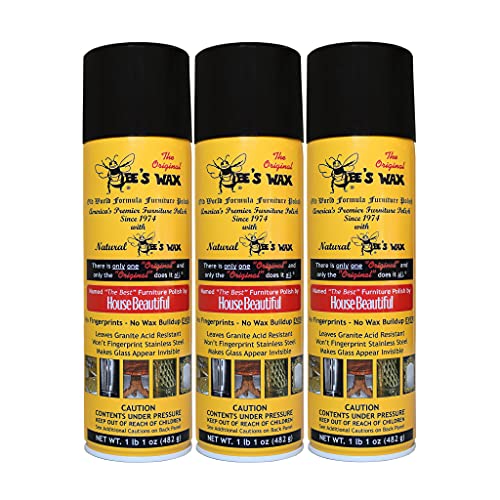
I recommend using a high-quality furniture polish specifically designed to enhance and protect finishes. Start by shaking the canister well. Apply a small amount to a clean, soft lint-free cloth. It’s crucial not to saturate the cloth–less is more. Gently buff the surface in circular motions, covering a small area at a time.
If the surface is particularly worn, consider using a polish that contains silicone or beeswax, ensuring it provides a protective layer. After applying, wipe away any excess product immediately to avoid a sticky residue.
An optional step is to let the polish sit for a few minutes before buffing. This allows the product to penetrate the finish better, resulting in a more pronounced effect. Always test on an inconspicuous area first to check for any adverse reactions.
<p.When finished, assess the gloss level. If a deeper luster is desired, repeat the process, applying multiple thin layers instead of a single thick one. I often find that regular maintenance polishing–every few months–helps preserve the finish and keeps surfaces looking new.
<p.Always store products in a cool, dry place and be mindful of applying polish in a well-ventilated area to minimize fumes. Following these tips will rejuvenate your beloved pieces, allowing their natural beauty to shine through.
Identifying and Treating Scratches on Surfaces
To effectively address scratches, first examine the extent of the damage. A light scratch may only require minimal intervention, while deeper gouges might need more significant repair.
- Visual Inspection: Check the surface under good lighting. Use a magnifying glass for clarity if necessary.
- Finger Test: Run your fingers across the area. If you can feel a distinct groove, it’s a deeper scratch.
For minor scratches, the following methods can restore the appearance:
- Natural Oils: Apply a small amount of olive oil or coconut oil with a soft cloth. Rub gently to help fill in the scratch.
- Walnut Method: Rub a walnut half along the scratch. The nut’s oils and pigments can often mask the damage.
For more severe scratches:
- Wood Fillers: Choose a wood filler that matches the finish of the surface. Apply it into the scratch, following the manufacturer’s instructions. Let it dry completely before sanding lightly to smooth it out.
- Sand and Refinish: If the damage is substantial, consider sanding the affected area down to the bare material. After sanding, apply a suitable finish to match the original look.
After any treatment, ensure to clean the area. Use a damp cloth to remove any residue, followed by a dry cloth to prevent moisture damage.
Maintaining Shine: Regular Care Tips for Wood Furniture
I recommend establishing a consistent routine to keep your surfaces looking their best. Begin with a microfiber cloth for dusting at least once a week to remove dirt and debris that can dull finishes. This type of fabric traps dust without scratching the surface.
Utilizing a damp cloth for deeper cleanings is beneficial. Lightly moisten the cloth with water and gently wipe down the pieces, ensuring you’re not soaking the material. Follow this by drying with a soft, dry cloth to prevent any moisture absorption that could lead to damage.
Applying a protective layer using high-quality furniture oil once every few months can significantly enhance the appearance. Choose products designed specifically for your type of material, applying evenly and wiping off any excess to prevent residue buildup.
Additionally, consider positioning your items away from direct sunlight and heat sources. This simple action prevents fading and cracking over time. Using coasters and placemats also safeguards surfaces and minimizes wear from everyday use.
Incorporating these steps into your regular cleaning routine will maintain the elegance of your cherished pieces, ensuring they remain a centerpiece of your home for years to come.