
 Caleb Turner
Choosing a striking piece from different eras is key. I often select a bold modern chair to complement an ornate wooden table, creating a visual dialogue that showcases each item’s distinctive character. A crisp, minimalist chair can act as a counterpoint to intricate patterns and textures found in a classic piece, adding depth to the space without overwhelming it.
Harmonizing color palettes provides a seamless transition between styles. When I incorporate various hues, I tend to focus on complementary shades that enhance the unique attributes of each item. For instance, pairing a warm-toned vintage dresser with cool-toned contemporary artwork creates balance and allows both elements to shine. I find that using a unifying color scheme throughout the room helps unify disparate pieces.


Another effective tactic involves layering textures. By combining smooth surfaces of sleek designs with the rustic finish of older items, I create a tactile experience that invites touch. Incorporating textiles, such as a plush area rug or vibrant throws, can also enrich the space, making it feel welcoming and inviting, while seamlessly connecting the various elements.
Strategically placing eye-catching decorative accents can serve to enhance the overall aesthetic. I like to use a modern lamp on a vintage side table or display contemporary sculptures alongside classic frames. This not only highlights the unique shapes and styles of each piece but also encourages exploration and conversation within the room.
Harmonizing Contemporary and Classic Decor
Incorporate a unifying color palette. Select hues that resonate with both eras, ensuring the visual flow remains consistent throughout the space.
Utilize contrast effectively. Pair sleek, minimal lines with intricate detailing. A streamlined sofa can serve as a striking counterpoint to an elaborate vintage chair, creating an engaging aesthetic.
Introduce texture variations. Mixing smooth finishes with rich upholstery or distressed surfaces enhances the overall appeal. Consider combining polished metal with weathered wood for a sophisticated juxtaposition.
Incorporate statement pieces. A bold, contemporary artwork can act as a focal point, drawing attention while harmonizing with a classic side table, creating a cohesive narrative in the room.
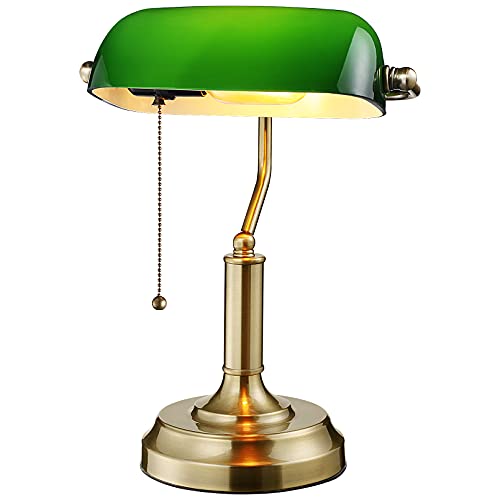
Strategically position items. Grouping similar styles together can establish balance. For instance, place an antique lamp on a modern console table, allowing the stylish juxtaposition to shine.
Accessorize cleverly. Use decorative elements like throws or cushions that bridge the gap between the styles, incorporating patterns or fabrics that echo both periods.
Consider scale and proportion. Ensure that the size of each item complements the others. A large, ornate cabinet should harmonize with more streamlined pieces to avoid visual clutter.
Seek inspiration from historical periods. Understanding design movements will help you select pieces that complement one another, enriching your interior narrative.
Choosing a Color Palette to Harmonize Styles
Select a cohesive color scheme that ties together new and classic pieces. Neutrals like taupe, beige, or soft gray create a seamless backdrop, allowing various styles to coexist without clashing. Add depth with accent colors inspired by the antique elements, such as rich emerald, deep burgundy, or muted mustard.
Incorporating Textures
Add layers with different materials to enhance your palette. A velvet cushion in a bold shade next to a leather chair can bring warmth while maintaining cohesion. Use textiles, such as woven throws or patterned rugs, to introduce subtle variations in color and texture.
Accent Pieces
<p.Use artwork and decorative items to echo your chosen palette. These objects can bridge the gap between eras, ensuring a harmonious look. For instance, modern art with splashes of the same accent colors will resonate with the older design elements while creating visual interest.
Finding the Right Balance Between Old and New Pieces
I recommend choosing a focal point in the room to establish hierarchy among your selections. For example, if a classic piece serves as the centerpiece, allow it to dictate the surrounding elements. Ensure the color, scale, and style of newer items harmonize with this anchor.
Selecting a few statement items from each era can prevent overcrowding. Consider limiting yourself to two or three standout pieces from each category. This approach allows the eye to travel effortlessly without feeling overwhelmed.
Playing with texture can greatly enhance the interaction between items from various time periods. For instance, pairing a sleek, polished table with a richly textured, upholstered vintage chair introduces depth and plays on contrasts. This method fosters a dynamic visual experience.
The use of accessories can bridge gaps between stylistic differences. Choose decor elements, such as art or textiles, that feature colors or patterns common to both styles. A well-placed rug can serve as an excellent mediator, tying the space together.
Consider scale when selecting your items. Mixing oversized pieces with more petite ones can create an engaging flow. For example, a grand armchair contrasted with a streamlined modern side table can enhance visual interest.
I recommend incorporating lighting elements that complement both aspects. A contemporary lamp on an antique table can create a seamless blend, showcasing the beauty of each without overshadowing the other.
Finally, trust your instincts. Design is subjective, and what resonates with you is paramount. Experiment with arrangements, and don’t hesitate to rearrange until you achieve a look that feels balanced and inviting.
Mixing Textures for a Cohesive Look
Incorporating different materials can elevate the aesthetic appeal of your space. For a harmonious environment, consider the following strategies:
- Layering Textiles: Combine various fabric types like velvet, linen, and leather. A velvet cushion can add luxury next to a weathered burlap throw, creating visual interest.
- Contrasting Surfaces: Pair sleek glass or metal elements with natural wood finishes. A glass coffee table contrasts beautifully with a rustic wooden side table, grounding the room.
- Utilizing Rugs: Select a bold patterned rug to define areas. A contemporary geometric design can spark dialogue when placed beneath an elaborate, classical seating arrangement.
- Incorporating Accessories: Blend different materials in art pieces and decor. A ceramic vase alongside a metallic sculpture will create an engaging tableau on a shelf.
- Inconsistent Shapes: Mix furniture with varying silhouettes. A straight-lined desk pairs well with a rounded armchair, enhancing the dynamic of the space.
Be attentive to the balance of texture. Soft, matte finishes can complement shiny, smooth surfaces, while rough materials can add depth to sleek designs. When planning your layout, keep in mind the overall atmosphere you want to convey, ensuring that each element, from textiles to structural pieces, works together harmoniously.
Incorporating Accessories to Link Different Eras
To create harmony between diverse styles, I find that accessories play a pivotal role. Consider selecting a statement piece that can act as a bridge; for example, a contemporary vase with clean lines can rest upon an ornate, vintage side table, creating a visual connection. Use art as a unifying element–modern prints framed in antique frames can echo the past while drawing the eye to the present.
Layering Textiles
Textiles can significantly enhance the fusion of distinct aesthetics. I recommend mixing throw pillows that feature contemporary patterns with those made from vintage fabrics. Drape a modern throw over an antique armchair, which not only adds comfort but also juxtaposes styles effectively. Area rugs can also tie the room together; choose a contemporary design with colors that reflect the tones found in older pieces.
Curated Display of Objects
A thoughtfully curated display of decorative objects can serve as a powerful linking device. Arrange a mix of modern sculptures and classic memorabilia on shelves. Balance is key; make sure there are cohesive elements, such as color or material, that connect the new and classic items. Additionally, a well-chosen collection of books can serve as both decor and a conversation starter, showcasing your eclectic taste.
Using Lighting to Bridge Modern and Antique Styles
Incorporating appropriate lighting is key to harmonizing diverse aesthetics in a space. I recommend using a combination of fixtures that serve both functional and decorative purposes.
Layered Lighting
- Ambient Lighting: Opt for ceiling fixtures that feature clean lines or a sleek design to establish a contemporary groundwork.
- Task Lighting: Desk lamps or floor lamps with a vintage flair can introduce character while offering practicality for reading or working.
- Accent Lighting: Use wall sconces or LED strip lighting to highlight artworks or architectural features, which provides a modern twist while drawing attention to older pieces.
Color Temperature
- Choose warm-toned bulbs (around 2700K) to create an inviting atmosphere that softens stark lines and integrates both styles.
- For specific areas, such as kitchens or workspaces, cooler bulbs can provide clarity and energy, ensuring the design stays fresh.
By strategically placing different lighting sources throughout the space, I can create a cohesive look that respects both eras, enhancing the unique qualities of each without overshadowing the other. Remember, the aim is to create a harmonious interaction within the setting.
Arranging Furniture for Visual Flow in the Space
Prioritize pathways. Ensure that movement through the area is unhindered by strategically placing items to facilitate natural transitions. Utilize rugs to define zones, connecting different styles while enabling distinct, inviting spaces.
Creating Zones
Group seating around a central focal point, such as a coffee table or fireplace. This encourages conversation while introducing a centerpiece that draws the eye, providing a visual anchor amidst varying styles. Consider the scale; large pieces can dominate while smaller ones might get lost.
Using Scale and Proportion
Integrate varied dimensions to create interesting visual contrasts. Place a tall, slender bookshelf next to a low, wide sofa to enhance depth. I balance heavier items with lightweight accessories to maintain harmony. This strategic layering adds complexity, enriching the overall aesthetic.
Experiment with placement. Often, rearranging a piece may reveal unexpected synergies between contrasting designs. If unsure, try envisioning the space from different angles to identify the most appealing arrangement. This approach often leads to surprising yet satisfying outcomes.
Incorporating Art and Decor for a Unified Theme
To achieve harmony in a space featuring diverse styles, I focus on selecting artwork and decor that connects both newer and vintage elements. I recommend leveraging a unifying motif or color palette that resonates with the existing pieces. This could involve choosing artwork with colors present in both types of items.
Wall art serves as a conversation starter; consider large contemporary pieces framed in ornate antique frames or classic portraits that complement sleek, minimalist decor. By mixing styles, I create visual interest while maintaining cohesion.
In addition, I incorporate decorative items such as vases, sculptures, and textiles that reflect characteristics from each style. For instance, a contemporary ceramic vase placed on an antique wooden table can draw connections between the two. Textiles like throw pillows or blankets in complementary hues can help tie the various elements together while adding comfort.
| Element | Example | Purpose |
|---|---|---|
| Artwork | Modern abstract with vintage frame | Creates a focal point and bridges styles |
| Decorative items | Contemporary vase on antique table | Links different eras through texture |
| Textiles | Bold pattern throw with subtle colors | Adds warmth and visual interest |
Letting these elements work together creates a seamless narrative, allowing the personality of the space to shine through. I focus on balance–too many contrasts can create chaos. Instead, I curate decor that allows each piece to enhance the others rather than compete for attention.
Maintaining Functionality While Mixing Styles
Prioritize practical use when integrating different eras in your living space. Select pieces that serve distinct purposes without compromising aesthetic appeal. For example, a sleek contemporary coffee table may work well alongside a vintage sofa while offering a surface for drinks or reading materials.
Versatile Seating Solutions
Incorporate chairs that provide comfort without overwhelming the design. A minimalist armchair can contrast beautifully with elaborate, ornate side chairs. Ensure each seat is adaptable for both everyday use and entertaining guests.
Storage With Character
Choose storage options that reflect the charm of varying times. A stylish cabinet from a bygone era can house modernwares, while serving as a focal point. Focus on pieces that are functional, like a vintage trunk that can serve dual purposes as seating and storage.
By focusing on the usability of each element, a seamless harmony of eras will emerge while ensuring that the space remains practical and inviting.
FAQ:
What are some tips for mixing antique and modern furniture in a room?
To successfully blend antique and modern furniture, focus on a cohesive color palette. Choose a few colors that appear in both styles to tie the elements together. It’s also useful to balance the visual weight of the pieces; pair heavier antique items with lighter modern designs. Don’t forget about scale, as combining different sizes can create a dynamic look. Adding accessories or art can help create a unified feel throughout the space, making the blend feel intentional rather than accidental.
How can I ensure that the antique pieces don’t overwhelm my modern decor?
One approach is to limit the number of antique pieces you incorporate into the space. Choose one or two statement antiques that can act as focal points without dominating the room. Use modern accessories or furnishings to frame and highlight these antiques. Another strategy is to place modern items in close proximity to the antique pieces; this juxtaposition can help balance their presence. Additionally, using a neutral background color can minimize the starkness and help harmonize the contrasting styles.
Are there specific types of modern furniture that work better with antiques?
Yes, certain modern furniture styles complement antiques effectively. Mid-century modern pieces, characterized by clean lines and organic shapes, often pair well with more ornate antique items. Scandinavian designs, known for their simplicity and functionality, can also harmonize with antique decor due to their neutral colors and minimalist aesthetic. Furthermore, industrial-style furniture, with its raw materials, can create a striking contrast that enhances both styles.
What common mistakes should I avoid while blending antique and modern furniture?
One common mistake is not considering scale and proportion; mixing oversized antiques with tiny modern pieces can create visual chaos. Avoid using too many competing styles in one space, as this can lead to clutter. It’s also important to maintain a balanced color scheme; overly bold contrasts can feel jarring. Lastly, neglecting to arrange your furniture thoughtfully can result in a disjointed look; consider the flow of the space and how your furniture interacts with one another.
How can I accessorize to enhance the blend of antique and modern furniture?
Accessorizing is key to achieving a cohesive look. Start with textiles like throw pillows and blankets that incorporate colors from both styles. Art can also play a significant role; contemporary artworks can contrast beautifully with antiques or vintage-style frames can add warmth to modern pieces. Lighting is another critical aspect; choose fixtures that resonate with both styles, such as a modern pendant light over an antique dining table. Finally, plants or sculptures can serve as unifying elements that soften and connect the different styles.


