
 Caleb Turner
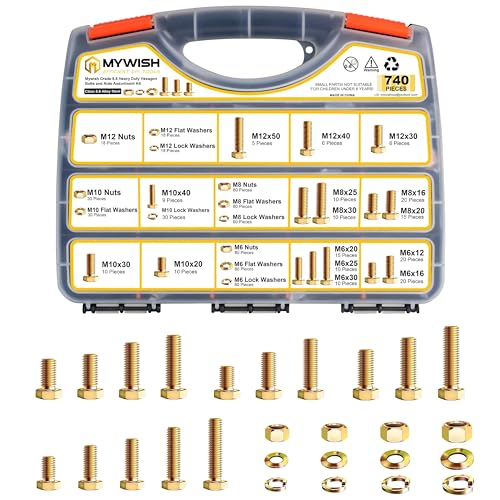
I recommend utilizing heavy-duty screws for a solid connection between your RV’s fixtures and the underlying structure. First, identify the most suitable spots on the underside of your seats or beds, ensuring you align them with support beams or brackets. This will provide a sturdy anchor point that minimizes shifting while traveling.
Next, drill pilot holes using a suitable drill bit, making sure not to penetrate too deeply; this allows the screws to grip securely without damaging any underlying components. Choose screws that are resistant to corrosion, as the humid environments of camping can lead to rust over time.
Once your pilot holes are in place, secure the screws with a power drill or screwdriver, ensuring they are snug but not overly tightened to avoid cracking the material. If added stability is required, consider using L-brackets for extra support at corners, which will further enhance the integrity of your installations.
Securing RV Interior to Prevent Movement
To ensure stability during travel, I fasten the seating and storage units with sturdy brackets. This requires a drill, appropriate anchors, and screws that match the weight and type of the items being anchored.


Materials Required
Gather heavy-duty screws, metal brackets, and a drill. If dealing with a wooden base, employ wood screws; for metal surfaces, use self-tapping screws. Ensure brackets can bear the load of the items.
Installation Steps
First, position the items where they will be permanently situated. Mark the locations for brackets on the base. Pre-drill holes for a stronger hold and insert your anchors. Finally, secure brackets with screws, tightening them until they are firm but avoiding over-tightening that could damage the surface.
Check stability by gently shaking the piece to ensure everything is anchored correctly. This method keeps your interior secure and minimizes wear from movement on the road.
Choosing the Right Bolts for RV Furniture
Selecting appropriate fasteners is critical for ensuring stability and safety. I prefer using bolts made of stainless steel or zinc-plated materials due to their resistance to rust and corrosion, which is essential in variable weather conditions.
Types of Bolts
Popular choices include carriage bolts and lag bolts. Carriage bolts have a rounded head and a square neck, preventing spinning during installation. Lag bolts require pre-drilling and are great for thicker surfaces. I typically choose based on the thickness of the mounting surface and the weight of the item being secured.
Size and Length
Opting for the right size is fundamental. I measure the thickness of the material I’ll fasten to, plus the thickness of the item being secured. A common rule is to use bolts that penetrate at least 1.5 inches into the mounting surface for optimal hold. The table below illustrates common sizes:
| Type | Diameter (inches) | Length (inches) | Use Case |
|---|---|---|---|
| Carriage Bolt | 3/8 | 2 | Medium-weight items |
| Lag Bolt | 1/2 | 3 | Heavy-duty attachments |
| Hex Bolt | 5/16 | 1.5 | Standard applications |
Properly matching these specifications will enhance durability. Regularly checking and tightening each connection can prevent loosening over time, contributing to the longevity of your installations.
Preparing the RV Floor Surface for Installation
Clean the area thoroughly to ensure optimal adhesion and stability. I recommend using a vacuum to remove dust, dirt, and debris. After vacuuming, a damp cloth can help eliminate any remaining residues.
Inspect the substructure for any signs of damage. If I find any soft spots or rot, it’s wise to repair or replace those sections before proceeding. Ensuring a stable base is critical.
Sand the surface lightly with fine-grit sandpaper if it’s painted or lacquered. This helps to create a better bond for any securing mechanism used in the installation.
Designate the exact locations for your items. I use a measuring tape for precise placement. Mark each point clearly with a pencil or tape to simplify the drilling process later.
- Ensure all markings are aligned with structural support beneath.
- Check clearance to avoid any obstructions or wiring.
Finally, apply a primer if working with a bare wood surface. This creates a protective barrier and enhances durability for future usage.
Locating the Optimal Position for Placement
I recommend beginning with measuring the available space meticulously. The dimensions of each section should define where items can comfortably sit without obstructing pathways or doors. Measure height and width, factoring in any sliding mechanisms or adjoining installations.
Once dimensions are noted, visualize the setup. I found that sketching a floor plan helps in pinpointing potential configurations. Make sure to incorporate the flow of movement within your mobile unit; positions that allow for easy access and versatility are ideal.
Consider existing support structures beneath the surface. Using a stud finder can indicate where reinforcements are located; anchoring to secured points enhances stability. I prefer aligning heavier items like seating over these supports to reduce shifting while in motion.
Take into account the weight distribution. Balancing heftier pieces against lighter ones avoids tipping and enhances safety during travel. A symmetrical arrangement contributes to stability and reduces the risk of items becoming loose or dislodged.
Evaluate proximity to amenities such as power sources and plumbing. Keeping accessible areas for charging and water use should influence your decision on placement. For instance, if a table or workstation is near an outlet, convenience increases.
Finally, envision the aesthetic appeal of your setup. Ensure every selection complements each other, creating a cohesive environment. Test out different positions with temporary placements before finalizing to achieve an inviting and practical living space.
Marking Holes for Precise Bolt Placement
To ensure accurate installation, I meticulously measure and mark locations for each fastener. Here’s my approach:
-
Position the item in the desired spot and ensure it’s level. I use a carpenter’s level to check alignment.
-
Once satisfied with the placement, I secure it temporarily with clamps or heavy objects to prevent movement.
-
I take a pencil or marker to mark around the base outline of the item on the decking. This creates a reference for later adjustments.
-
Next, I locate the pre-drilled holes on the item. If there are none, I drill pilot holes at key points, typically at corners and in the middle of longer sections.
-
Using a drill bit that matches the size of the bolts I’ve chosen, I carefully make holes in the marked locations. I ensure to drill straight down for an accurate placement.
-
After drilling, I clean the area of any debris to ensure a secure connection.
-
For added precision, I double-check the alignment by re-positioning the item over the drilled holes and ensuring everything lines up correctly.
Following these steps guarantees that my installations are sturdy and reliable, providing peace of mind while traveling.
Drilling Holes Safely in RV Floor
Before I start drilling into the surface, I always check for any underlying components such as wiring or plumbing. A stud finder with metal detection capabilities can save me from hitting anything vital. I measure and mark the drilling points clearly, ensuring precision.
I prefer to use a cordless drill with a depth stop. This prevents me from going too deep and damaging any layers beneath. When selecting a drill bit, I choose one designed for the material of the surface, whether it’s wood, laminate, or metal. Using the right bit ensures a clean hole with minimal splintering or cracking.
Safety First
Protective eyewear is a must; shavings and debris can fly in unexpected directions. I also wear a mask to avoid inhaling dust, especially if the surface material creates fine particles. Keeping my workspace organized minimizes hazards, and I make sure that my drill has a fresh battery to avoid interruptions during the process.
Drilling Technique
I start at a low speed to control the drill’s penetration into the material. Once I establish a hole, I gradually increase the speed for efficiency. Occasionally, I pull the bit out to clear shavings and prevent overheating. After completing the hole, I clean up debris immediately to maintain a safe environment while I continue with my installation.
Installing the Bolts and Securing the Furniture
Begin by aligning the mounts with the drilled holes. I apply pressure to ensure a tight fit, preventing any movement during the installation process. Next, insert each fastener through the mount. It’s crucial to choose a wrench or socket that perfectly matches the head of the fastener to avoid stripping.
Tightening for Stability
As I tighten, I use a star pattern, ensuring even pressure across all mounts. This technique minimizes the risk of warping. I typically aim for a torque rating based on the specifications of the selected hardware to ensure long-lasting stability without damaging the underlying surface.
Final Check and Securing
After all components are securely fastened, I perform a thorough inspection. I pull on each section to check for any signs of looseness. If everything feels solid, I apply a silicone sealant around the mounts. This step not only protects against moisture but also prevents any chance of accidental loosening over time.
Testing Stability After Installation Completion
I recommend performing a thorough stability test following the installation process. Begin by applying pressure to various sections of the secured item, ensuring that it remains anchored firmly. This involves shifting weight in different directions, mimicking typical usage scenarios. Ensure that no wobbling or movement is detected; any instability may indicate a need for adjustments.
Next, check for any audible sounds such as creaking or popping. These noises can signal potential issues with the anchoring process. If there are any irregularities, reassess the installed hardware and consider reinforcing connections wherever necessary.
Additionally, take the time to inspect the mounting points visually. Look for signs of wear or stress on bolts and joints that might compromise integrity over time. Ensure that all connections are tight and secure, as this will directly affect overall safety during travel.
For further reassurance, I suggest driving the RV on different road conditions to evaluate how well the item reacts to various movements. Observe any shifts after completing the test run. If everything remains stable, you can be confident in the durability of your setup.
Lastly, periodically repeat this evaluation to maintain safety standards, especially after long trips or significant usage. Regular checks ensure that everything stays secure, preventing any potential accidents while enjoying the journey.
FAQ:
What tools do I need to bolt RV furniture to the floor?
To securely bolt RV furniture to the floor, you will need a few basic tools. These typically include a power drill with the appropriate drill bits for your flooring material, a socket wrench or ratchet set to tighten the bolts, and a measuring tape to ensure accurate placement. Additionally, consider having a screwdriver for any assembly needs and a level to guarantee that the furniture is properly aligned.
How do I determine the best location for furniture bolting?
Choosing the right location for bolting furniture involves several factors. First, consider the weight distribution and traffic patterns within your RV. Look for areas where the furniture can be secured to a structural component of the floor, such as a wooden frame or metal support beams. Using your measuring tape, mark the spot where you intend to mount the furniture, ensuring it does not obstruct any pathways or emergency exits. It’s also advisable to check the manufacturer’s recommendations for specific placement guidelines.
Can I bolt furniture to different types of RV flooring?
Yes, you can bolt furniture to various types of RV flooring, but you must adapt your approach depending on the material. For wooden floors, wood screws or lag bolts work best, while for metal floors, use self-tapping screws or specific metal bolts. If your floor is made of composite materials, make sure to use bolts that can bite into the surface without causing damage. Always ensure compatibility between the furniture anchors and the floor material for maximum stability.
What type of bolts should I use for securing RV furniture?
When securing RV furniture, selecting the right type of bolt is critical. Generally, heavy-duty lag bolts or machine screws are recommended for their strength and durability. Lag bolts are particularly effective for securing heavier pieces, while machine screws may suffice for lighter furniture. Ensure that the length of the bolts penetrates sufficiently into the flooring without protruding. Always check if the bolts you choose are corrosion-resistant, especially if your RV is exposed to moisture.
What safety precautions should I take while bolting furniture to my RV floor?
Safety is a priority when bolting furniture in an RV. First, always wear safety goggles to protect your eyes from debris while drilling. Additionally, ensure that you don’t drill into utilities such as electrical wiring or plumbing. It’s wise to use a stud finder to locate structural beams behind the flooring. Make sure your workspace is clear of any hazards, and if you’re working with heavy pieces, consider having a second person assist you to avoid strain or accidents. Lastly, double-check that all bolts are tightened securely to prevent movement during travel.


