Caleb Turner

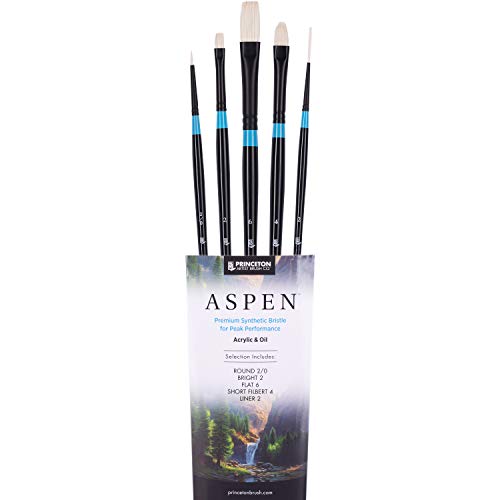
The choice of a high-quality synthetic brush significantly reduces the chance of uneven surfaces. These brushes have finer bristles that distribute paint smoothly across various textures, minimizing streaks and imperfections.
Preparation is key; I strongly recommend sanding the surface thoroughly before applying any coating. Use fine-grit sandpaper to create an even texture, which ensures that the paint adheres better and levels out more efficiently, resulting in a sleeker finish.
Avoiding excessive paint on the brush is equally important. Dip only the tip of the bristles into the product, allowing for better control and preventing drips that can lead to uneven finishes. It’s a good practice to offload excess paint onto the rim of the can before application.
Using a paint conditioner can also enhance the texture of the coating. It alters the viscosity, allowing for better flow and leveling during application. I highly recommend incorporating this step to achieve a more professional-looking outcome.


Finally, applying thin layers rather than a thick coat ensures that the application dries evenly. Patience pays off; multiple thin layers not only enhance the visual appeal but also increase the durability of the finish.
Choose the Right Tool Type for Your Project
Selecting the appropriate tool is critical. For smooth finishes, I recommend using a high-quality synthetic filament option, particularly for water-based coatings. These bristles hold paint well and provide a fine application.
Types of Tools
A foam applicator can be ideal for covering large, flat surfaces without visible texture. Alternatively, a natural bristle tool excels with oil-based finishes, delivering a softer touch. Choosing based on the medium used ensures optimal results.
Size Matters
<p-Choosing the right size is crucial. A smaller tool for intricate areas and a larger one for expansive surfaces minimizes overlap and enhances uniformity. I often keep several sizes on hand to efficiently manage different sections.
Select High-Quality Paint for a Smoother Finish
Opt for premium-grade coatings that contain a higher percentage of solids. This results in a denser, more uniform layer that levels out as it dries, minimizing imperfections. Alkyd and acrylic options typically offer better flow and leveling properties compared to lower-quality alternatives.
Consider Sheen Levels
Choose finishes with appropriate sheen for your task. Satin or semi-gloss sheens help to conceal surface flaws and enhance durability. Flat finishes may not withstand wear as effectively, making them less suitable for surfaces that require additional resilience.
Test Samples
Before committing to a large quantity, conduct a small test application. This can reveal how the chosen product interacts with the surface material and the environment, allowing you to make adjustments as necessary for optimal results.
Prepare the Furniture Surface Properly Before Painting
Begin with a meticulous cleaning of the piece to remove dirt, grease, and old finishes. Use a solution of warm water and mild dish soap, scrubbing gently with a cloth or sponge. Rinse thoroughly and let it dry completely.
Sanding for a Smooth Base
Next, sand the surface using fine-grit sandpaper (220 grit is recommended) to create a smooth texture. Focus on areas that may have imperfections. Here are key steps:
- Sand in the direction of the grain to avoid scratches.
- Ensure even pressure and avoid heavy-handed spots.
- Clean the surface again to remove dust after sanding.
Primer Application
Applying a primer can significantly enhance the final finish. Choose a primer suitable for the material. Follow these tips:
- Use a quality synthetic brush or roller for application.
- Apply one to two thin coats, allowing adequate drying time between applications.
- Lightly sand the primed surface after it has dried for a smoother feel before the final coat.
This prep work establishes a solid foundation for your project, ensuring a flawless appearance in the completed piece.
Apply a primer to promote even coverage
Utilizing a primer significantly enhances the overall finish of your project. My first step is to select a high-quality bonding primer compatible with the material at hand. This preparation ensures an even base and reduces the likelihood of paint soaking into the substrate.
Before application, I ensure the surface is clean and dry. I opt for a brush or roller specifically designed for the type of primer I’ve chosen. This aids in more uniform distribution across the surface. After applying the primer, I allow adequate drying time as specified by the manufacturer. This step is crucial; skipping it may lead to uneven results later on.
Next, I lightly sand the primed surface once it’s dry. This creates a smoother texture and promotes adhesion for the subsequent coats of paint. I use a fine-grit sandpaper for this task and wipe off any dust with a damp cloth.
Lastly, I recommend applying a second layer of primer if the surface appears uneven or if the original color shows through. This additional coat guarantees optimal coverage and contributes to a professional-looking finish.
| Step | Description |
|---|---|
| Select Primer | Choose a high-quality bonding primer suitable for the material. |
| Clean the Surface | Ensure the surface is free from dust and moisture. |
| Apply Primer | Use the appropriate tool for even distribution. |
| Drying Time | Follow the manufacturer’s recommendations for drying. |
| Sanding | Lightly sand once the primer is dry to improve smoothness. |
| Second Coat | Apply an additional layer if necessary to ensure full coverage. |
Use the Right Painting Technique to Minimize Streaks
To achieve a flawless finish, I rely on a zigzag or “W” pattern while applying the coating. This method allows for an even distribution of the liquid across the surface, preventing buildup and creating a smooth appearance.
Maintain Wet Edges
Keeping a wet edge during application is crucial. I make sure to overlap slightly with each stroke before the previous layer dries, which helps blend the sections seamlessly and diminishes the chances of unsightly lines.
Control the Amount of Material on the Tool
Using a moderate amount of product on the applicator is key. I dip the tool only about one-third of the way into the paint, allowing for better control. This prevents excess accumulation, which can lead to an uneven application.
Consider Using Paint Additives for Improved Flow
Adding flow additives to your paint can significantly enhance application and minimize imperfections. These additives help reduce the thickness of the paint, allowing it to spread more smoothly across surfaces.
Types of Additives
- Flow Thinners: These are designed to improve the viscosity of the paint, making it easier to apply. A few drops can make a noticeable difference.
- Leveling Agents: These help the paint settle evenly, reducing the appearance of texture and enabling a glass-like finish.
- Retarders: Slowing the drying time allows for better manipulation of the paint, especially in warmer conditions, preventing it from becoming tacky too quickly.
Application Tips
- Mix thoroughly: Ensure the additive is well integrated with the paint for uniform consistency.
- Experiment with ratios: Start with a small amount, gradually increasing as needed to achieve desired results.
- Test before use: Apply on a scrap piece to confirm the effect before proceeding with your main project.
Incorporating these additives into your workflow will enhance the finish and allow for a more professional appearance in the final product.
Work in Manageable Sections to Prevent Drying Issues
Divide the surface into smaller areas, ideally 2×2 feet, to keep a wet edge throughout the process. This allows for seamless blending without noticeable lines forming as the paint dries.
Start at one corner and methodically work your way across the section, applying even pressure on the applicator to promote uniform coverage. As I progress, I ensure each area is covered before moving to the next, preventing the existing coat from hardening.
Timing and Conditions
Pay attention to environmental factors such as temperature and humidity; lower temperatures and high humidity can significantly affect drying rates. On warmer days, I try to work more quickly to avoid hardening before the areas merge. If it’s too hot, consider adjusting the pace or utilizing a misting spray to keep the surface moist.
Stay Organized
Keeping all necessary tools and materials within reach aids in transitioning between sections swiftly. Having everything at hand allows for better time management and ensures that the paint remains workable.
This method enables a smoother finish with fewer interruptions, leading to an aesthetically pleasing result without unsightly lines or uneven surfaces.
Maintain a Wet Edge for a Flawless Finish
To achieve a seamless outcome, keeping a wet edge is crucial. This technique prevents paint from drying at the edges, which often leads to visible lines and inconsistencies. I recommend working with small sections, applying fresh paint adjacent to the wet areas while they are still workable. This method ensures that each stroke blends smoothly into the previously applied layers.
Timing Matters
Be aware of drying times indicated by the manufacturer. If the paint starts to feel tacky, it’s time to reapply in a new section. This can significantly reduce the risk of uneven surfaces and allows for better adhesion across all areas.
Tools and Technique
Using the proper tools can enhance the maintenance of a wet edge. Opt for high-quality rollers or foam brushes that hold more paint. Apply enough pressure as you move along to distribute the paint evenly, allowing for continuous flow without lifting the tools too high. Additionally, considerations like humidity and temperature play roles in drying times, so adjust your pace as necessary.
| Factor | Impact on Drying Time |
|---|---|
| Humidity | Higher moisture levels can slow drying time, extending the window for maintaining a wet edge. |
| Temperature | Warmer temperatures generally speed up drying, necessitating quicker application. |
| Airflow | Increased airflow can hasten evaporation; work accordingly to adapt to conditions. |
By staying mindful of these conditions and employing the wet edge technique, I consistently achieve a smooth, professional finish on all my projects.
Sand Between Coats for a Flawless Final Appearance
I always make it a point to lightly sand the surface between each layer for the smoothest finish. Using fine-grit sandpaper (about 220-grit) does wonders by helping to eliminate any imperfections that might have appeared during the drying process. This step not only prepares the surface for subsequent applications but also creates a better bond for the layers to adhere to each other.
Technique Matters
I opt for a gentle hand when sanding. I prefer to use a sanding block or a sanding sponge to maintain even pressure across the surface, which helps prevent creating any dips or flat spots. After lightly sanding, I ensure to wipe down the surface with a damp cloth to remove any dust or debris. This ensures that the next coat adheres properly without interference from particles that could ruin the look.
Timing is Key
<pTiming my sanding right is crucial. I wait until the previous coat has completely dried, but I still check that it feels slightly tacky before I begin sanding. This condition indicates that the paint is not completely cured, allowing me to achieve better adhesion for the next layer. Following this simple yet effective practice transforms the final results, giving furniture the professional finish it deserves.