
 Caleb Turner
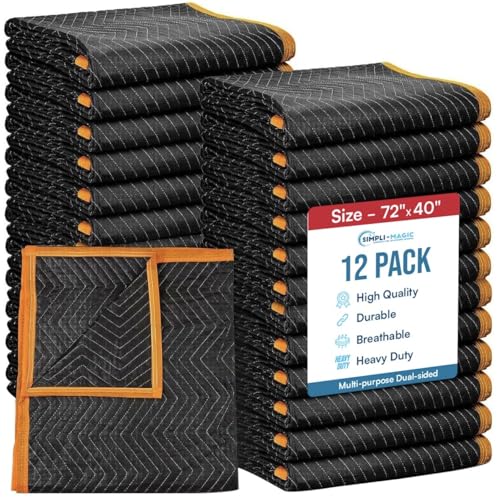
Place a protective pad under the legs of any large items. This simple step helps distribute weight evenly and prevents pressure points that can leave unwanted impressions on delicate surfaces.
Regularly rearranging your arrangement can also make a difference. By changing the layout or shifting pieces, I notice how this practice can reduce the likelihood of depressions forming over time.
Utilizing coasters or felts for smaller pieces can be surprisingly effective. When I use these soft supports, I find there’s less friction and stress transferred to the surface, which translates to a cleaner appearance in the long run.
Consider lighter alternatives for frequently moved furniture. Switching to options that are easier to handle minimizes the risk of causing indentations while providing versatility in my home setup.
Lastly, I make sure to clean and maintain the flooring type regularly. Regular vacuuming and gentle cleaning can keep it looking fresh, preventing long-lasting damage and reducing the visibility of any temporary markings.


Selecting the Right Carpets for Heavy Furniture
Opt for dense, tightly woven textiles like Berber or looped varieties. These types resist compression and wear, making them suitable for substantial pieces. Choose materials such as nylon or polypropylene, known for their durability and resilience.
Consider plump carpets with thicker piles, as they can better withstand pressure from heavy items without crushing. Avoid plush or shaggy options; while they may look appealing, they can easily become flattened over time.
Be mindful of the pile height; lower pile carpets tend to be more resilient against indentations. A height of around 0.3 to 0.5 inches is often an excellent choice for supporting weight.
Test the sample at home with similar pieces to ensure it holds up with your specific setups. Look for warranties or guarantees from manufacturers that cover wear and tear.
Lastly, consider color and pattern carefully. Dark shades and intricate patterns can help disguise minor imperfections and wear, extending the life of your floor covering.
Utilizing Furniture Pads and Coasters
Applying pads or coasters under heavier items can significantly reduce pressure on your flooring. Opt for felt or rubber pads, as these materials provide a buffer between the base of the item and the surface below. Felt pads glide smoothly, making it easier to reposition items when necessary.
Types of Pads
There are various types available, including self-adhesive, stick-on, and those with nails. Self-adhesive pads are convenient for quick installations, while nail-on styles offer extra durability for more permanent solutions. Choose the option that aligns with how often you plan to shift your arrangements.
Placement Tips
Ensure that every leg or point of contact has protection. For larger pieces like couches, place pads on all corners, as even distribution minimizes shadowing effects. Regularly check pads for wear and replace them as needed to maintain their protective qualities.
Arranging Pieces to Distribute Weight Evenly
Placing larger objects at strategic points can significantly help in balancing the load across the surface beneath. Consider positioning heavier elements, like sofas and armoires, against walls or on sturdy substrates. This keeps the weight centered and reduces localized pressure.
Incorporate variations in height and width when setting up your layout. By mixing taller and broader pieces with slimmer ones, I can create a more even distribution that lessens the stress on any single area. This approach aids in preventing impressions on the underlayer.
Additionally, grouping smaller items around larger ones creates a visual and physical balance. By ensuring that no single corner is overloaded, I mitigate potential damage and prolong the integrity of the flooring material. Using a grid or reference lines can assist in achieving an aesthetically pleasing and functional arrangement.
Regularly reassessing the layout as heavy items are added or moved is essential. Making adjustments ensures that pressure remains distributed rather than concentrated, which minimizes wear and tear over time.
Regularly Rotating Furniture Placement
I recommend changing the orientation of heavy items every six months. This simple practice helps to distribute weight more evenly, preventing indentations over time. By swapping the position or adjusting the angle of large pieces, I minimize the points of pressure on flooring.
Consider creating a schedule for rotation. Use a reminder on your phone or a calendar to prompt you at designated intervals. Keeping track of the last time you moved each piece allows you to maintain consistency.
In addition to changing locations, pairing this strategy with seasonal room redesign enhances aesthetics while protecting surfaces. Try out different layouts, and you may be surprised by how much a new arrangement can refresh your space.
Always take into consideration sunlight exposure and foot traffic when switching placements. Utilizing less frequented areas can further prevent unwanted impressions on delicate floors. Keeping track of all placements aids in achieving a harmonious balance in the environment.
By consistently implementing these adjustments, I reduce the likelihood of long-term damage, ultimately prolonging the life of my flooring.
Choosing Lightweight Furniture Options
Opt for materials like aluminum, bamboo, or modern plastics. These substances provide durability without excessive weight. Consider items such as slim-profile chairs and tables that are easy to move and rearrange.
Design Considerations
When selecting new seating or surfaces, focus on streamlined designs. Look for pieces that incorporate open frameworks to minimize mass. Search for modular options that can be customized according to your needs.
- Chairs with lightweight frames, such as those made from tubular metal.
- Tables crafted from composite materials or lightweight woods.
- Accent pieces like ottomans made from foam rather than solid wood.
Storage Solutions
Utilize multifunctional items. Ottomans that double as storage can be both practical and light. This approach not only supports a minimalist aesthetic but also keeps the area more organized.
- Consider collapsible or stackable stools for easy storage.
- Choose side tables that can be easily moved for entertaining or cleaning.
By making informed decisions in furniture selection, moving and maintaining a clean living space becomes far simpler.
Implementing Proper Carpet Cleaning Techniques
Utilize hot water extraction for effective deep cleaning. This method removes embedded dirt and allergens, enhancing the overall look and feel of your flooring. Regularly schedule deep cleaning at least once a year, or more frequently in high-traffic areas.
Daily Maintenance
- Vacuum regularly to capture surface debris and prevent it from settling in.
- Employ a vacuum with a rotating brush to lift dirt from the fibers.
Spot Treatments
- Address spills immediately with a clean, damp cloth to blot, not rub. Use a designated carpet cleaner for stubborn stains.
- Test any cleaning solution on a hidden area first to prevent discoloration.
Utilize a steam cleaner for periodic maintenance. This technique refreshes the material without damaging its structure. Follow up with a fan or open windows to ensure the area dries thoroughly to avoid mold or mildew growth.
Choosing the Right Products
- Select pH-balanced cleaners appropriate for the specific fibers.
- Avoid harsh chemicals that can compromise the integrity of the material.
Incorporating these practices into my cleaning routine ensures the longevity and appearance of my flooring while minimizing damage. Regular care makes a significant difference in maintaining its pristine condition.
Using Rug Underlays for Added Protection
Investing in a quality rug underlay can significantly mitigate damage caused by heavier items. These cushioning layers not only provide comfort but also serve as a barrier that protects the surface beneath from compression.
Types of Underlays
- Foam Padding: Offers good shock absorption and helps maintain the original texture of your flooring.
- Rubber Mats: Known for their durability and grip, they prevent slipping and shifting while providing cushioning.
- Felt Underlays: Ideal for insulating, they add a layer of protection and are particularly good for wood surfaces.
Installation Tips
- Cut the underlay slightly smaller than the dimensions of the rug to avoid visible edges.
- Ensure the surface is clean and dry before laying down the underlay for optimal adhesion.
- Secure the corners of the rug to the underlay to further reduce movement.
Regular checks of the underlay’s condition will ensure it continues to offer effective support and protection over time. Replacing worn or damaged mats contributes to the longevity of your flooring and furnishings.
Avoiding Direct Sunlight on Carpets
Utilizing blackout curtains or UV-filtering window films is an effective approach to minimize sun exposure. These solutions significantly reduce the intensity of sunlight hitting the flooring, preserving its color and preventing fading.
Regularly rearranging the placement of curtains or blinds ensures that different areas of the room receive varying amounts of light. This can help to balance out any potential damage caused by prolonged sunlight on specific sections.
Consider using area rugs or mats in high-exposure zones. These can act as barriers against direct light, protecting the primary surface while also enhancing the overall decor.
Implementing awnings or outdoor shading structures can provide additional protection for windows that let in excessive sunlight. This shields the interior while maintaining natural light in other areas.
| Method | Description |
|---|---|
| Blackout Curtains | Devices that block sunlight completely, reducing heat and fading. |
| UV-Filtering Films | Transparent films applied to glass, filtering harmful rays while allowing light. |
| Area Rugs | Textiles laid over main flooring to protect from exposure and add style. |
| Awnings | External shade structures that limit direct light entering through windows. |
Checking Furniture Legs for Damage and Wear
I regularly inspect the legs of my seating and tables to ensure they remain in good condition. Damaged or worn legs can cause uneven pressure on the flooring beneath, leading to unpleasant imprints. I look for cracks, chips, or any signs of bending that could compromise the support of the item.
It’s important to pay attention to the footings of each leg. Rubber or felt pad coverings can wear down and need replacement. If I notice that a pad is missing or significantly degraded, I replace it promptly with a suitable alternative.
| Leg Inspection Checklist | Action Required |
|---|---|
| Cracks or Splits | Replace or repair the leg |
| Worn Pads | Replace with new pads |
| Uneven Legs | Adjust height or stabilize |
| Rust or Corrosion (for metal legs) | Clean and treat with a protective coating |
Addressing these issues not only enhances stability but also protects the surface underneath. I make it a habit to conduct these checks periodically, especially after moving pieces around, to maintain the integrity of my flooring.


