Caleb Turner
Utilize the center of your area as a focal point. By positioning a coffee table or an eye-catching rug in the middle, I can create a gathering point for seating around it. This draws attention away from a lack of structures and gives the space a more intentional layout.
Consider multipurpose pieces, like ottomans or benches, that offer seating while being easy to move around. I find that using these can provide flexibility and allow for various configurations, adapting to different occasions or needs.
Incorporate floating or suspended shelves. These can hold decorative items or books without taking up floor area. I appreciate their ability to add personality to the environment while keeping the ground clear.
Arranging smaller items, like side tables or accent chairs, can also create a cohesive feel. These elements can be clustered to form cozy conversation areas, enhancing functionality without overwhelming the space.
Experimenting with different layouts is key. I often try out various orientations and placements to find the most pleasing visual appeal and practicality, focusing on pathways and flow throughout the area.

Optimal Layout for Exposed Areas
Consider a circular or oval configuration, which promotes interaction among guests. Center a coffee table, allowing seating to encompass it. This encourages conversation and creates a gathering point that draws attention away from the absence of boundaries.
Strategic Placement of Seating
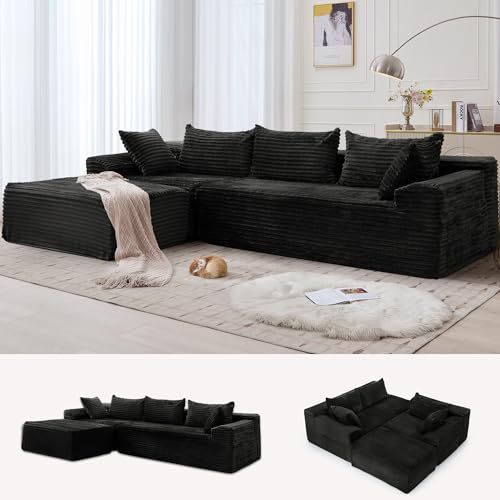
Utilize modular pieces that can be rearranged easily. Select sofas or chairs that can float in the center, creating pathways around them. This opens up the area while maintaining comfort. Additionally, adjustable ottomans can serve dual purposes as seating or tables, enhancing functionality.
Incorporating Auxiliary Elements
Integrate floor lamps or tall plants as natural dividers. These elements can define zones without fully enclosing them. Choose low-profile items to keep sight lines open. Art on easels or moveable carts can serve to add character while avoiding the need for fixed displays.
Employ rugs to demarcate specific areas, establishing visual boundaries without walls. Opt for larger rugs to create a cohesive look, allowing for seamless transitions between sections.
Choosing a Focal Point for Furniture Arrangement
Identify a striking element to draw attention within the space, such as a fireplace, a piece of art, or an entertainment center. This centerpiece will guide the positioning of seats and tables, creating an inviting atmosphere.
Place seating in a circular or semi-circular layout around the focal point to encourage conversation. Ensure that the distance between chairs is comfortable, allowing for easy communication while maintaining a sense of intimacy.
If a natural focal feature isn’t available, consider introducing one. A bold area rug can ground the arrangement and draw the eye. Alternatively, utilize a unique piece of furniture, like an oversized coffee table or striking lamp, to serve as the center of interest.
Adjust the size and style of elements around this chosen focal feature to enhance coherence. For instance, if the central piece is contemporary, ensure that surrounding items reflect a similar aesthetic to maintain harmony.
Awareness of traffic flow is crucial. Ensure that paths to entry points remain clear while providing a cohesive flow that connects the focal point with the other components.
Utilizing Multi-Functional Furniture Pieces
Incorporating versatile items provides solutions for maximizing usability in environments lacking traditional boundaries. Consider these options:
- Sofa Beds: Perfect for accommodating guests, a well-designed sofa bed transitions effortlessly from seating to sleeping space.
- Storage Ottomans: These serve dual purposes, providing both a place to rest your feet and hidden storage for blankets or games.
- Modular Units: Sections can be rearranged to suit various needs, creating personalized configurations for gatherings or solo time.
- Dining Tables with Extensions: Opt for a table that can expand, granting the flexibility to host larger gatherings or maintain a compact form.
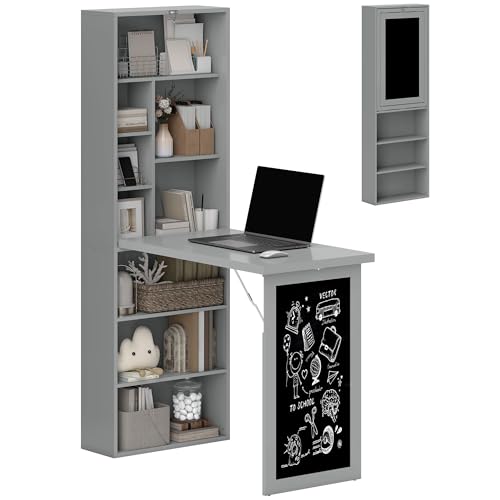
- Bookshelves with Integrated Desks: A piece combining shelving and workspace eliminates the need for separate desks, maintaining an open feel.
When selecting these items, prioritize functionality and aesthetic appeal. Look for styles that blend seamlessly with existing decor while providing the necessary purpose.
Investing in adaptive pieces enhances comfort and makes the space more inviting while avoiding clutter. Regularly reassess usage to ensure the items continue to meet evolving needs.
Defining Spaces with Area Rugs
Selecting the right area rug allows me to establish distinct zones throughout the area. Opt for rugs that fit snugly beneath key pieces, such as seating or coffee tables, to create a unified look.
Choosing the Right Size
Avoid small rugs that can make areas feel disjointed. Instead, I aim for larger options to encompass multiple pieces. Ideally, front legs of sofas and chairs should rest on the rug, enhancing cohesion.
Color and Texture Considerations
Bold patterns can provide a visual anchor, while neutral tones serve to complement existing elements. I often mix textures to enrich the tactile experience, combining woven and plush rugs for depth.
| Rug Size | Recommended Placement |
|---|---|
| 5×8 ft | Under coffee table, with seating around |
| 8×10 ft | Under all major furniture, defining the area |
| 9×12 ft | Ideal for larger sections or open concepts |
Layering rugs can also lend a creative touch, blending different patterns and materials. This can help delineate spaces and add interest while avoiding a minimalist approach that lacks warmth.
Creating Conversation Areas without Walls
Positioning seating to form distinct conversation areas enhances interaction. Choose a few comfortable chairs or a love seat and arrange them facing each other. A circular or oval layout encourages dialogue and intimacy.
- Utilize a central coffee table as a visual anchor. It gives guests a space to set drinks or magazines while reinforcing the grouping.
- Incorporate ottomans for flexibility. They can serve as extra seating or footrests, effortlessly fitting into various arrangements.
- Employ benches or large poufs if space permits. These pieces can adapt to the number of guests, maximizing utility.
- If possible, rotate chairs or couches slightly inward. This slight adjustment fosters a cozier atmosphere, making conversations more engaging.
Include side tables for convenience. These can support beverages or snacks, enhancing comfort during chats.
Plants or tall floor lamps can naturally separate different areas. Position them strategically to guide movement and create a sense of boundaries without using physical barriers.
Experiment with varying heights in your seating. Mixing low and high elements, such as stools or chaise lounges, can create dynamic visual interest while still maintaining a relaxed vibe.
Whenever possible, designate a corner or nook as a listening zone. A couple of armchairs angled toward a bookshelf or window can invite quiet conversation or reading.
Incorporating Lighting in Open Spaces
Utilize a combination of floor lamps and table lamps to enhance illumination in areas where traditional fixtures aren’t possible. Positioning these light sources at varying heights creates visual interest while providing both functional and ambient light.
Layering Light Sources
Create a warm atmosphere by layering light. Mix warm bulbs with cool tones to achieve flexibility in mood. Use dimmable options to adjust brightness according to time of day or activity, allowing for a personalized ambiance.
Strategically Placed Lighting
Focus on task-oriented lighting near seating or work areas. Consider using pendant lights or chandeliers hung low to draw the eye upward, making the environment feel more intentional. Wall sconces can also delineate areas without needing enclosed structures.
Optimizing Traffic Flow in the Living Area
Prioritize pathways by ensuring at least 24 inches of clearance for movement. This enables free access without obstructions, allowing people to navigate comfortably. Arrange seating in a way that directs foot traffic towards natural walkways. Avoid placing larger items like sofas or cabinets in high-traffic zones.
Consider Circular Arrangements
Utilize circular setups to create a smooth flow. A round coffee table surrounded by chairs or couches encourages interaction while maintaining easy access. This layout minimizes sharp edges that might disrupt movement.
Strategic Placement of Accessories
Use smaller pieces such as ottomans or side tables to create designated spots that don’t impede movement. Ensure that these items are lightweight, making them easy to shift when necessary. Framing areas with plants or decorative screens can visually guide traffic areas without physical barriers.
Regularly assess the layout as usage patterns can change over time. Be ready to adjust arrangements to continue facilitating smooth movement. Consider the placement of electrical outlets and other functional elements to further enhance the practical flow of the area.