
 Caleb Turner
I recommend positioning the bed along the longer wall to maximize open space. This layout creates a natural pathway and avoids a cramped feeling. Consider selecting a bed with built-in storage beneath to optimize every inch. A headboard attached to the wall can enhance the room’s visual height and provide additional design flair.
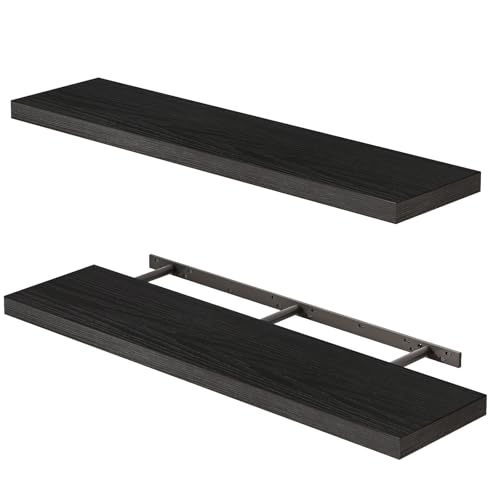
Select slim bedside tables that won’t overpower the area. Floating shelves can replace bulky cabinets, offering both functionality and a trendy aesthetic. When choosing lighting, wall-mounted fixtures or pendant lights free up precious surfaces while providing adequate illumination for reading or relaxing.


Use mirrors strategically to reflect light and create an illusion of spaciousness. A large mirror opposite a window can amplify natural light and enhance the overall ambiance. Keep the color palette light and airy; soft neutral tones on the walls can make the space feel larger and more inviting.
Incorporate multifunctional pieces whenever possible. An upholstered bench at the foot of the bed can serve as a seat and add an extra touch of comfort. Remember to maintain some clear space on the floor to avoid a congested look, allowing your cozy retreat to feel open and inviting.
Arranging Space Efficiently
Place the bed against the longest wall, allowing for balanced circulation. This positioning maximizes floor area and creates an inviting focal point.
Choose multifunctional pieces like a bench at the foot of the bed or a storage ottoman. These add practicality without crowding the layout.
Utilize vertical space with wall-mounted shelves. This approach draws the eye upward, making the room feel larger while providing storage for books and decor.
Consider a round nightstand instead of a bulky square one. Curved edges help in maneuvering around tight spaces while maintaining style.
Incorporate mirrors to enhance light and give a sense of depth. A large mirror opposite a window can amplify natural illumination.
Keep color schemes light and neutral. This choice visually expands the area and creates an airy ambiance. Accents can be added through bedding or art.
Opt for sliding doors for closets when possible. This saves space otherwise lost to door swings, creating a seamless and functional opening.
Limit décor to a few key pieces. A clutter-free environment helps maintain a sense of openness, making the room feel more spacious.
Place a rug under the bed, extending beyond its edges. This grounds the space, adding warmth without overwhelming the dimensions.
Lastly, avoid overfilling the area with heavy items. Keeping design elements lightweight fosters a sense of tranquility and balance.
Measure Your Space Before Arranging
Take accurate measurements of your area before anything else. Knowing the dimensions of walls and existing structures helps in making informed decisions.
Use a tape measure for precise measurements, and jot down the width and length of walls, as well as the height of furniture pieces you plan to include. Here’s a simple table to help organize your measurements:
| Item | Width (inches) | Length (inches) | Height (inches) |
|---|---|---|---|
| Bed | 60 | 80 | 24 |
| Nightstand | 20 | 20 | 24 |
| Dresser | 40 | 18 | 36 |
After collecting this data, sketch a basic floor plan. Include doorways and window placements. This visual will be essential in preventing blockages while facilitating movement around the space.
Consider the flow and accessibility of the layout. Ensure that there is enough space between pieces for movement, ideally allowing a minimum of 24 inches for pathways. Adjust your plan based on the measurements, as functionality may vary greatly.
Choose Multi-Functional Furniture
I prioritize pieces that serve multiple purposes to maximize my living space. A bed with built-in drawers allows for additional storage, keeping essentials out of sight and organized. For seating, I opt for a bench that offers both function and style; it can be used for relaxation, while also providing hidden storage inside.
A collapsible desk can double as a nightstand, providing a workspace that folds away when not needed. This versatility creates an uncluttered appearance and frees up valuable floor area. I also look for ottomans that serve as seating and storage, perfect for stashing away blankets or books.
Choosing wall-mounted shelves instead of bulky cabinets gives me vertical storage without taking up ground space. I stay mindful of the dimension of each piece, ensuring that everything aligns with the scale of the room. By integrating such items, I can enhance functionality without sacrificing style or comfort.
In my quest for efficiency, I consider modular units that can be rearranged as needed. This adaptability allows my room to evolve with my needs over time. I always remember that making smart selections contributes to a more comfortable and organized environment.
Utilize Vertical Space for Storage
Install wall-mounted shelves to capitalize on upper areas for books, decor, or personal items, keeping floor space clear. Floating shelves provide a modern touch while offering a practical solution.
Best Practices for Vertical Storage
- Choose adjustable shelving units to customize height according to needs.
- Incorporate tall bookshelves that reach toward the ceiling, making use of every inch.
- Use hooks and pegboards for hanging accessories, bags, or clothing, maximizing wall areas.
- Consider over-the-door organizers for additional space without sacrificing walking room.
Creative Ideas for Vertical Solutions
- Utilize a vertical shoe rack placed near the entrance for easy access.
- Incorporate a ladder shelf for plants or decorative objects, adding a unique aesthetic element.
- Install corner shelving to utilize often-overlooked spaces, adding storage without crowding.
By focusing on vertical solutions, I can create an organized and visually appealing environment that enhances functionality without the need for excessive horizontal space.
Position the Bed for Optimal Flow
Place the bed in a corner or against the longest wall to maximize walking space. Ensure at least 24 inches of clearance around three sides to facilitate easy movement.
If possible, position the headboard against a solid wall for support and stability, creating a sense of security. Avoid placing the bed directly facing the entrance to enhance privacy and reduce distractions.
Consider the flow of natural light; placing the head of the bed away from windows can reduce glare during the day. If windows are present, use light, airy fabrics for window treatments to maintain an open atmosphere.
Assess the door swings. The bed should not block entry points or pathways, as this can disrupt the overall balance of the space. Keep pathways clear to ensure quick access to essential areas.
Incorporate side tables that can double as storage to maintain functionality without crowding the space. This allows easy access to items while keeping the aesthetic minimalist.
Positioning the bed thoughtfully not only enhances the practical use of the area but also contributes significantly to the overall ambiance and comfort of the setting.
Incorporate Mirrors to Create Depth
Using mirrors strategically can significantly enhance the perception of space in a tight area. Place a large mirror on a wall opposite a window to reflect natural light, thus brightening the space and giving it an illusion of being larger. This setup will not only make the room feel more open but also add elegance.
Choose Locations Wisely
Install smaller mirrors on side walls or above dressers to create layers of reflection. The placement should complement existing light sources and view lines. A mirrored dresser or nightstand can also introduce reflective surfaces without overwhelming the room.
Use Decorative Mirrors
Incorporate uniquely shaped or framed mirrors as decorative elements. This adds personality while maintaining functionality. Opt for designs that resonate with the overall style of the space, ensuring they contribute cohesively to the overall aesthetic.
Select a Cohesive Color Palette
Opt for a limited color scheme of two to three complementary shades to create a unified look. Soft, neutral tones like beige, gray, or pastels work well to visually expand the space. I often choose a light base color for the walls, which reflects light and makes the area feel larger.
Incorporate accents through accessories such as pillows, throws, or art. Choosing the same color family for these elements will harmonize the look, providing a seamless flow. For instance, pairing a muted blue with white can add serenity without overwhelming the senses.
Don’t forget about texture; using various materials, such as a velvet throw or a woven rug, adds depth to the design while remaining color-consistent. This attention to detail enhances the overall atmosphere without cluttering the space visually.
For a striking focal point, consider a bold piece of art or a decorative item that contrasts slightly with the palette, drawing the eye without detracting from the cohesive theme.
A carefully selected color palette not only influences the mood but also aids in achieving a harmonious and inviting environment in confined quarters.


