
 Caleb Turner

Consider defining distinct zones to enhance functionality and flow. For instance, create a cozy seating area with sofas and accent chairs to encourage conversation, positioning them around a central coffee table. This layout fosters interaction while maintaining an inviting atmosphere.
Incorporate multi-purpose elements, such as an ottoman that can serve as both a footrest and extra seating. Utilize rugs to delineate different sections, adding warmth and character. Choose materials and colors that complement the overall aesthetic, ensuring cohesiveness throughout the expansive space.
Pay attention to scale and proportion. Select larger pieces that stand up to the spaciousness without overwhelming it. Opt for furniture with legs to keep the area feeling airy. Avoid pushing everything against the walls; instead, allow for circulation space in the middle of the setting for smooth movement.
Utilize vertical space effectively. Shelves or tall plants can draw the eye upward, creating an illusion of height. Strategic lighting can highlight certain areas, adding depth and dimension to your design.
Finally, incorporate personal touches through accessories and art. This not only enhances the character of your living area but also ensures that it feels uniquely yours.

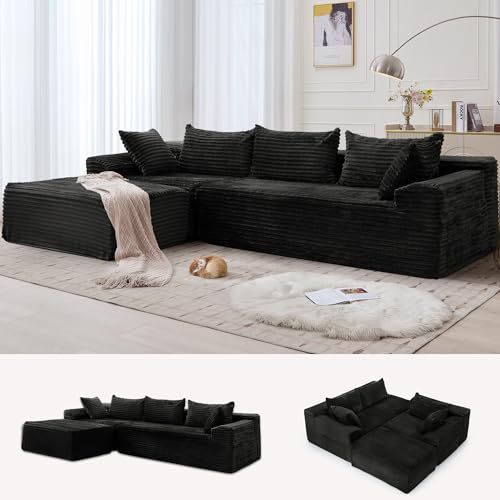

Placement Strategies for an Expansive Living Space
Define distinct areas within the expansive area to promote functionality. For instance, I create a cozy conversation nook by positioning a pair of armchairs and a small side table near a window. This spot becomes an intimate space for gatherings.
Utilize area rugs to visually separate different sections. A large rug under the seating area anchors the space, while another can define a dining area or game corner. This tactic enhances the flow and makes each zone feel purposeful.
Consider traffic patterns. Ensure that pathways between seating arrangements are unobstructed by placing larger items like sofas and entertainment units against walls. This approach enhances accessibility and prevents a congested feel.
Balance is key; I place larger pieces opposite each other, such as a sofa across from a media console. This symmetry fosters a sense of cohesion, making the space feel well-organized.
Mix heights in your design. I incorporate tall bookshelves alongside lower coffee tables to create visual interest. This variation prevents the space from looking flat and monotonous.
Incorporate multifunctional pieces. I prefer ottomans that serve as both seating and storage. This not only maximizes utility but also minimizes clutter in an expansive environment.
Incorporate natural light by placing furniture strategically away from windows. This allows sunlight to illuminate the area, enhancing the atmosphere and making it feel more inviting.
Lastly, personalize the space with decor and accessories that reflect your style. Adding artwork, plants, or personal mementos helps transform the vast area into a warm and inviting setting.
Identifying Functional Zones in Your Great Room
Begin by envisioning designated areas that cater to distinct activities. Assess the available space and visualize where each functional zone will be placed. Consider creating a relaxation area with comfortable seating, a reading nook, or a media zone equipped with entertainment options.
Separation Techniques
Utilize rugs to define diverse sections within the environment. A large area rug can anchor a seating arrangement, while smaller mats can delineate specific tasks like a workspace or play area. This visual separation creates a sense of organization and flow.
Furniture Placement
Position larger pieces, such as sofas or armchairs, to face one another to foster conversation. Utilize side tables to support functionality and convenience. For a homework or craft zone, ensure adequate lighting and surfaces that suit the planned activities. Keep pathways clear to enhance movement and accessibility throughout each defined area.
Choosing the Right Furniture Scale and Style
Select pieces that harmonize with the proportions of the environment. Oversized sofas might drown in excessive space, while too-small chairs could feel lost. Consider the following table to find a balance between dimensions and visual impact:
| Furniture Type | Recommended Scale for Spacious Settings | Style Suggestions |
|---|---|---|
| Sofas | At least 84 inches wide | L-shaped or sectional designs |
| Coffee Tables | 36-48 inches in diameter or 48-60 inches long | Glass or wooden surfaces for lightness |
| Chairs | Wider seating with substantial backing | Custom upholstered or lounge chairs |
| Accent Tables | Height aligns with armrests (24-28 inches) | Unique shapes or materials to enhance decor |
Style Considerations
Match aesthetics to personal taste and existing décor. For modern vibes, opt for clean lines and neutral tones; for cozy feels, select inviting fabrics and warmth in colors. Items with similar finishes create a cohesive vibe, leading to a more pleasing visual experience.
Maintaining Flow
Ensure pathways are clear and that selected items do not block view lines. Balance heavy pieces with lighter accents, allowing for a sense of movement and airiness in the overall design. By choosing thoughtfully, the space transforms into an inviting and functional area.
Arranging Seating for Conversation and Comfort
Position seating in a way that promotes dialogue. A circular or U-shaped setup encourages interaction, making it easy for participants to engage with one another. This layout minimizes any physical barriers, such as the back of a sofa, that could obstruct conversation.
Key Configurations
- Place sofas and chairs to face each other, maintaining a distance of about 4 to 10 feet for comfort.
- Include accent chairs or ottomans to allow flexibility in seating, providing options for guests to adjust their positions.
- Keep pathways clear by ensuring there is at least 2 feet of space between different seating arrangements.
Comfort Factors
- Choose upholstery that invites relaxation; soft fabrics and ample cushions enhance the experience.
- Incorporate side tables for drinks or snacks within easy reach of seats, promoting a laid-back atmosphere.
- Add throws and pillows to enhance both comfort and aesthetics, making the area feel more inviting.
Finally, include lighting solutions such as floor lamps or table lamps to create a warm ambiance, further encouraging guests to engage in conversation and feel at ease in the space.
Incorporating Storage Solutions for Organization
Utilizing multi-functional pieces can significantly enhance storage while keeping the space uncluttered. Consider a sturdy coffee table that features built-in shelves or hidden compartments for magazines, remotes, or blankets. These items can serve dual purposes without sacrificing aesthetics.
Vertical storage is another key strategy. I’ve found that tall bookshelves or wall-mounted cabinets create a striking visual element while providing ample room for books, decor, and personal items. Arranging these along a less-trafficked wall ensures they remain accessible yet unobtrusive.
Underutilized corners make excellent spots for corner shelving units. This clever use of space brings organization to items that might otherwise remain scattered throughout. By filling these with decorative boxes or baskets, I create a unified look while stashing away smaller items that tend to clutter surfaces.
Incorporating ottomans with storage can be a practical way to enhance seating. I often opt for soft-top designs that open up, providing a cozy place to rest my feet while offering hidden storage for items like board games or seasonal throw pillows.
Finally, integrating cabinetry with pull-out drawers can transform walls into functional areas. They provide easy access to items while keeping everything neatly stored behind closed doors. In my experience, opting for cabinetry that blends with the color scheme enhances the overall flow and harmony of the space.
Using Area Rugs to Define Spaces
To create distinct areas in a spacious environment, I recommend utilizing area rugs strategically. A large rug can anchor seating arrangements, making conversation zones cozier. For versatility, layering smaller rugs or adding different textures helps differentiate functional areas, such as play zones versus relaxation spots.
Selecting Rug Sizes
When choosing rug sizes, aim for dimensions that allow front legs of seating pieces to rest on the fabric. This practice visually connects furnishings, promoting a unified feel. In expansive settings, larger rugs can further enhance the sense of space without feeling overwhelming. Consider placing at least one rug under a coffee table to tie together the seating area.
<h3.Color and Pattern Considerations
Opt for colors and patterns that either complement or contrast with existing decor. A bold, patterned rug can serve as a focal point, drawing the eye and adding dynamism. Alternatively, a neutral rug can provide balance, allowing other elements to shine. Incorporating rugs with similar tones across different areas can create a cohesive look, while varying textures can add depth and interest.
Enhancing Traffic Flow with Furniture Placement
To optimize movement and accessibility, prioritize the arrangement of key pieces to facilitate a seamless pathway throughout the space. Start by mapping out essential routes that allow for natural circulation among distinct areas.
- Ensure main walkways are at least 36 inches wide, avoiding obstacles that may hinder movement.
- Position seating clusters to encourage conversation while maintaining open paths. A U-shape or L-shape can effectively promote interaction without blocking passageways.
- Consider the placement of tables or accents; keep them three feet from seating to allow for comfortable navigation.
Utilize larger, more substantial items as anchors, creating focal points that define flow. Dividing the space into functional sections, such as lounging or dining zones, helps in maintaining clarity in movement.
- Incorporate low-profile items in transitional areas to minimize visual blockage and ensure transparency in sightlines.
- Adjust sectional configurations to create inviting nooks, but watch for too many constricted spaces, which can disrupt traffic.
Avoid overcrowding by sticking to essential pieces that serve dual purposes, further contributing to both aesthetics and accessibility. This synergistic approach enhances the spatial experience while improving traffic efficiency.
Efforts made to balance both aesthetics and functionality will not only improve flow but also contribute to the overall comfort of the space.
Balancing Aesthetics with Practicality in Design
I recommend focusing on a harmonious blend of visual appeal and functionality. Start with a color palette that complements your design preferences while ensuring the hues promote a welcoming ambiance. Neutral tones can provide a versatile backdrop, while accent colors can be introduced through decorative elements.
Textures and Materials
Selecting a mix of textures can enrich the sensory experience. Incorporate soft fabrics for seating and warmer materials like wood or metal for tables. This variety not only enhances aesthetic quality but also offers durability and ease of maintenance necessary for day-to-day use.
Lighting Considerations
Effective lighting is integral to both beauty and functionality. Utilize a combination of natural light, ambient fixtures, and task lighting. Position floor lamps and wall sconces strategically to avoid glare while illuminating conversation areas. This approach creates an inviting atmosphere essential for gatherings or relaxation.


