
 Caleb Turner

To begin this transformation, I carefully select a hue that complements the existing color. A rich walnut or a deep mahogany can add that sought-after aged effect. Preparing the surface is paramount; I lightly sand the piece to ensure proper adhesion and remove any gloss from the paint. A clean, dust-free surface sets the stage for a seamless finish.
Once prepped, applying a stain becomes my next focus. I utilize a soft cloth or a brush for even distribution, working in manageable sections. It’s crucial to wipe away any excess promptly, allowing just enough to cling to the crevices and contours for depth. This technique creates a layered appearance that mimics years of gentle wear.
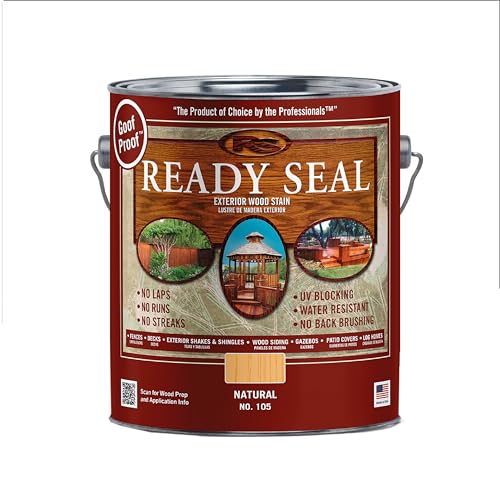


After the initial coat dries, I often assess the finish. If the depth isn’t quite there, a second application can deepen the tone without overwhelming the original paint. To seal and protect my work, I apply a clear topcoat. This step not only enhances the overall aesthetic but also ensures durability, making my unique creation stand the test of time.
Applying a Distressed Finish
Begin by sanding the surface lightly to remove any gloss, which helps the next layers adhere better. Use a 220-grit sandpaper for this process.
Choosing the Right Product
Select a gel or oil-based product that enhances the underlying hues. Darker shades often work well to create a rich, aged appearance.
Applying the Product
With a clean cloth or brush, apply the medium evenly, working in sections. Allow it to penetrate for a few minutes before wiping off the excess; adjust the amount to achieve the desired depth.
Creating Depth
To achieve a more complex look, consider layering different shades. Start with a base color and apply a contrasting hue after it dries for subtle highlights.
Finishing Touches
Once satisfied with the result, seal the finish using a clear coat. A matte or satin finish can accentuate the vintage vibe while protecting the surface.
Selecting the Right Type of Stain for Your Furniture
For successful aging, I prefer using oil-based or gel types, as they provide deeper penetration and longer-lasting results. Water-based options dry quickly but might require multiple applications for a similar effect.
Consider Your Wood Type
Knowing the material I’m working with helps me choose the best product:
- Pine: Lighter stains typically enhance its natural color.
- Oak: Rich, darker shades emphasize the grain.
- Maple: I lean towards medium tones to avoid overpowering its subtle features.
Testing Before Application
I always conduct a test on an inconspicuous area. This step reveals how the finish interacts with the existing paint and allows me to adjust my approach if necessary.
Remember, the right choice of finish can significantly influence the final appearance of the restoration. A well-selected product not only enhances aesthetics but also ensures durability over time.
Preparing Your Painted Furniture for Antiquing
Clean the surface thoroughly using a mild detergent mixed with water. This removes dust and oils, allowing the new finish to adhere properly. A damp cloth followed by a dry one can ensure no moisture lingers.
Inspection and Repair
Examine for any imperfections such as scratches or dents. Filling these with wood filler or putty will create a smooth base. After it dries, sand the area lightly to blend it with the surrounding surface.
Consider the Base Coat
If the previous layer is glossy, roughen the surface slightly using fine-grit sandpaper. This will promote better adhesion. After sanding, wipe down the piece again to eliminate any dust particles before proceeding.
Applying the Stain: Techniques and Tips
First, use a clean, lint-free cloth for application. Dampen it slightly with the stain so it glides smoothly across the surface. This prevents streaks and ensures even coverage.
Work in small sections, about two feet at a time. Apply the product generously, allowing it to penetrate the surface. After a few minutes, wipe away any excess using a clean section of the cloth. This not only enriches the finish but also avoids overly dark patches.
For a more textured look, consider using a brush or a foam applicator to apply the liquid. A brush can help you get into crevices, enhancing the appearance of details. For larger, flat areas, a foam applicator works well and can reduce the risk of brush marks.
Experiment with layering. Start with a lighter coat, then gradually build up by adding more product. This method allows for control over the depth of color and can create a more natural, aged effect.
Be mindful of dry time. Depending on the product, waiting overnight before applying a topcoat can yield the best results. This allows the mixture to fully cure and adhere properly to the underlying layer.
Finally, consider using a sealant once satisfied with the look. A matte finish can enhance the vintage aesthetic while providing protection from wear and moisture. Apply it sparingly with a clean cloth or spray for a consistent finish.
Creating a Weathered Look with Distressing Methods
I recommend using a combination of techniques to achieve an authentic weathered appearance. Start by sanding the corners and edges of the piece; this simulates natural wear over time. A random orbit sander or sandpaper in varying grits works well for this purpose. Focus on areas where one might expect natural contact, like the edges of drawers or surfaces that get frequent use.
Using a Chisel or Knife for Detail
For a more intricate look, I utilize a chisel or utility knife to create small dents and divots. This irregularity enhances realism. Be careful not to overdo it; subtle damage looks more believable than excessive gouges. A gentle touch helps maintain the integrity of the surface.
Wax and Paint Layering
Applying a wax finish can enrich the depth of color while adding a soft sheen. I often use a darker wax over a lighter paint base, letting some of the lighter color show through in the distressed areas. This layering provides a beautiful contrast that mimics the effects of exposure to the elements.
After waxing, a light buffing with a soft cloth yields a rich patina. For a targeted approach, I recommend applying the wax in sections, focusing more on crevices and raised areas. This method promotes an organic feel, reminiscent of aged, seasoned wood.
Experimentation is key. Test various methods on scrap wood to see which combination achieves the desired aesthetic. Each piece will respond differently, so adapting techniques will yield the best results.
Sealing and Finishing for Long-lasting Results
I prioritize using a clear polyurethane or water-based topcoat to protect my work. This ensures durability and enhances the appearance of the underlying layers. A satin finish works best for a natural look while adding a subtle sheen.
Follow these steps for optimum results:
- Choose the Right Product: Select a clear sealer compatible with the stain used previously. Oil-based products offer deep protection, whereas water-based options dry faster and have less odor.
- Application: I apply the finish using a high-quality synthetic brush or foam applicator. Smooth, even strokes prevent bubbles and streaks.
- Multiple Coats: I prefer to apply at least two to three thin layers of finish, allowing proper drying time between each. This builds resilience against wear.
- Sanding: Lightly sand the surface after the first coat dries using fine-grit sandpaper. This creates a better bond for subsequent layers and eliminates any imperfections.
- Curing Time: I let the final coat cure fully, often up to a week, before heavy use. This allots time for chemical reactions to complete, ensuring longevity.
By combining the right sealing techniques and finishes, I ensure my projects withstand the test of time while maintaining their aesthetic appeal.
Choosing the Best Colors to Achieve an Antique Finish
For a convincing aged appearance, focus on muted and earthy tones. I recommend shades like cream, soft gray, or sage green. These colors tend to replicate the look of timeworn pieces. Richer hues, such as deep blue or burgundy, can also create a stunning effect but should be paired with lighter accents.
Consider the base color’s undertones. For example, if you choose a warm beige, enhance it with a chocolate brown for depth. Conversely, a cooler base might pair well with a charcoal or steel blue. I find that contrasting undertones can add sophistication and complexity.
Experiment with layers. A base coat of a lighter hue topped with a slightly darker tone can produce a beautiful dimension. After you achieve the desired look, a sanding technique can help reveal the base color around edges, enhancing the vintage feel.
Test your hues in small areas before committing. It’s essential to observe how colors interact under different lighting conditions. The final result can dramatically change based on room exposure, so examine the potential outcomes in various settings.
Finally, don’t shy away from mixing custom shades. Creating your own blend can give a unique quality to each piece. Always document your mixtures for consistency, especially if you plan to replicate the finish on multiple items.
Common Mistakes to Avoid When Antiquing Furniture
Overlooking surface preparation leads to uneven application and disappointing results. Always clean and lightly sand the piece to ensure proper adhesion of the applying materials.
Applying the wrong type or color of product can ruin the intended effect. Test various options on a small patch before proceeding with the entire item.
Skipping a protective finish is a frequent error. This step helps maintain the visual appeal and durability of the surface, preventing wear and tear over time.
Being too heavy-handed during application is another common flaw. A light touch yields better results, allowing the base layers to show through for a more authentic appearance.
Neglecting to plan the distressing process can disrupt the aesthetic. Have a clear idea of which areas to focus on before you begin to ensure a consistent look.
Rushing through the drying process often results in smudges or streaks. Allow each layer to dry completely before adding another for a flawless finish.
| Mistake | Consequence | Tip |
|---|---|---|
| Overlooking surface preparation | Uneven application | Clean and sand thoroughly |
| Using the wrong products | Unsatisfactory results | Test on a small area first |
| Skipping the protective finish | Reduced durability | Always seal after finishing |
| Heavy-handed application | Loss of detail | Apply lighter layers |
| Poor planning of distressing | Inconsistent look | Plan distressing areas in advance |
| Rushing drying time | Smudges and streaks | Be patient; allow full drying |


